Iran Slams G7 for ‘One-Sided’ Support of Israel
“The G7 must give up its one-sided rhetoric and tackle the real source of the escalation — Israel’s aggression,” Iranian foreign ministry spokesman Esmaeil Baqaei said in a statement.
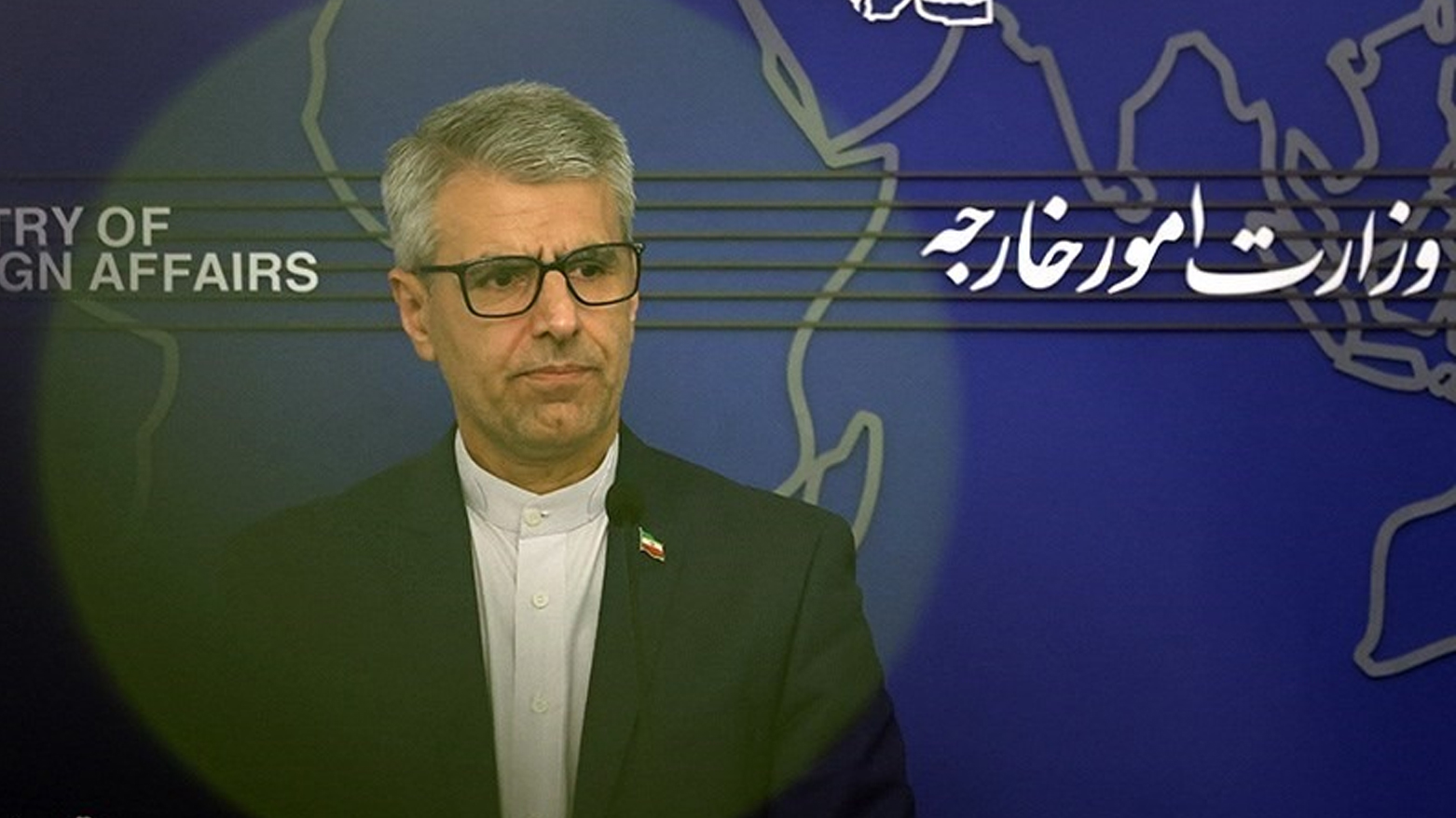
ERBIL (Kurdistan24) — Iran on Tuesday sharply criticized the Group of Seven (G7) nations for what it described as biased rhetoric in favor of Israel, as the intensifying conflict between the two countries entered its fifth day, according to AFP.
“The G7 must give up its one-sided rhetoric and tackle the real source of the escalation — Israel’s aggression,” Iranian foreign ministry spokesman Esmaeil Baqaei said in a statement.
Baqaei accused Israel of launching “an unprovoked war of aggression against Iran,” claiming the military campaign violated international law and the UN Charter. “Hundreds of innocent people have been killed, our public and state facilities and people’s homes are brutally demolished,” he added.
“Iran is defending itself against a cruel aggression. Does Iran really have any other choice?” the spokesman asked, defending Tehran’s retaliatory strikes.
The criticism comes in response to a statement issued by G7 leaders during their summit in Canada on Monday, where U.S. President Donald Trump and other heads of state urged both sides to de-escalate. While calling for calm, the G7 leaders underscored their support for Israel’s right to defend itself.
“We affirm that Israel has a right to defend itself. We reiterate our support for the security of Israel,” read the G7 communiqué. The statement went further to label Iran “the principal source of regional instability and terror,” and reiterated that “Iran can never have a nuclear weapon.”
While the G7 stressed their commitment to “peace and stability” in the Middle East, Tehran denounced the statement as an endorsement of Israeli aggression and dismissed the characterization of Iran as the primary destabilizing force in the region.
As diplomatic tensions flare, on-the-ground violence between the two adversaries has continued to escalate with daily airstrikes, missile salvos, and rising civilian casualties on both sides, sparking global concern over the potential for a broader regional war.