Israeli Strikes Destroy Monitored Iran Nuclear Facilities, UN Confirms
The IAEA has information that two centrifuge production facilities in Iran, the TESA Karaj workshop and the Tehran Research Center, were hit.
ERBIL (Kurdistan24) — Israeli airstrikes destroyed two key nuclear-related facilities near Tehran on Wednesday, a strike confirmed by the UN nuclear watchdog. According to the International Atomic Energy Agency (IAEA), the destroyed sites — the TESA Karaj workshop and the Tehran Research Center — had both been under international monitoring as part of the 2015 nuclear deal, formally known as the Joint Comprehensive Plan of Action (JCPOA).
“The IAEA has information that two centrifuge production facilities in Iran, the TESA Karaj workshop and the Tehran Research Center, were hit. Both sites were previously under IAEA monitoring and verification as part of the JCPOA,” the agency confirmed in a post on X.
The Tehran Research Center was reportedly producing advanced centrifuge rotors, critical components in uranium enrichment processes, while the Karaj facility housed multiple buildings manufacturing other centrifuge parts.
The IAEA noted that “one building was hit where advanced centrifuge rotors were manufactured and tested” in Tehran, and “two buildings were destroyed” at the Karaj site.
At the Tehran site, one building was hit where advanced centrifuge rotors were manufactured and tested. At Karaj, two buildings were destroyed where different centrifuge components were manufactured.
— IAEA - International Atomic Energy Agency ⚛️ (@iaeaorg) June 18, 2025
Centrifuges are essential in the enrichment of uranium — a process that, when highly refined, can provide fissile material suitable for nuclear weapons.
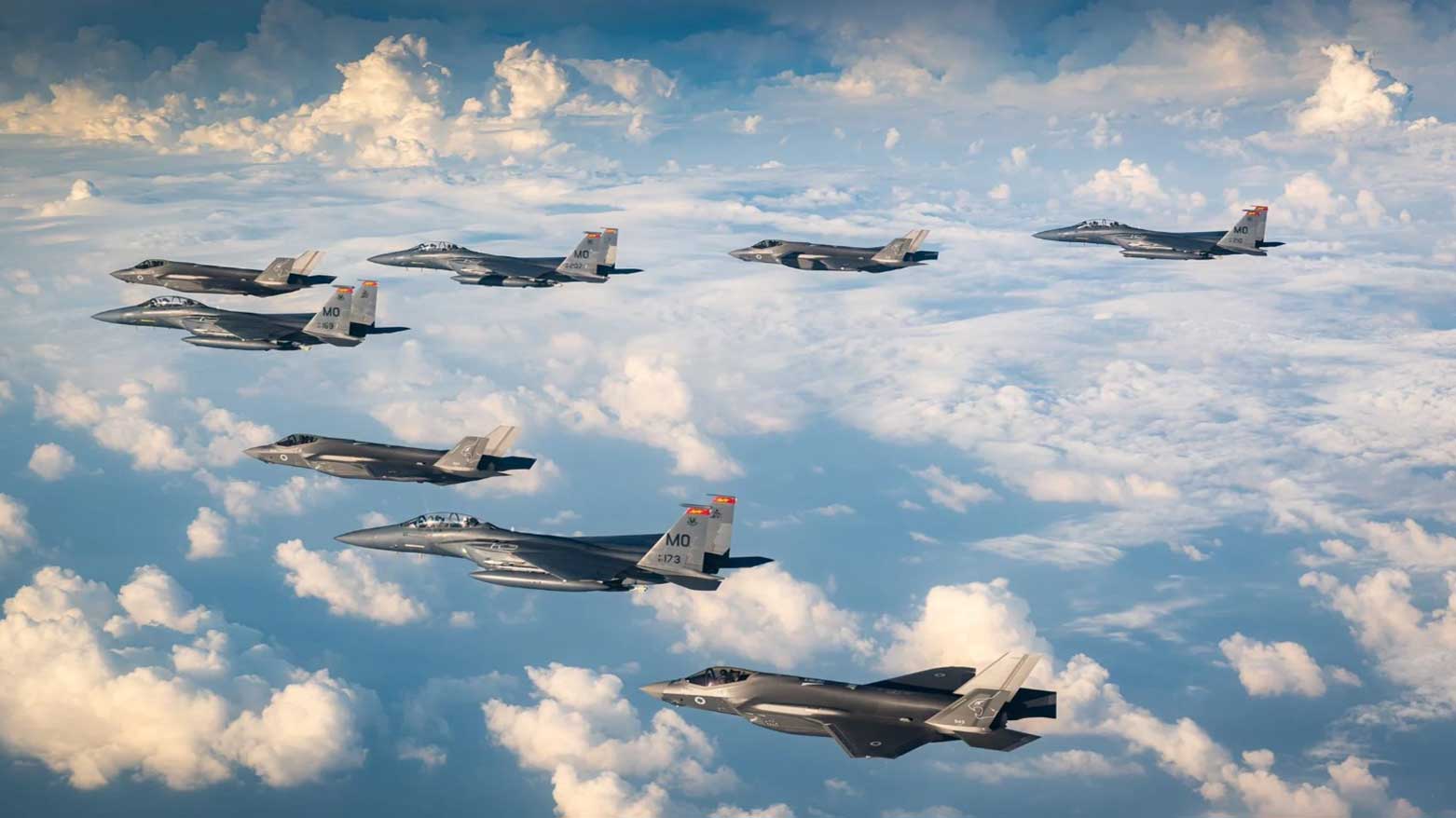
The Israeli military, in a statement, confirmed that more than 50 Israeli Air Force fighter jets were involved in the operation. It described the strikes as part of a “broad effort to disrupt Iran’s nuclear weapons development program.”
“As part of the broad effort to disrupt Iran's nuclear weapons development program, a centrifuge production facility in Tehran was targeted,” the military added.
In response, Iran said it fired a volley of hypersonic missiles at Israel. These projectiles, capable of traveling at more than five times the speed of sound and maneuvering mid-flight, are considered difficult to intercept and represent a significant escalation in Iran’s retaliatory capabilities.
The exchange comes amid heightened regional tensions, with civilian populations in both countries bearing the brunt of the conflict. Israeli warnings had urged residents of one district in Tehran to evacuate before the strikes, though casualties from Wednesday’s attacks have not been independently confirmed.
The IAEA’s confirmation of the destruction of monitored nuclear sites also raises questions about future oversight capabilities in Iran and the potential for unmonitored advancement of its enrichment program.
Kurdistan24 English will continue to provide instant coverage and up-to-date news on developments in the ongoing conflict between Israel and Iran. Keep an eye on Kurdistan24 English's website and social media platforms for the latest updates.