After U.S. Strikes Iran’s Nuclear Sites, World Watches for Retaliation
As the dust settles from the latest round of strikes, the world watches anxiously for Iran’s next move. With diplomatic overtures clashing against threats of escalation, the region stands at a crossroads.
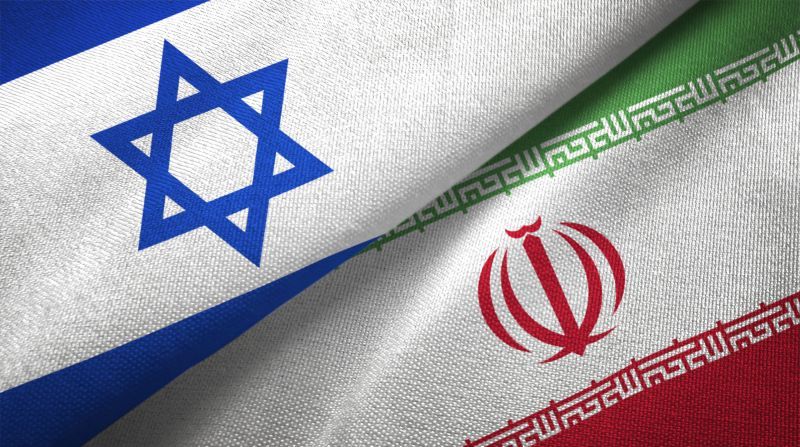
ERBIL (Kurdistan24) — The U.S. strike on three of Iran’s nuclear sites using long-range missiles and 30,000-pound bunker-buster bombs has raised urgent concerns over the current state of Tehran’s nuclear program and how the Iranian military—already weakened by years of sanctions and attrition—may choose to respond. Global oil prices climbed in response to the developments, signaling market anxiety, according to AP.
Tehran sharply condemned the U.S. move, accusing Washington of crossing “a very big red line” and warned of consequences. President Donald Trump, while celebrating the strikes on his Truth Social platform, claimed the attacks caused “monumental damage,” stating, “The biggest damage took place far below ground level. Bullseye!!!” However, U.S. officials have said that a full assessment of the strike’s effectiveness is still underway.
Iranian authorities have so far provided no specific details about the extent of the damage caused by either the U.S. or Israeli attacks. But satellite imagery analysis released by the Washington-based Institute for Science and International Security suggested that Iran anticipated the strikes. The group reported that satellite photos from Friday showed trucks dumping soil into tunnels at the Isfahan nuclear site—evidence Iran may have attempted to block access or mitigate impact. The analysis concluded that at least three of the four tunnel entrances appeared to have collapsed in the aftermath of the strike.
Adding to the tensions, Ali Akbar Velayati, senior adviser to Iran’s Supreme Leader, warned that any country used by the U.S. as a staging ground for strikes “will be a legitimate target for our armed forces,” the state-run IRNA news agency reported. With tens of thousands of U.S. troops stationed across the region, the threat underscores the risk of a wider confrontation.
Meanwhile, U.S. Secretary of State Marco Rubio hinted at a willingness to engage diplomatically, telling CBS News: “Let’s meet directly,” even as President Trump floated the idea of “regime change” in Iran—a stark departure from earlier administration signals favoring renewed talks.
The crisis has drawn condemnation from U.S. adversaries. North Korea’s Foreign Ministry issued a statement Monday denouncing the American strikes as a “grave violation of Iran’s sovereignty,” blaming both Washington and Tel Aviv for “escalating tensions” and calling on the “just-minded international community” to take a stand.
The North’s reaction also serves as a reminder of the collapsed diplomacy between Washington and Pyongyang under Trump’s first term, during which he met North Korean leader Kim Jong Un three times. Since then, Kim has doubled down on weapons development and deepened military cooperation with Russia, including sending troops and equipment to support Moscow’s war in Ukraine.
As the dust settles from the latest round of strikes, the world watches anxiously for Iran’s next move. With diplomatic overtures clashing against threats of escalation, the region stands at a crossroads—one where a single miscalculation could ignite a broader conflict with far-reaching consequences.