Prominent Sulaimani Cultural Figure Anwar Brzo Dies at 86
Born in 1939 in Baroyi village, Bazian district, Brzo moved to Sulaimani in 1949, where he pursued religious studies and became a mullah.
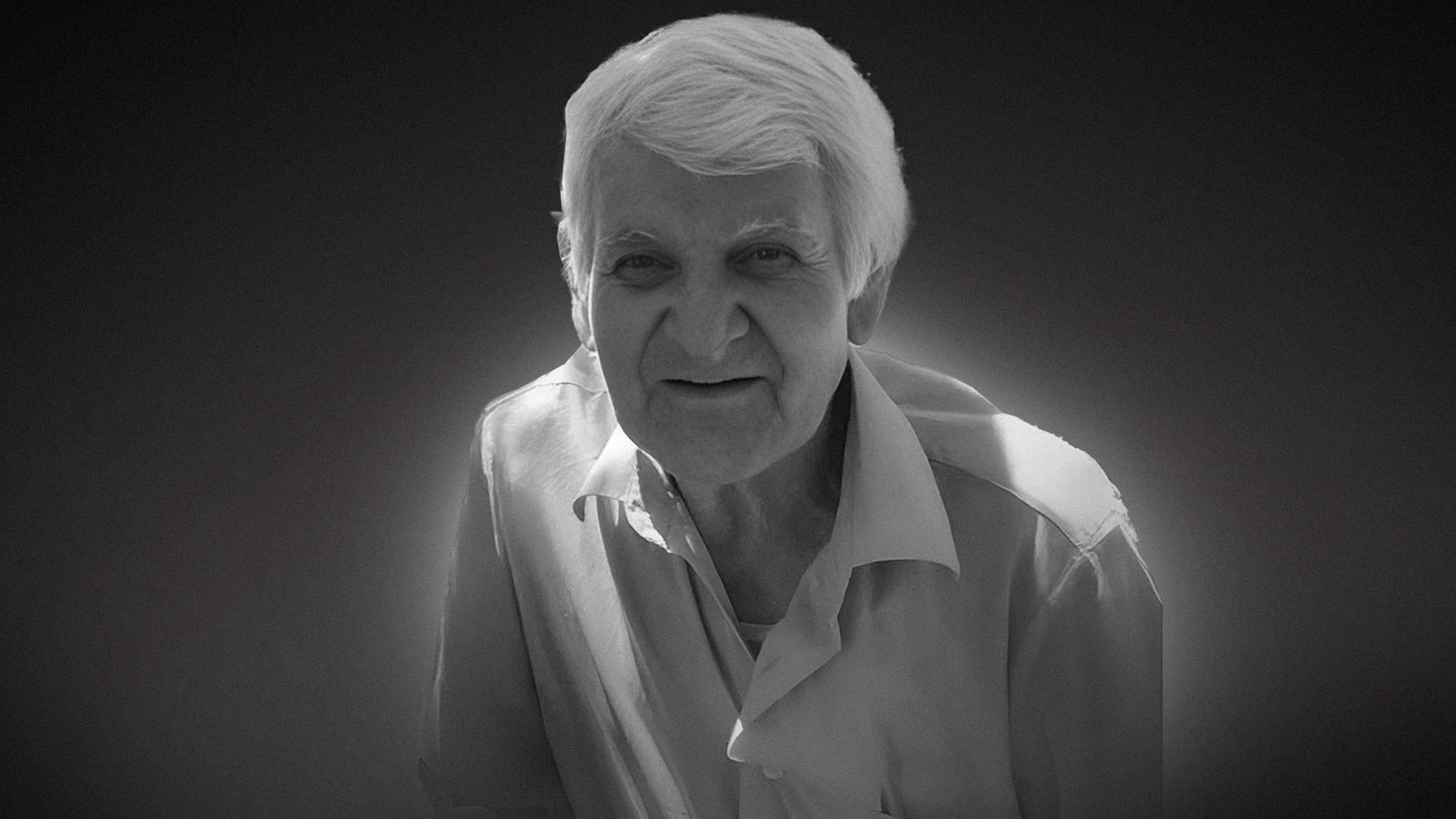
ERBIL (Kurdistan24) – Anwar Brzo, a well-known cultural figure and former political activist, passed away on Sunday at the age of 86.
Born in 1939 in Baroyi village, Bazian district, Brzo moved to Sulaimani in 1949, where he pursued religious studies and became a mullah. In 1958, he completed a year-long religious education course with over a hundred other teachers before joining the Kurdish freedom movement.
From 1961 to 1970, Brzo served as a Peshmerga and was an active member of the Kurdish Freedom and Revival Association and the Kurdish Union Organization (Kazhik). His political activities later led to his arrest by the Ba’ath regime in 1980 for distributing banned books and organizing underground political work. He was imprisoned in Baghdad’s notorious Abu Ghraib prison until his release under a general amnesty in 1982.
Alongside his political engagement, Brzo dedicated much of his life to education and cultural work. He taught at several schools in Sulaimani throughout the 1970s, including Baranan, Goran, Piramerd, and Dargazen schools. Outside the classroom, he was also known as a bookseller and cultural promoter, establishing libraries and bookstores across Sulaimani, from Sabunkaran to Piramerd Street and later near the public garden.
Brzo briefly worked as a bus driver before fully dedicating himself to education and bookselling. After retiring from the Sulaimani Education Directorate, he reopened his bookstore, which became a gathering place for intellectuals and readers in the city.
In his later years, due to illness and advanced age, Brzo withdrew from public life. His passing marks the loss of a significant figure in Sulaimani’s cultural and political history.