Iran Sends Dual National to Trial on Charges of Spying for Israel After June War
Judiciary claims suspect was trained by Mossad and possessed advanced espionage equipment.
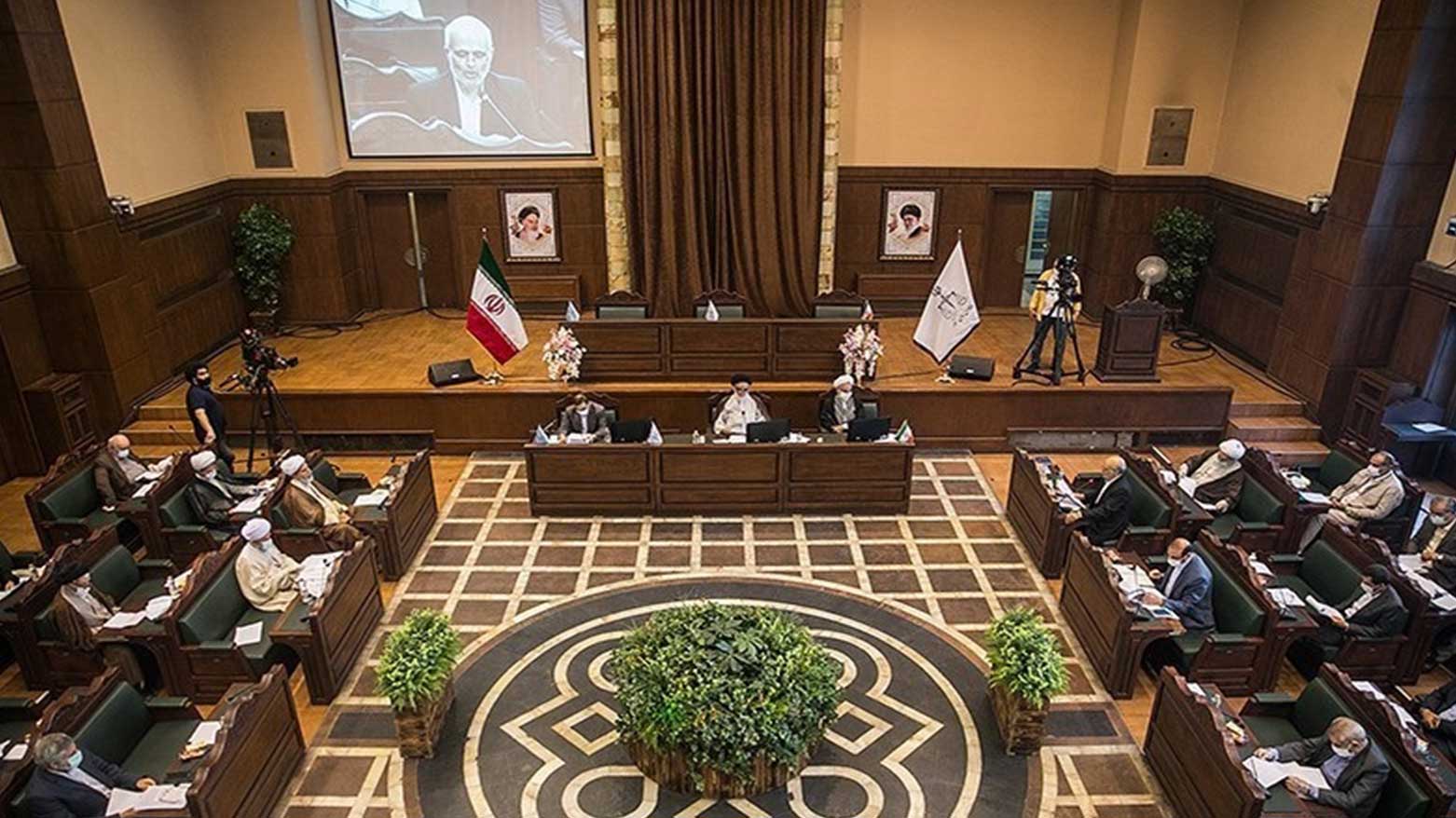
ERBIL (Kurdistan24) — Iran’s judiciary announced Monday that a dual national detained during the 12-day conflict with Israel in June has been formally referred to trial on allegations of espionage on behalf of the Israeli intelligence service Mossad.
The suspect, whose name has not been disclosed, was described by the judiciary-affiliated Mizan Online news agency as a “dual national who lives in a European country.” He was arrested inside Iran during the June war, which erupted after Israel carried out an unprecedented series of attacks targeting Iranian military and nuclear sites.
According to Mizan, an Iranian court has begun hearing the case. The defendant is charged with “intelligence cooperation and espionage in the interest of the Zionist regime,” accusations that carry severe penalties under Iranian law.
The judiciary claims the man entered Iran roughly one month before hostilities broke out and had been in direct contact with Mossad operatives. He allegedly received training “in the capitals of several European countries and the occupied territories,” a phrase Iran uses to refer to Israel.
Authorities say “sophisticated espionage and intelligence equipment” was seized during the man’s arrest, including items found in a villa where he had been staying. Officials did not release further details on the equipment.
During the June conflict, Iran reported the arrests of at least three European nationals, among them Lennart Monterlos, a 19-year-old French-German cyclist who was later released.
The war marked the first sustained military confrontation between Iran and Israel, following months of tit-for-tat strikes in 2024 that had stopped short of full-scale war.
The 12-day exchange ended on June 24 with a ceasefire after Iran launched drone and missile barrages on Israel in retaliation for Israeli strikes on Iranian territory. The United States later joined Israel in targeting additional Iranian nuclear facilities.
In the months since, Tehran has vowed swift action against anyone suspected of aiding Israel, announcing multiple arrests and several executions linked to espionage cases. Iran frequently accuses Israel of orchestrating sabotage operations against its nuclear program and of assassinating Iranian nuclear scientists.
In October, Iran enacted legislation stiffening punishments for individuals found guilty of spying for Israel or the United States. State media reported at the time that “all deliberate assistance” to Israel would be considered “corruption on Earth,” one of the gravest charges under Iranian law and a crime punishable by death.
As the trial of the unnamed dual national proceeds, Iranian authorities have reiterated that they will continue prosecuting espionage cases rapidly—particularly those connected to last June’s conflict.