U.S. Deports More Iranians, Marking Second Charter Flight in Ongoing Operation
US deports 50 Iranians on a 2nd charter flight via Kuwait/Egypt, amid rights concerns and a deal with Tehran to speed up returns.
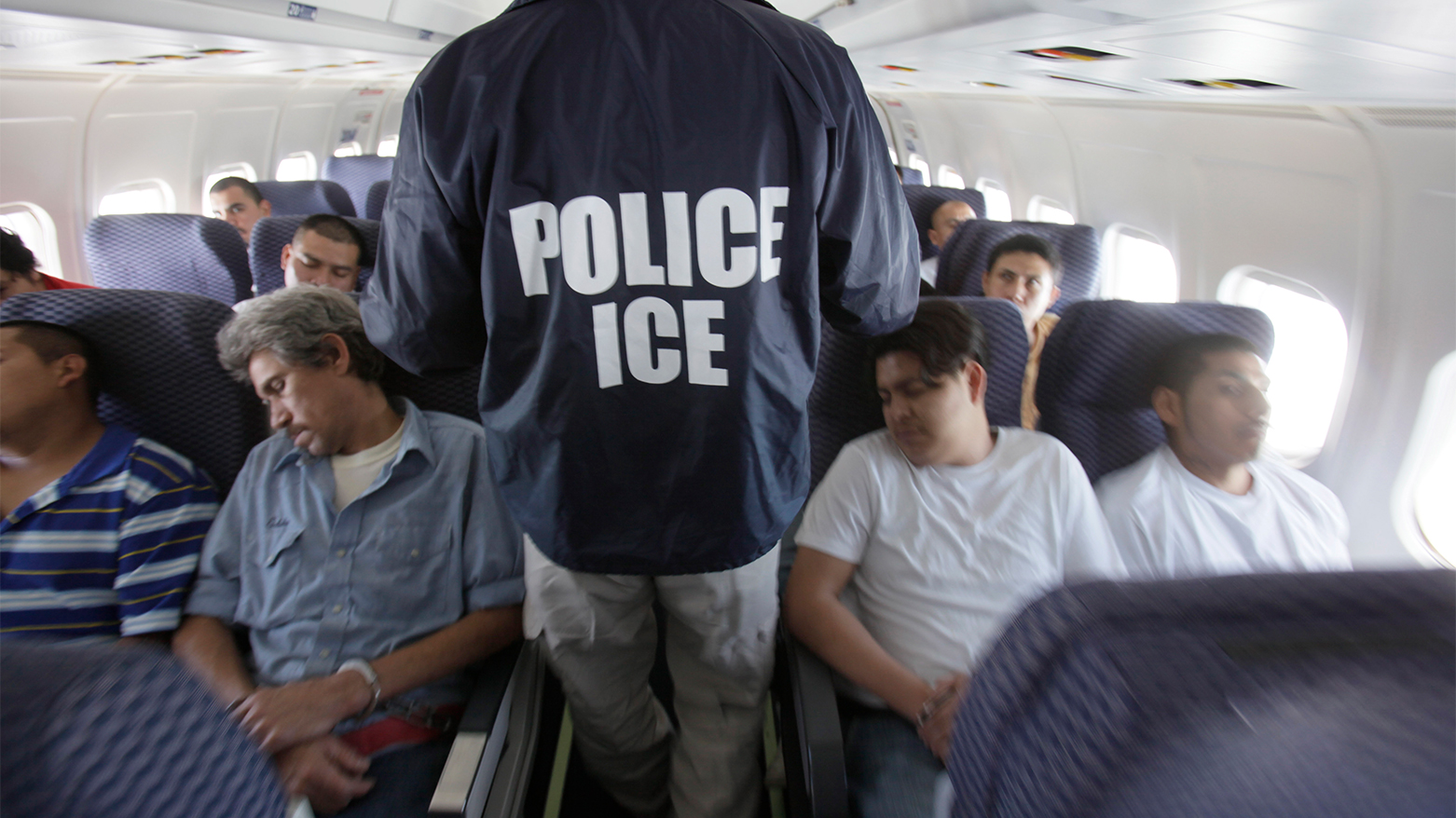
ERBIL (Kurdistan24) – In a logistical and diplomatic maneuver that underscores a profound hardening of American immigration enforcement, the United States government has executed a second chartered mass deportation flight of Iranian nationals, returning approximately 50 individuals to the Islamic Republic despite the absence of formal diplomatic relations between the two nations.
The operation, which launched on Sunday from an airfield in Mesa, Arizona, represents a significant escalation in the Trump administration’s pursuit of mass deportations and marks a sharp deviation from decades of U.S. policy that traditionally afforded sanctuary to dissidents and minorities fleeing the regime in Tehran.
According to a detailed report by The New York Times, the flight is the result of a discrete agreement reached two months ago between the Trump administration and Iranian authorities to coordinate the return of citizens facing removal orders.
This deal facilitates a process that was previously handled on a case-by-case basis using commercial aviation, signaling a move toward the industrialization of returns to countries previously deemed hostile or unsafe for repatriation.
Two Iranian officials, speaking on condition of anonymity because they were not authorized to discuss the sensitive matter publicly, confirmed to the newspaper that the aircraft departed on Sunday carrying a mix of passengers, including nationals from Russia and various Arab countries alongside the Iranian group.
The trajectory of the flight reflects the complex geopolitical reality of the region.
The New York Times reported that the aircraft is scheduled to make stops in Egypt and Kuwait before the Iranian nationals are ultimately transferred to Tehran. The itinerary dictates that Arab and Russian deportees will disembark in Cairo, after which the remaining Iranian passengers will proceed to Kuwait.
There, in a final logistical handover, they are expected to transfer to a chartered Kuwait Airways airplane for the last leg of their journey into Iranian airspace. This circuitous route highlights the lack of direct transit mechanisms between the U.S. and Iran, necessitating the involvement of third-party regional actors to facilitate the transfer of human cargo.
The operation has raised immediate and urgent questions regarding the safety and legal status of the deportees.
For over forty years, since the severance of ties following the 1979 Islamic Revolution, the United States has served as a primary destination for Iranian refugees, including religious and ethnic minorities, political dissidents, and members of the LGBTQ+ community fleeing systemic persecution. However, the current administration has signaled a clear intent to reverse this precedent.
The New York Times notes that the administration plans to carry out the largest deportation campaign in American history, with stated goals to severely reduce asylum grants and reportedly limit favorable immigration outcomes to migrants from specific demographics, such as English-speaking Europeans or South Africans.
While the Department of Homeland Security declined to provide an official comment on the specific flight, a U.S. official confirmed to The New York Times that the plane had taken off, describing the mission as a "routine deportation flight" that included nationals from countries other than Iran.
This characterization of the flight as "routine" stands in stark contrast to the concerns raised by human rights advocates and legislators.
Representative Yassamin Ansari, a Democrat from Arizona and the first Iranian-American woman elected to Congress, took to social media as reports of the flight surfaced over the weekend. She warned that the passenger manifest could include "vulnerable individuals who could face persecution" if returned to the custody of the Iranian state.
The demographic profile of the deportees, as described by the Iranian officials familiar with the matter, suggests that many had entered the United States through the southern border. These individuals reportedly spent months lingering in detention facilities before their asylum requests were ultimately denied.
The Trump administration has intensified its scrutiny of such cases, particularly following a shooting incident in Washington last month involving an Afghan immigrant, which the administration has utilized to justify new limits on legal pathways to immigration.
Iranians are currently among the citizens of 19 countries targeted in President Trump’s expanded travel ban, further narrowing the options for those seeking legal entry or protection.
In Tehran, the narrative surrounding the deportations is being framed through the lens of state propaganda.
Mojtaba Shasti Karimi, the director of consular services for Iran’s Foreign Ministry, told local news media on Sunday that the government was expecting to receive about 55 deportees in the coming days.
Karimi asserted that those in the group had expressed a willingness to return home due to what he described as the "racist and anti-immigration policies" of the U.S. government.
He further alleged that Tehran had received reports of "inhumane" treatment of Iranians held in U.S. Immigration and Customs Enforcement (ICE) custody, attempting to cast the return as a relief for the detainees rather than a forced expulsion.
However, the precedent set by the first chartered deportation flight, which took place in September via Qatar, paints a more harrowing picture.
The New York Times reported that during that initial operation, at least eight out of 45 passengers claimed they had resisted deportation, pleading not to be sent back due to fears for their lives.
Two deportees from that flight later provided detailed accounts of their ordeals, alleging that they had been beaten by immigration officials in both the United States and Qatar and physically dragged onto the plane.
Upon their arrival in Tehran in early October, these individuals faced immediate interrogation. Deportees described being terrified as they were questioned at the airport and forced to complete forms explaining why they had fled Iran and sought asylum in America.
Several reported being subsequently summoned for further interrogation by the intelligence wing of the Revolutionary Guards Corps, a powerful entity within the Iranian security apparatus known for its harsh treatment of perceived opponents. Both the United States and Qatar have denied allegations of violence or coercion regarding that flight.
The continued implementation of this deportation agreement suggests a sustained effort to clear the backlog of approximately 2,000 Iranians currently estimated to be facing deportation orders in the United States.