UNHCR Warns Syria’s Historic Wave of Returns Faces Urgent Funding Gap
UNHCR reports over 3 million displaced Syrians have returned home in the past year but warns a $1.5 billion appeal is only 33% funded, risking a critical window for sustainable recovery.
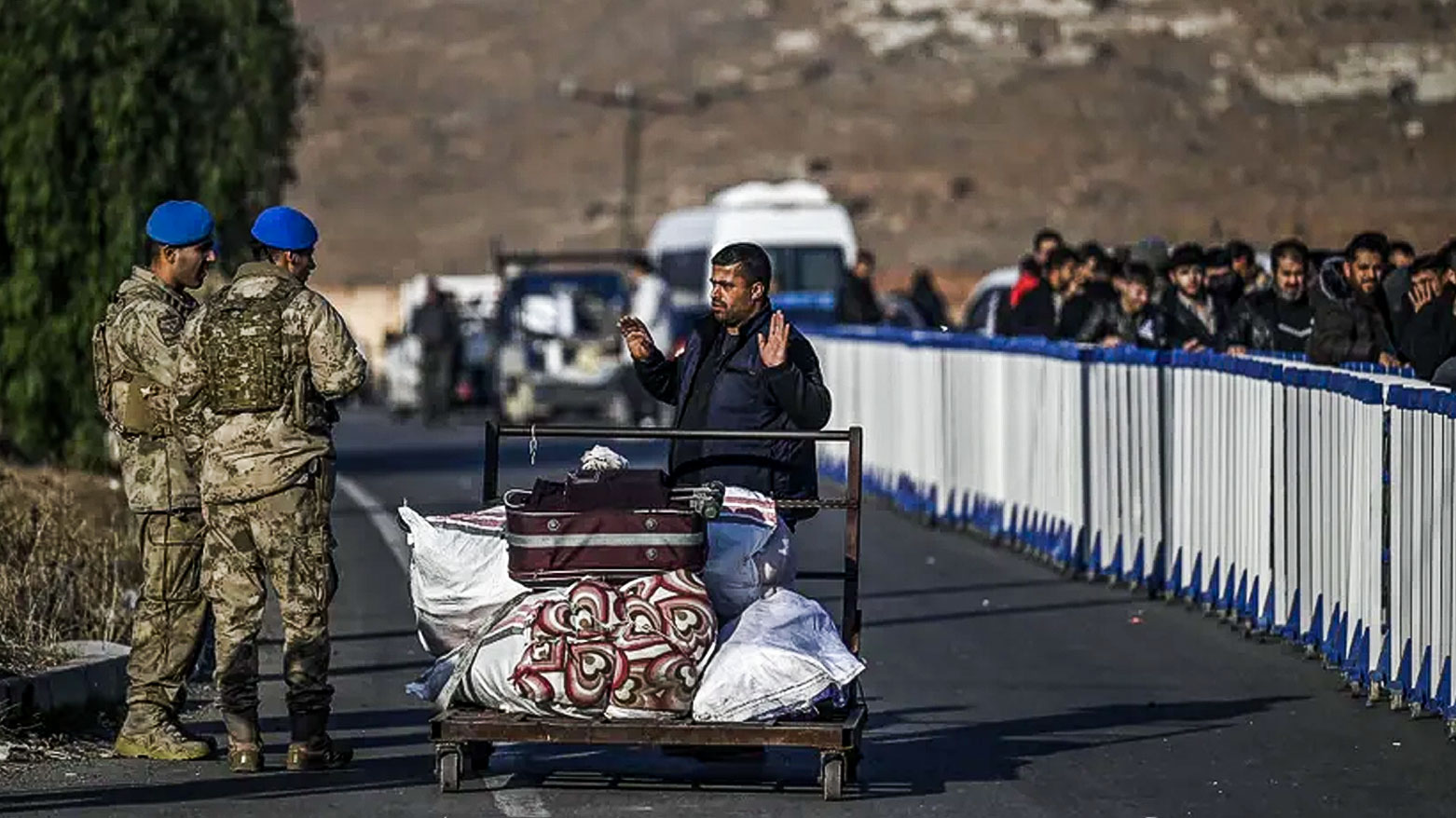
ERBIL (Kurdistan24) – One year after the fall of the Assad regime, Syria is witnessing a historic movement of return: more than 3 million displaced Syrians have gone back to their homes. The UN Refugee Agency (UNHCR) calls it a rare moment of hope—one that could close quickly without urgent international backing.
In a press release sent to Kurdistan 24, UNHCR said that since December 2024, over 1.2 million Syrian refugees have voluntarily returned from neighboring countries, alongside more than 1.9 million internally displaced people (IDPs) who have made the journey back to their areas of origin. Many more continue to express their desire to return.
UNHCR described the mass return as “a critical step” in Syria’s healing process. Forced displacement was among the most painful consequences of the conflict, and large-scale return is essential for ending years of humanitarian suffering.
“This is a once-in-a-generation chance to help end one of the world’s worst humanitarian crises,” UN High Commissioner for Refugees Filippo Grandi said. “But without urgent global backing, this window of hope will close. Syrians are ready to rebuild – the question is whether the world is ready to help them do it.”
As return movements increase, UNHCR has begun facilitating voluntary repatriations from neighboring host countries, ensuring the process remains dignified and sustainable. Support includes cash assistance, transportation, and counselling on civil documentation required for reintegration.
Since January 2025, UNHCR has scaled up its presence in host states to match the rising volume of returns:
1-Jordan: At least 170,000 Syrians have returned since 8 December 2024. UNHCR Jordan has assisted in over 24,000 instances through counselling, transportation, information services, and cash assistance.
2-Lebanon: Refugee support has been closed for approximately 379,000 Syrians as of the end of November due to confirmed or presumed return. Of these, 45,000 received counselling, repatriation forms and cash grants, while more than 2,600 also benefited from transport organized by IOM. The voluntary repatriation program is implemented with the cooperation of Lebanese authorities.
3-Egypt: Nearly 28,000 individual cases have been closed since 8 December 2024.
4-Türkiye: Approximately 560,000 Syrians have voluntarily returned in the past year. UNHCR has monitored around 420,000 of these returns in coordination with Turkish authorities, providing counselling, information, cash for transport, and support with civil documentation.
UNHCR underscored that returns must remain strictly voluntary. The security situation inside Syria remains unstable in several areas, and refugees are monitoring conditions closely. Fourteen years of war have left vast destruction: schools, hospitals, water networks and entire neighborhoods lie in ruins. Electricity, clean water and health services remain unreliable. Livelihoods are scarce, local markets lack supplies, and many returnees still lack the civil documents needed to reclaim property or access essential services.
The threat of unexploded ordnance remains acute, killing 577 people since the beginning of the year.
UNHCR says it is working to improve conditions on the ground. Since January, more than 36,000 households have received cash support upon return, and nearly 30,000 people have been provided transport from border crossings to their destinations. Almost 3,000 families have benefited from shelter repairs, 84,000 families have received relief items including blankets and winter clothing, and nearly 30,000 families have been assisted with winter support.
To address civil documentation and legal needs, UNHCR Syria is providing services through community centers and mobile teams, helping returnees reclaim property and access basic services. Teams are also working to prevent gender-based violence, protect children and provide psychosocial support. Civil registries and cadastral offices have been rehabilitated, and vocational initiatives—such as small business creation—are underway to strengthen recovery.
Despite these efforts, UNHCR’s $1.5 billion appeal for the Syria situation in 2025 is only 33 percent funded. Around 4.5 million Syrian refugees remain in neighboring countries, most living below the poverty line. Both refugees and host states continue to rely on international support to maintain stability and prevent unsafe or premature returns.
UNHCR stressed that expanded funding is urgently needed to sustain recovery, rebuild essential services, expand livelihoods, support host countries and prevent new humanitarian pressures.
UNHCR emphasized that the Syrian Government holds the primary responsibility for creating a secure, rights-based environment that supports voluntary return. “In this new Syria, we must see only voluntary returns, not new displacements,” the agency said.
As millions take hesitant steps back toward their old lives, the future of Syria’s recovery—and the stability of the wider region—may depend on whether global donors choose to meet this moment.