Women, Children Stopped in Escape Attempt from Al-Hol Camp: Officials Say Bad Weather Facilitated Bid
The group, described as holding “various nationalities, including Russians," had attempted to flee the camp’s high-security section, which houses non-Syrian and non-Iraqi residents linked to ISIS militants.
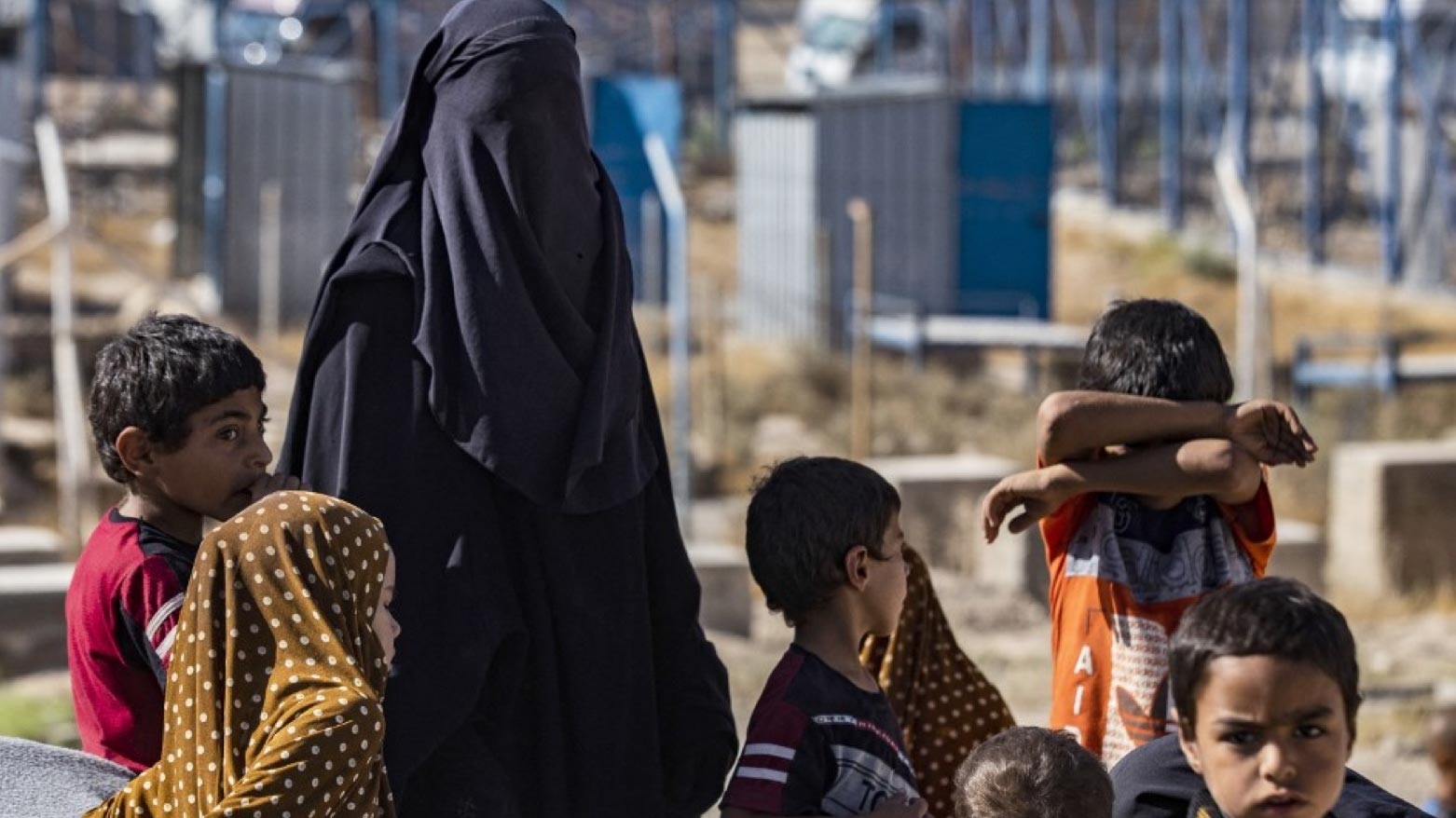
ERBIL (Kurdistan24) – Authorities at the Al-Hol camp in West Kurdistan (northeast Syria) say they thwarted an escape attempt by 18 women and children late Wednesday, according to the facility’s director, Jihan Hanan.
The group, described as holding “various nationalities, including Russians," had attempted to flee the camp’s high-security section, which houses non-Syrian and non-Iraqi residents linked to ISIS militants.
Hanan told AFP on Thursday that heavy fog had blanketed the area for days, conditions that typically embolden escape efforts. She did not provide further details on how the attempt was prevented.
Al-Hol, the largest camp of its kind in West Kurdistan, currently shelters more than 24,000 people: around 15,000 Syrians, 3,500 Iraqis, and some 6,200 foreign nationals. Despite the camp’s high-security measures, authorities say escape attempts tend to increase during periods of poor visibility.
In September, the Syrian Democratic Forces (SDF) stopped another large-scale attempt involving 56 residents.
The Kurdish-led administration has repeatedly urged foreign governments to repatriate their citizens from these overcrowded camps, which house tens of thousands of individuals with alleged or perceived ties to ISIS, more than six years after the group’s territorial defeat.
While most countries remain reluctant due to security and political concerns, Baghdad has stepped up the return of Iraqi citizens. Earlier this year, Kurdish officials announced plans to empty camps across west Kurdistan of displaced Syrians and Iraqi refugees—including families of suspected militants—by year’s end.
The latest escape attempt comes as the Kurdish administration continues negotiations with Syria’s new Islamist authorities over integrating military and civilian institutions. The agreement, signed earlier this year, has faced delays due to unresolved differences.
ISIS once controlled vast areas of Syria and Iraq before its military defeat in 2019, but remnants of the group continue to operate, particularly in Syria’s desert regions.