U.S. Treasury Reimposes Sanctions on Maduro’s Inner Circle Over Smuggling Network
The U.S. Treasury sanctioned three of Maduro's nephews and six shipping firms, reversing Biden-era relief to target Venezuela's "narco-terrorist" regime.
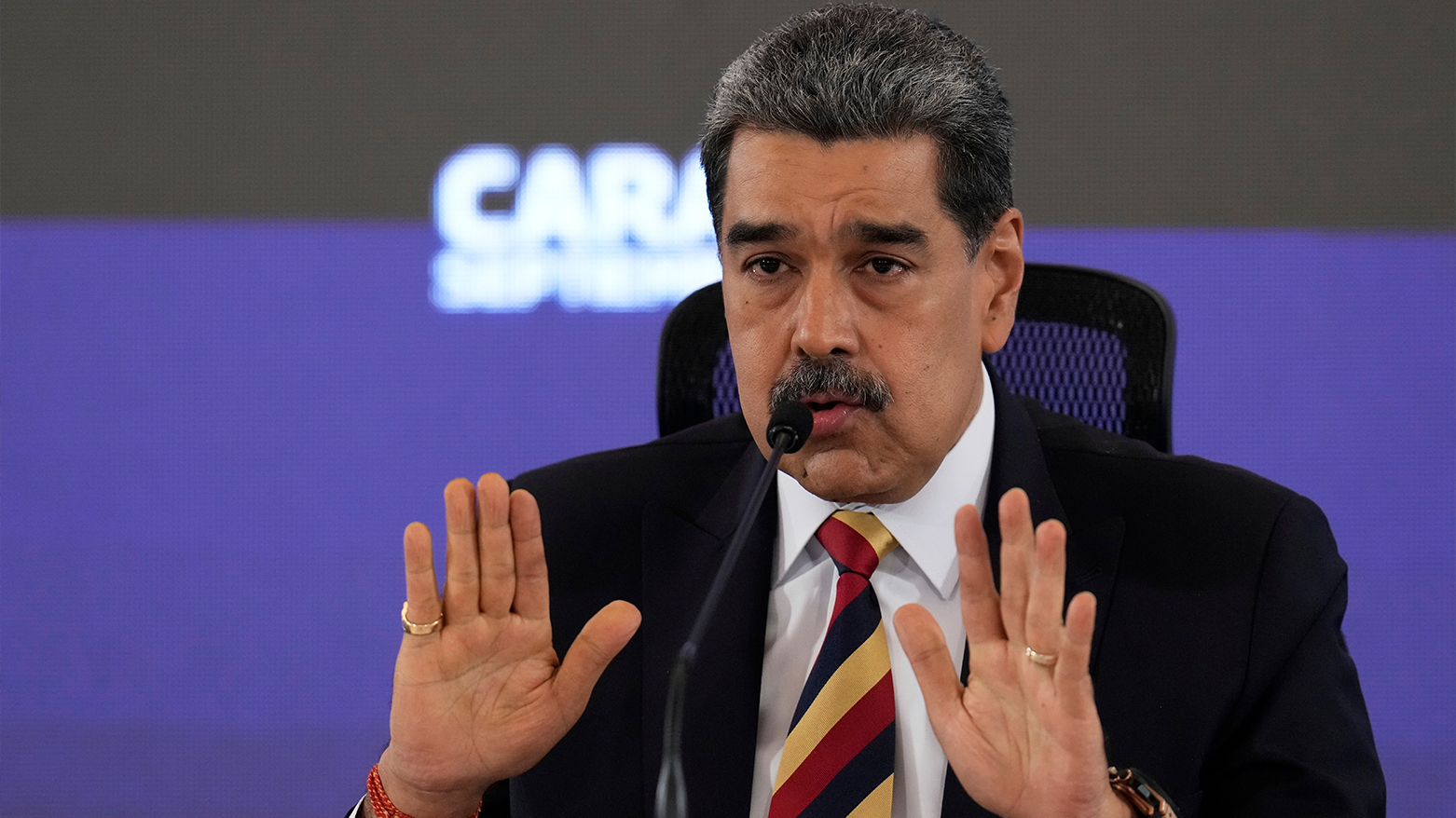
ERBIL (Kurdistan24) — In a decisive reversal of the previous administration’s diplomatic strategy toward Venezuela, the United States Department of the Treasury announced on Thursday a sweeping package of sanctions targeting the inner circle of Nicolas Maduro, including three nephews of his wife, Cilia Flores, and a network of maritime entities facilitating the regime's oil trade.
The action, taken by the Office of Foreign Assets Control (OFAC), effectively undoes the clemency and sanctions relief granted under President Joe Biden, re-designating individuals previously convicted of drug trafficking and tightening the economic noose around what the Trump administration has labeled an "illegitimate" and "narco-terrorist" regime.
The new designations mark a significant escalation in Washington’s pressure campaign against Caracas. Secretary of the Treasury Scott Bessent framed the move as a necessary corrective to past policies that he argued had emboldened Maduro’s dictatorship at the expense of the Venezuelan and American people.
“Nicolas Maduro and his criminal associates in Venezuela are flooding the United States with drugs that are poisoning the American people,” Bessent stated. “These sanctions undo the Biden Administration’s failed attempt to make a deal with Maduro... Under President Trump’s leadership, Treasury is holding the regime and its circle of cronies and companies accountable for its continued crimes.”
Central to Thursday's action is the re-designation of Efrain Antonio Campo Flores and Franqui Francisco Flores de Freitas, known widely as the "narco-nephews."
Both men were arrested in Haiti in 2015 while finalizing a deal to traffic hundreds of kilograms of cocaine into the United States and were subsequently convicted in 2016. However, they were granted clemency by President Biden in October 2022 as part of a prisoner exchange.
The Treasury Department asserts that since their return to Venezuela, both men have resumed their involvement in illicit drug activities. They have now been designated under Executive Order 14059 for materially contributing to the international proliferation of illicit drugs.
Additionally, the Treasury has re-sanctioned Carlos Erik Malpica Flores, another nephew of Cilia Flores and a former high-ranking official within Venezuela’s state-owned oil company, PDVSA, and the National Treasury.
Malpica had been removed from the sanctions list in 2022 in an effort to encourage democratic negotiations—a gambit the current administration views as a failure given Maduro’s continued refusal to recognize democratic values. Malpica is being redesignated pursuant to Executive Order 13692 for his role as a current or former official of the Venezuelan government.
The sanctions also extend to the logistical and financial networks supporting the regime. OFAC designated Ramon Carretero Napolitano, a Panamanian businessman accused of facilitating petroleum shipments for the Venezuelan government and engaging in lucrative contracts with the Maduro-Flores family. Carretero is being targeted under Executive Order 13850 for operating in the oil sector of the Venezuelan economy.
Beyond individuals, the Treasury’s action strikes at the maritime lifelines of the regime’s economy. Six shipping companies and six associated vessels have been identified and blocked for their role in exporting Venezuelan oil, often through deceptive practices such as manipulating location transmissions to evade detection.
The sanctioned entities include Myra Marine Limited (Marshall Islands) and its vessel White Crane; Arctic Voyager Incorporated (Marshall Islands) and the Panama-flagged Kiara M; Poweroy Investment Limited (British Virgin Islands) and the vessel H. Constance; Ready Great Limited (Marshall Islands) and the Lattafa; Sino Marine Services Limited (UK) and the Hong Kong-flagged Tamia; and Full Happy Limited (Marshall Islands) and the Cook Islands-flagged Monique.
These vessels have been tracked loading oil in Venezuela throughout 2025 and transporting it to markets in Asia, generating revenue that sustains the Maduro government.
The re-imposition of these sanctions carries immediate and severe consequences. All property and interests in property of the designated individuals and entities that are in the United States or in the possession of U.S. persons are now blocked.
Furthermore, the regulations generally prohibit any transactions by U.S. persons involving the blocked parties, effectively cutting them off from the U.S. financial system.
This aggressive stance signals the Trump administration’s intent to dismantle the financial architecture of the Maduro regime, prioritizing enforcement over engagement.
By targeting familial corruption and the oil sector simultaneously, Washington is sending a clear message that the period of leniency is over, and that the U.S. will aggressively pursue those it deems responsible for undermining democracy in Venezuela and fueling the drug trade affecting American communities.