U.S. Forces Strike Alleged Narco-Terrorist Vessels in Eastern Pacific
US forces struck two alleged narco-terrorist vessels in the Eastern Pacific, killing five militants as Washington intensifies its maritime drug war.
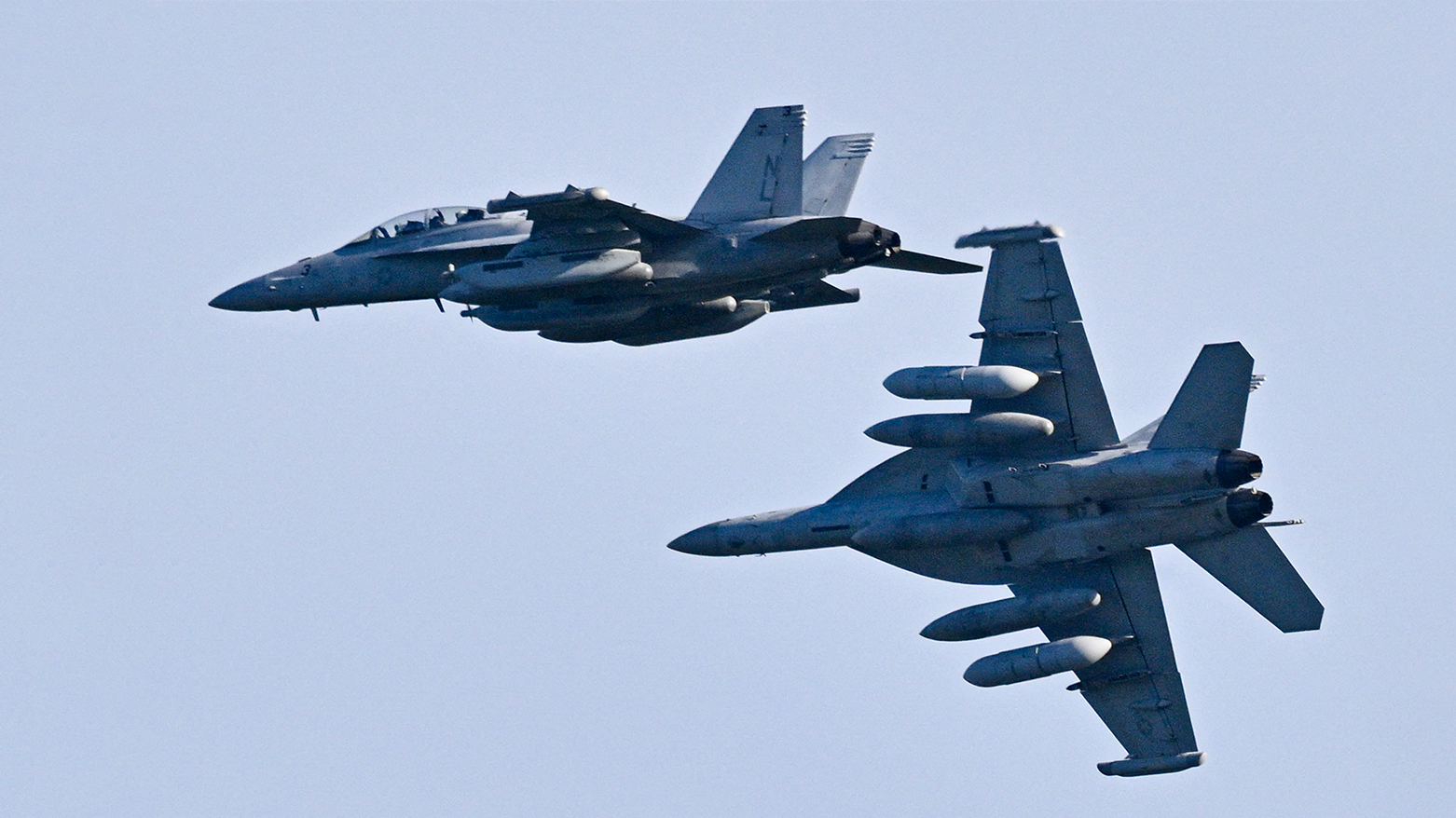
ERBIL (Kurdistan24) – U.S. military forces operating under Joint Task Force Southern Spear carried out lethal strikes against two alleged narco-terrorist vessels in international waters of the Eastern Pacific on Thursday, killing five militants and marking the latest escalation in Washington’s expanding maritime campaign against transnational drug trafficking networks, according to a Fox News report published on Dec. 18.
The operation, conducted at the direction of Secretary of War Pete Hegseth, targeted vessels that US intelligence identified as being operated by designated terrorist organizations and actively engaged in narcotics trafficking along a major maritime corridor. US Southern Command (SOUTHCOM) confirmed that no American personnel were injured during the action, underscoring what officials described as a precise, intelligence-driven strike designed to disrupt time-sensitive criminal activity at sea.
In a statement released on social media and cited by Fox News, SOUTHCOM said that Joint Task Force Southern Spear carried out “lethal kinetic strikes” on the two vessels after intelligence assessments confirmed their involvement in narco-trafficking operations in the Eastern Pacific. The post added that the vessels were moving along routes long associated with the transnational drug trade, a network of maritime pathways that US authorities have increasingly characterized as intertwined with organized terrorist groups.
According to the same statement, three militants were killed aboard the first vessel and two aboard the second, bringing the total death toll from the operation to five. SOUTHCOM emphasized that US forces sustained no casualties, a point repeatedly highlighted as the Pentagon seeks to demonstrate both operational effectiveness and force protection in its maritime interdiction campaign.
Accompanying the announcement, SOUTHCOM released video footage on the social media platform X showing what it described as the opening moments of the strike and its aftermath. The footage depicts a vessel engulfed in flames following the attack, offering a stark visual representation of the military’s approach to combating drug trafficking at sea. The video, while brief, was clearly intended to signal both capability and resolve.
On Dec. 18, at the direction of @SecWar Pete Hegseth, Joint Task Force Southern Spear conducted lethal kinetic strikes on two vessels operated by Designated Terrorist Organizations in international waters. Intelligence confirmed that the vessels were transiting along known… pic.twitter.com/CcCyOgYRto
— U.S. Southern Command (@Southcom) December 19, 2025
Joint Task Force Southern Spear was established to integrate naval, Coast Guard, intelligence, and special operations assets into a unified command capable of rapidly engaging high-value, time-sensitive targets in maritime environments.
According to Fox News, the task force’s mandate reflects a growing US emphasis on coordinated, joint operations as traffickers adopt more sophisticated methods to evade detection, including the use of submersibles and high-speed craft.
Despite the public release of footage and casualty figures, US authorities have withheld key details about the individuals and organizations involved. The Pentagon has not identified the militants killed in the strikes, nor has it disclosed the specific terrorist organization operating the vessels.
This withholding of information aligns with a broader pattern in recent maritime operations, where officials cite operational security and ongoing investigations as reasons for limiting public disclosures.
The latest strikes are part of a sustained campaign by the United States to dismantle narco-terrorist networks operating across the Eastern Pacific and Caribbean.
Fox News reported that US forces have conducted dozens of similar operations in these waters in recent months, targeting groups that Washington accuses of combining drug trafficking with organized violence and terrorism.
Among the organizations previously cited by US officials are Venezuela’s Tren de Aragua and Colombia’s Ejército de Liberación Nacional (ELN), both of which have been linked by American authorities to drug smuggling operations.
While Fox News noted that the Pentagon did not confirm whether either group was involved in Thursday’s strikes, their mention underscores the broader scope of the campaign and the types of actors it seeks to neutralize.
The maritime crackdown reportedly began on Sept. 2 with a strike that killed 11 alleged members of Tren de Aragua, an operation that US officials have since pointed to as a turning point in their approach to maritime drug interdiction. Subsequent actions have, according to Fox News, resulted in the elimination of dozens more suspected militants across established trafficking routes, reflecting a tempo of operations that appears to be accelerating.
US forces involved in the campaign have targeted a wide range of vessels, adapting to the evolving tactics of traffickers. Fox News reported that operations have struck submersibles designed to evade radar, as well as fishing boats and high-speed vessels commonly used to transport narcotics across vast stretches of ocean. This diversity of targets highlights the logistical complexity of the drug trade and the challenges faced by enforcement agencies seeking to interdict it.
The strikes also come amid a broader policy push by the Trump administration to address the domestic impact of narcotics trafficking, particularly the flow of fentanyl into the United States. Earlier this month, the administration launched its “Fentanyl Free America” plan, a comprehensive initiative aimed at curbing the supply of illicit drugs through enhanced enforcement and international cooperation.
According to Fox News, the Drug Enforcement Administration has reported that strikes on suspected drug-trafficking vessels in the Caribbean are contributing to a reduction in the flow of illegal drugs into the US. While the report did not provide specific figures, the administration has repeatedly framed maritime interdiction as a critical front line in its fight against narcotics.
Thursday’s operation reflects the increasingly militarized nature of that effort. By labeling the targets as “narco-terrorists” and assigning military assets to engage them directly, Washington has blurred traditional distinctions between law enforcement and counterterrorism operations. Supporters argue that this approach is necessary to confront heavily armed, well-financed networks that operate across borders and exploit gaps in international jurisdiction. Critics, while not cited in the Fox News report, have in other contexts raised concerns about escalation and the legal frameworks governing the use of force in international waters.
For now, US officials appear determined to maintain pressure. The emphasis on intelligence confirmation, joint task force coordination, and public messaging suggests that the administration views these operations not as isolated incidents but as part of a sustained strategy. The absence of US casualties and the release of dramatic footage reinforce a narrative of control and effectiveness that the Pentagon has sought to project.
As Joint Task Force Southern Spear continues its mission across the Eastern Pacific and Caribbean, the strikes underscore Washington’s willingness to use lethal force far from its shores to disrupt drug trafficking networks. Whether the campaign will produce lasting reductions in narcotics flows remains an open question, but the events of Thursday make clear that the United States intends to keep the pressure on, one vessel at a time.