KDP Nominates Fuad Hussein and Nawzad Hadi for Iraqi Presidency as Kurdish Parties Enter Critical Phase
Multiple Kurdish candidates—including KDP nominees, PUK’s Nizar Amedi, and veteran politician Mala Bakhtiar—enter the race ahead of the parliamentary vote, underscoring intensified competition over Iraq’s top ceremonial post.
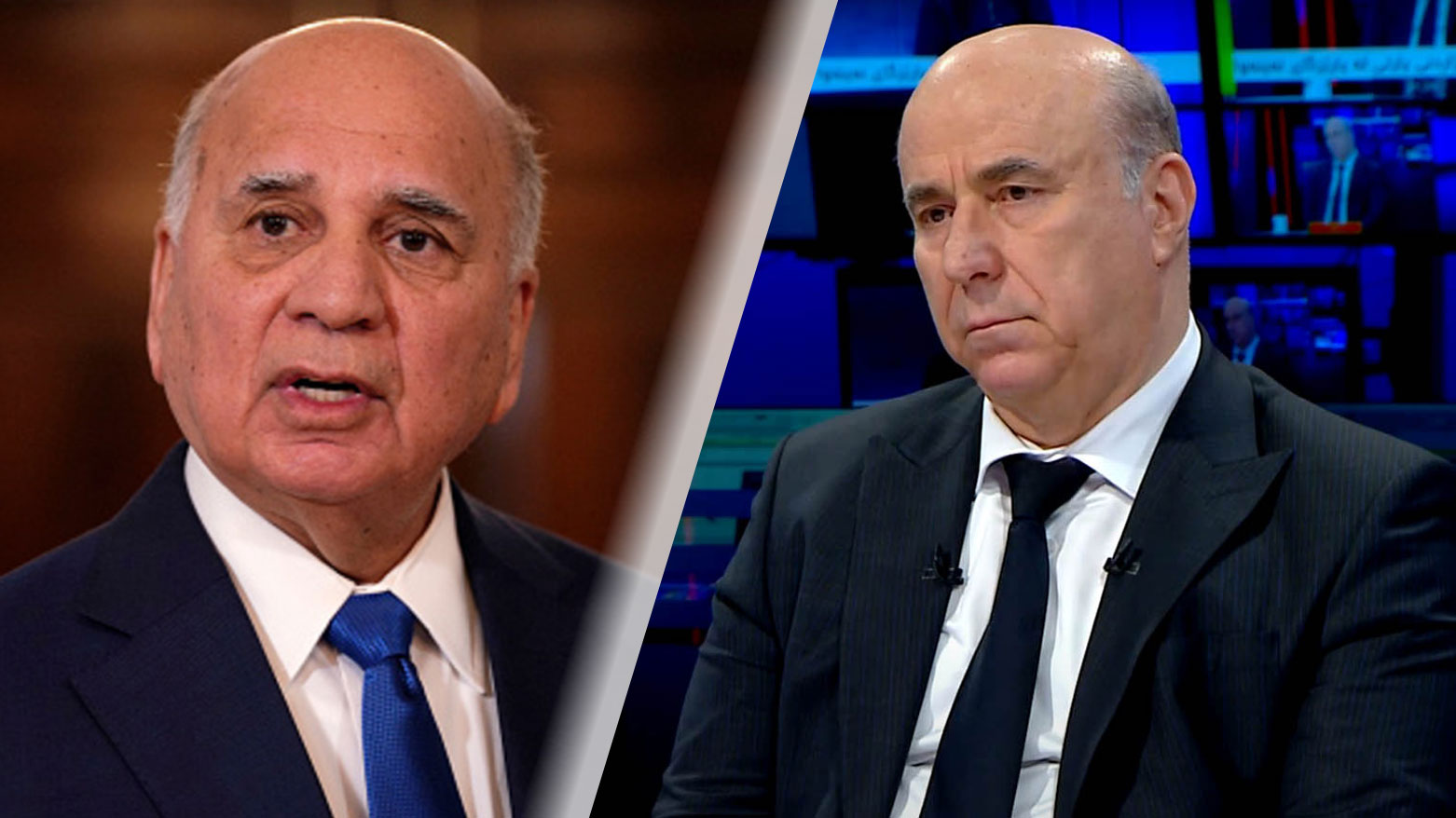
ERBIL (Kurdistan24) — The Kurdistan Democratic Party (KDP) has officially nominated two senior figures—Fuad Hussein and Nawzad Hadi—for the position of President of Iraq, as Kurdish political forces step up preparations ahead of the parliamentary election for the largely ceremonial but politically significant role.
According to information obtained by Kurdistan24 from a high-level source, the KDP submitted the curricula vitae of both candidates to the Presidency of the Iraqi Parliament before the nomination window closed at 3:00 PM on Monday. Nearly 80 candidates have registered for the post so far, underscoring the highly competitive nature of the race.
The dual nomination signals the KDP’s intent to retain flexibility during ongoing political negotiations, particularly amid efforts to reach a broader Kurdish consensus while also engaging with Arab and Shiite blocs in Baghdad.
Fuad Hussein: Veteran Diplomat and Statesman
Fuad Mohammed Hussein, born in 1946 in Khanaqin town, is one of the most prominent Kurdish political figures at the federal level. Currently serving as Iraq’s Minister of Foreign Affairs, Hussein previously held the post of Minister of Finance from 2018 to 2020 and has played a central role in shaping Iraq’s external relations.
His political career dates back to the Kurdish student movement in the late 1960s, followed by participation in the Peshmerga after graduating from the University of Baghdad. After years in exile in Europe, where he earned a PhD in International Relations and worked in academic and research institutions, Hussein returned to Iraq following the fall of the former regime in 2003.
He later became Chief of Staff to the Presidency of the Kurdistan Region, serving closely with President Masoud Barzani. Fluent in Kurdish, Arabic, English, and Dutch, Hussein is widely regarded as a consensus-oriented figure with deep experience in diplomacy, governance, and opposition politics.
Nawzad Hadi: Longtime Administrator and Party Leader
The second KDP nominee, Nawzad Hadi Mawlood Mohammed, was born in Erbil in 1963 and holds a degree in Electrical Engineering from Salahaddin University in Erbil. He is best known for his 15-year tenure as Governor of Erbil (2004–2019), a period marked by extensive urban development and infrastructure expansion, with more than 14,000 projects implemented at an estimated cost of $10 billion.
Hadi has held several senior positions within the Kurdistan Regional Government (KRG) and the KDP, including Deputy Minister of Transport and Communications and, more recently, Advisor to Kurdistan Region President Nechirvan Barzani.
He is currently a member of the KDP Politburo and heads the party’s organizing office in Nineveh province. Within party circles, Hadi is viewed as a seasoned administrator with strong organizational credentials and close ties to both Erbil and the Kurdistan Region territories outside the KRG administrative control.
Other Kurdish Candidates Enter the Race
The presidential contest has also drawn candidates from outside the KDP. Kurdistan24’s correspondent in Baghdad reported that Mala Bakhtiar, a veteran Kurdish politician and former senior figure in the Patriotic Union of Kurdistan (PUK), has nominated himself as an independent candidate.
Meanwhile, the PUK has formally announced its own official nominee. Party spokesperson Karwan Gaznayi confirmed on Monday that Nizar Amedi, a member of the PUK Politburo, has been selected as the party’s official candidate for the presidency.
Born in 1968 in Duhok’s Amedi district, Amedi has held several senior advisory and ministerial roles, most recently serving as Iraq’s Minister of Environment until late 2024. He has also represented Iraq in multiple international forums, including UN climate summits and regional conferences, and is currently head of the PUK Politburo’s office in Baghdad.
Under Iraq’s post-2003 political convention, the presidency is traditionally allocated to a Kurdish figure, while executive power rests primarily with the prime minister. However, the position retains symbolic weight and constitutional authority, particularly in overseeing parliamentary procedures, ratifying laws, and safeguarding the constitution.
With multiple Kurdish candidates now officially in the race, attention is turning to whether the KDP and PUK can ultimately converge on a single consensus nominee or whether internal competition will shape negotiations with other parliamentary blocs.
The Iraqi parliament is expected to begin formal procedures for electing the next president in the coming days, following constitutional timelines that require a two-thirds majority in the first round, or a simple majority in a runoff between the top two candidates.