Vocational Training Programs Expanded to Equip Kurdistan’s Young Workforce
KRG vocational courses based on market needs are helping youths like Abdullah Mohammed start businesses. In 2024, 276 people trained, with a surge in female participation in the second half.
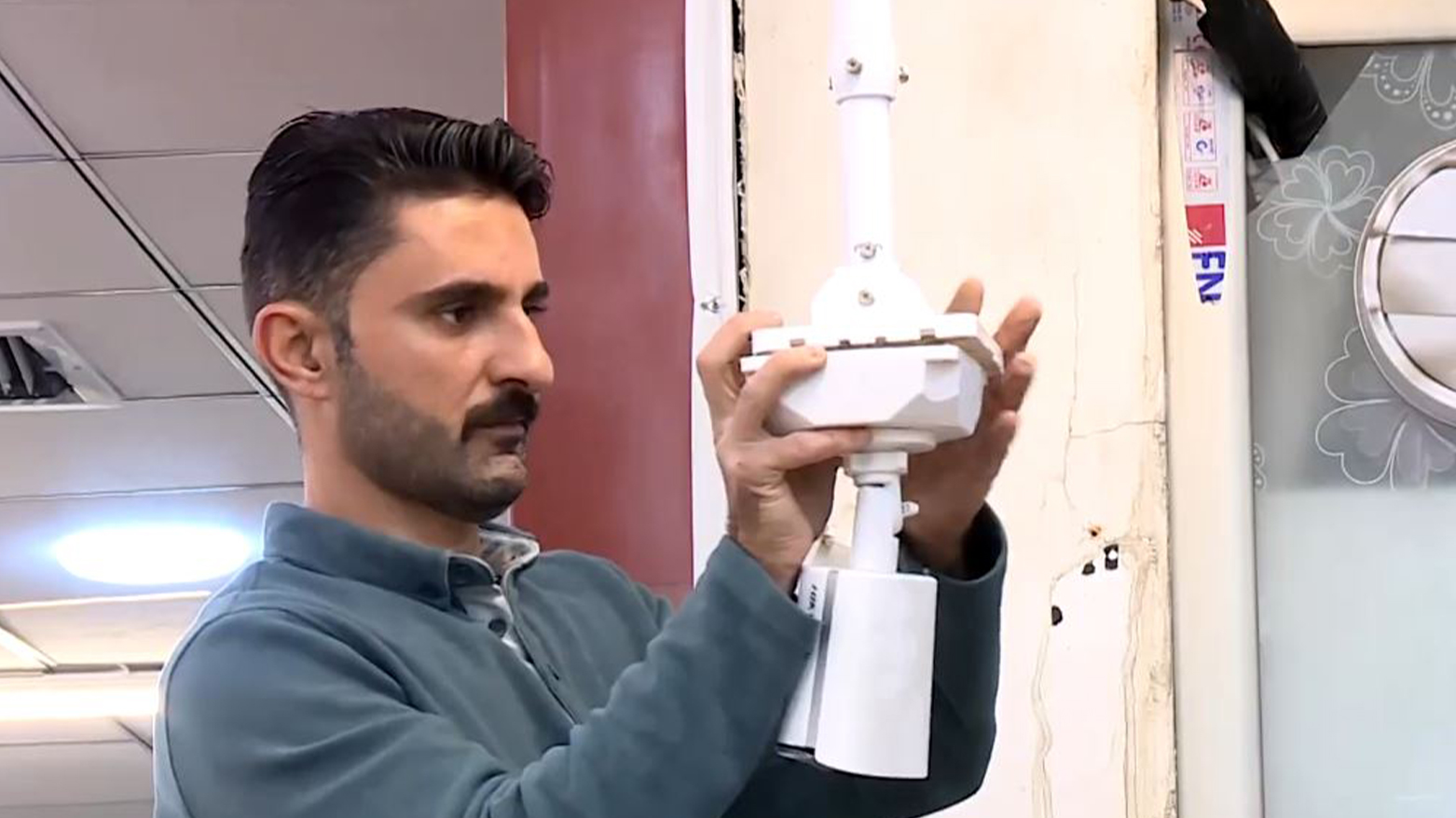
ERBIL (Kurdistan24) – The Kurdistan Regional Government (KRG) has intensified its efforts to integrate young people into the private sector labor market through a series of targeted vocational training programs. These initiatives, supervised by the Ministry of Labor and Social Affairs, are designed to transition hundreds of youths from unemployment to independent business ownership by addressing specific skills gaps within the local economy.
According to investigations into the program's structure, the vocational training centers affiliated with the KRG have positioned themselves as a gateway for economic mobility.
Officials assert that the curriculum is not based on routine administrative scheduling but is instead derived from detailed studies of market needs. This data-driven approach aims to ensure that the skills being taught correspond directly to the demands of the current labor market, thereby increasing the employability of graduates.
Dilawar Anwar, the Director of the Vocational Training Course Center in Erbil, announced that the operational framework of these courses is strictly based on labor market research.
In outlining the administrative structure of the initiative, Anwar indicated that the courses are conducted through two primary funding and organizational channels. A portion of the training is financed directly through the government budget, reflecting the KRG’s internal commitment to workforce development.
The second channel involves coordination with international entities, including the United Nations and various non-governmental organizations (NGOs).
Anwar noted that this collaborative effort is designed to reach different demographic segments of the population. The targeted groups include unemployed youths, displaced persons, and low-income families, with the overarching goal of securing sustainable livelihoods for vulnerable households.
The impact of this policy is illustrated by the trajectory of program participants like Abdullah Mohammed, a resident whose experience was cited in reports regarding the initiative.
Mohammed, who is 34 years old, had faced long-term unemployment prior to his engagement with the vocational centers. In 2024, he made the decision to enroll in a specialized course focused on the installation of surveillance cameras.
"I was in the course for about 45 days and learned the trade," Mohammed stated, describing the relatively short duration required to acquire market-ready technical skills.
Following the completion of the training, his economic status shifted from unemployment to entrepreneurship. "Now, thank God, I own my independent business," he said.
Furthermore, Mohammed’s case highlights a multiplier effect inherent in the training strategy. He reported that since establishing his own business, he has personally trained four to five of his friends.
According to Mohammed, these individuals have subsequently advanced to become "masters" in the trade and now employ their own workers, effectively expanding the job creation footprint of the initial government investment.
Statistical data released regarding the program’s performance in 2024 reveals both the scope of participation and shifting demographic trends.
According to official statistics, a total of 276 people participated in various vocational courses throughout the year. A breakdown of the annual figures shows that 168 of these participants were male.
However, a closer examination of the data from the latter half of the year indicates a significant demographic shift.
In the last six months of 2024, the rate of women's participation increased markedly.
Out of a total of 97 participants recorded during this specific six-month period, 80 were women.
This data suggests a growing responsiveness among the female population to the vocational opportunities provided by the Ministry of Labor and Social Affairs.
The government characterizes these efforts as a strategic move to create a skilled workforce capable of navigating the free market.
by equipping young people with practical trades—ranging from technical installations to other market-relevant skills—the KRG aims to foster a culture of self-reliance.
The ultimate objective is to enable youth to rely on their own abilities and establish independent businesses, thereby reducing the economic burden of unemployment on the region.