Iran FM Accuses Trump of ‘Betraying Diplomacy’ as War Overshadows Nuclear Talks
Araghchi says negotiations were “bombed out of spite” amid escalating US-Israel strikes
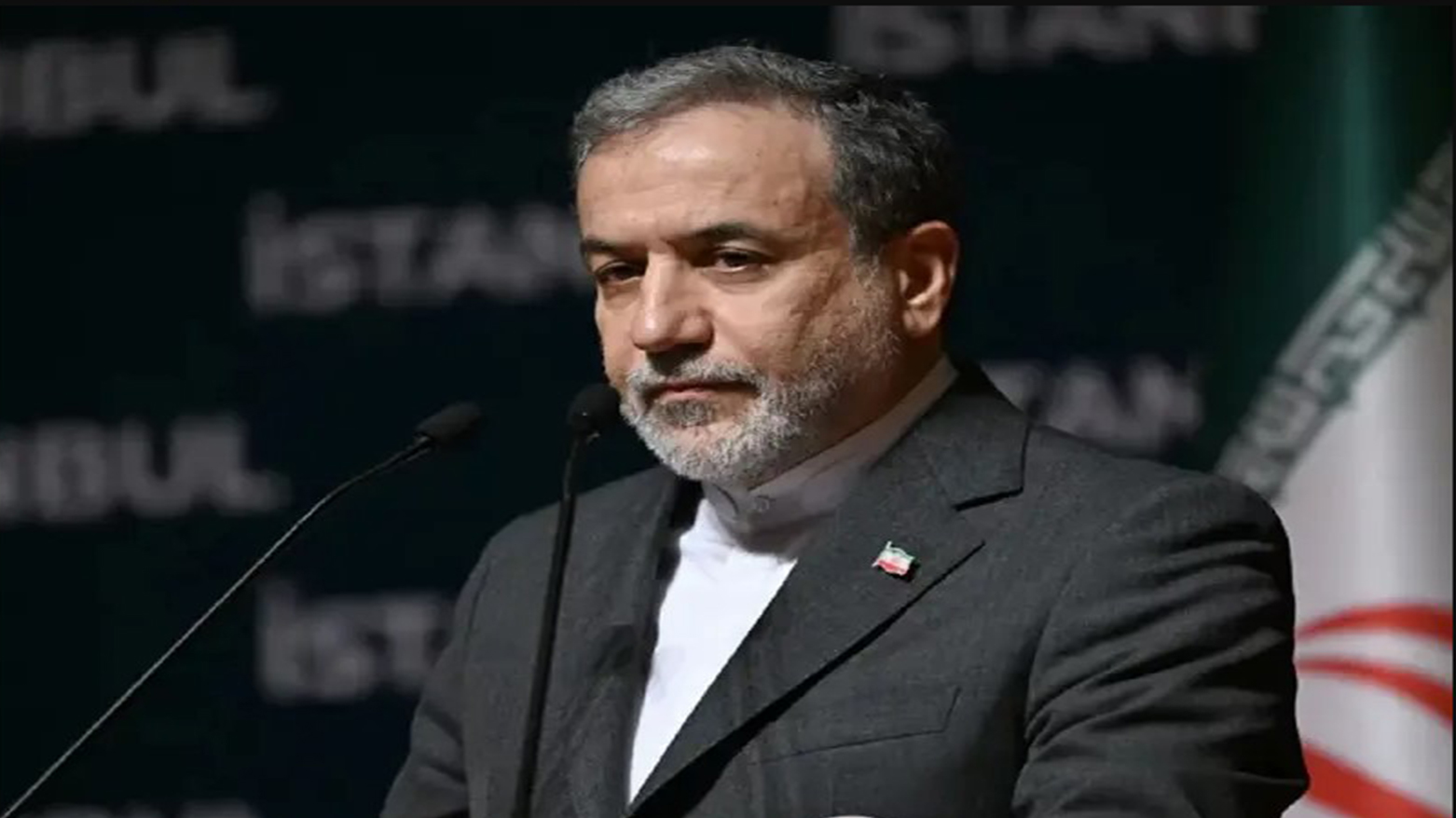
ERBIL (Kurdistan24) — Iran’s Foreign Minister Abbas Araghchi on Wednesday sharply criticized US President Donald Trump, accusing him of undermining diplomacy and derailing nuclear negotiations as military confrontation between Iran, the United States, and Israel intensifies.
Writing on X, Araghchi said, “When complex nuclear negotiations are treated like a real estate transaction, and when big lies cloud realities, unrealistic expectations can never be met. The outcome? Bombing the negotiation table out of spite. Mr. Trump betrayed diplomacy and Americans who elected him.”
His remarks come amid the fifth day of open hostilities between Iran, the United States, and Israel, following coordinated US-Israeli strikes on Iranian military and strategic infrastructure.
Washington has said the campaign aims to neutralize Iran’s offensive capabilities and prevent further regional destabilization.
The diplomatic track had already been fragile before the outbreak of war. Indirect nuclear discussions aimed at curbing Iran’s enrichment activities and addressing sanctions relief had shown limited progress, with both sides accusing the other of inflexibility.
Araghchi’s statement signals Tehran’s position that Washington abandoned negotiations in favor of military escalation. US officials, however, have argued that Iran’s missile programs, regional proxy activities, and nuclear advancements left little room for continued talks without stronger leverage.
The collapse of diplomacy now coincides with widening regional fallout. Iran has launched waves of missile and drone attacks targeting Israel and US-linked assets across the Middle East, while Israel has continued airstrikes inside Iranian territory.
Gulf states remain on heightened alert, and global markets have reacted sharply to the risk of prolonged conflict.
Whether diplomatic channels can be revived remains uncertain. For now, rhetoric on both sides suggests hardened positions, with Tehran framing the conflict as evidence of US bad faith, and Washington maintaining that force became necessary after negotiations stalled.
As military operations continue, prospects for a renewed nuclear agreement appear increasingly remote, replaced by a rapidly evolving security crisis reshaping the regional balance of power.