SDF Releases Graphic Evidence Alleging Body Burning, Torture by SAA Amid War Crimes Dossier
SDF Spokesperson Farhad Shami released graphic evidence alleging Syrian forces are burning bodies and torturing fighters, citing grave war crimes amid a deepening siege and humanitarian crisis.
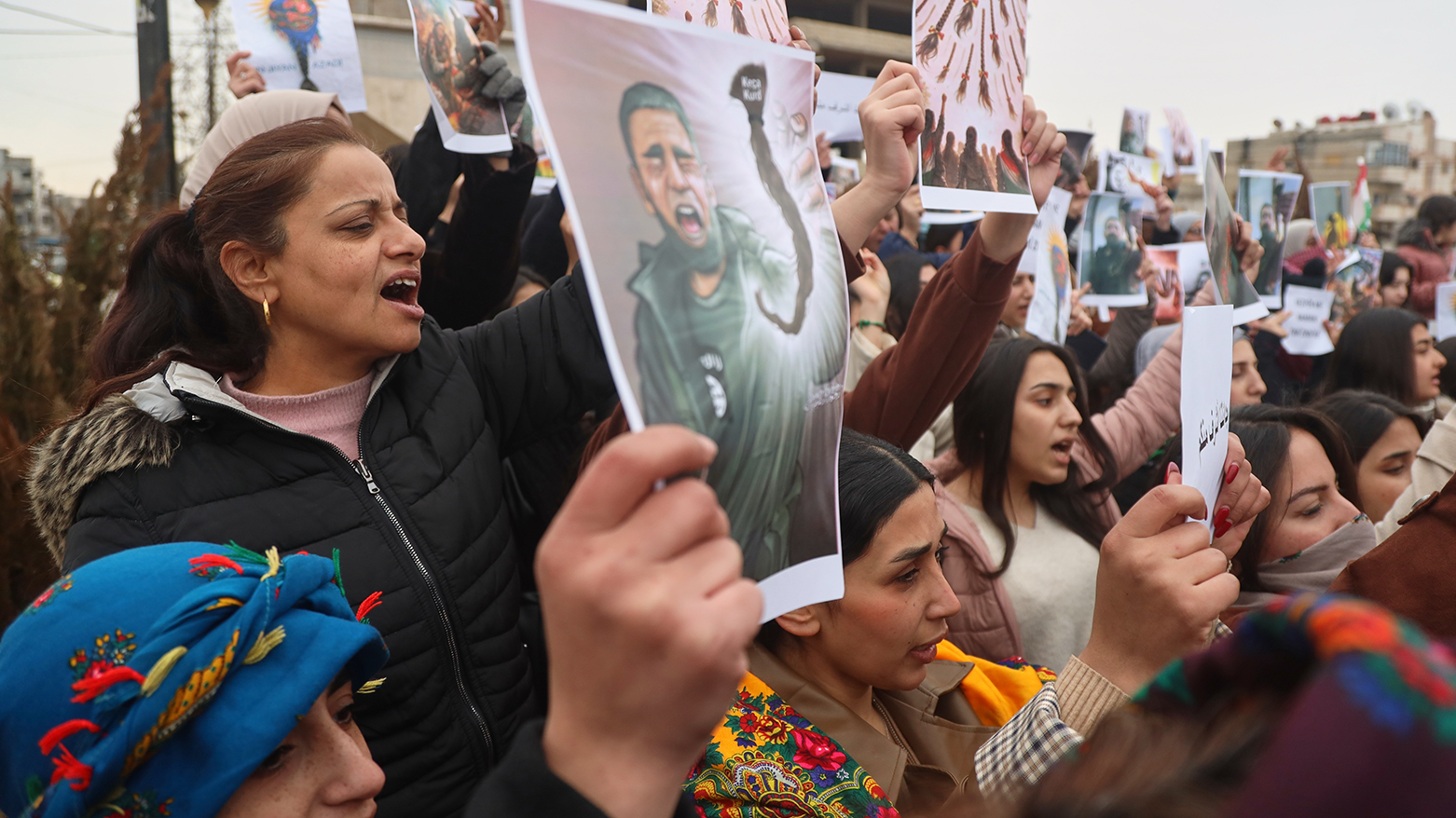
ERBIL (Kurdistan24) – Farhad Shami, the spokesperson for the Syrian Democratic Forces (SDF), released a detailed dossier and graphic video evidence on Friday accusing the Syrian Arab Army and affiliated paramilitary groups of committing extensive war crimes against the civilian population in northeast Syria over the past 17 days.
The release, which includes footage of the burning of mutilated bodies and recorded threats of beheading, comes amid a rapidly deteriorating security situation and warnings from international observers that escape routes for civilians are being systematically cut off.
In a series of statements published on the social media platform X on Friday, Jan. 23, 2026, Shami presented what he described as documented evidence of "grave violations" committed during the ongoing military campaign. He characterized the materials as a "clear breach of all humanitarian and international laws and norms."
Addressing journalists and human rights workers directly in a late Friday update, Shami released specific footage purportedly showing factions affiliated with the Damascus government burning human remains. "The initial footage shows these factions burning bodies that have been severely mutilated," Shami wrote in the post.
He noted that the disfigurement of the victims was so extreme that "making it difficult at this stage to determine whether they belong to fighters or civilians," a fact he cited as reflecting an "extreme level of brutality and disregard for human life."
Furthermore, the spokesperson highlighted additional scenes from the released evidence that depicted the "torture of a fighter and threats of beheading by these factions." He issued a warning regarding the content, stating, "We draw your attention to the fact that the footage presented is graphic and deeply disturbing."
Presented here is documented evidence of war crimes committed by the Syrian army within less than 17 days of its ongoing military campaign against the civilian population. This constitutes only a limited sample, as numerous additional violations are occurring without… pic.twitter.com/ghtjL4lEE6
— Farhad Shami (@farhad_shami) January 23, 2026
A Pattern of Alleged Atrocities
The release of this specific footage complements a broader dossier Shami published earlier on Friday, which lists 51 specific incidents that reportedly occurred within less than three weeks.
Shami characterized this evidence as merely a "limited sample," asserting that numerous additional violations are currently taking place without documentation or international monitoring due to the intensity of the conflict and the lack of independent access to the front lines.
The dossier categorizes a wide array of alleged atrocities, ranging from the targeting of medical infrastructure to field executions and the collaboration of state forces with extremist elements. A focal point of the allegations concerns the siege of the Khaled Fajr Hospital in the Sheikh Maqsud neighborhood of Aleppo.
According to the documents, the hospital was placed under siege for three days, leaving wounded civilians, soldiers, and medical staff with only drinking water before the facility was subjected to heavy shelling and attacks by drones.
The report further alleges that gas canisters were dropped by drones on the neighborhood, leading to reported cases of suffocation among those sheltering in the facility.
The dossier also details graphic instances of physical abuse that align with the later video release. Item 36 of the document alleges that members of the Syrian regime carried out field executions and were filmed stomping on the victims.
Other entries describe the desecration of corpses, specifically noting the abuse of the body of a female SDF fighter who was reportedly thrown from a building in Aleppo.
The document cites an independent rights group calling for a probe into these specific abuses.
Furthermore, the SDF alleges that injured or deceased individuals were dragged through the streets, and corpses were thrown from heights onto vehicles, acts intended to humiliate the local population.
Links to Extremist Ideology
A significant portion of the evidence presented by Shami attempts to link the attacking forces with extremist ideology.
The cover letter of the dossier asserts that the acts have been perpetrated by forces affiliated with the Syrian regime, including "extremist elements led by Jolani and ISIS militants."
The document lists instances where the ISIS flag was raised in Sheikh Maqsud and alleges that regime members were observed wearing ISIS insignia.
Item 50 of the evidence list cites documented admissions by factions affiliated with Damascus acknowledging that they deliberately breached prison facilities to facilitate the release and escape of Islamic State operatives.
Video footage referenced in the dossier purportedly shows the "joy" of Syrian government forces upon entering the al-Hol camp, which the SDF claims signifies the release of ISIS members and their families.
The allegations extend to sexual violence and sectarian harassment. The dossier claims that Kurdish civilian girls have been captured and subjected to obscene language, with some referred to as "sex slaves."
Additionally, the report documents a hate campaign involving sectarian slurs, where civilians and prisoners are referred to as "pigs" and "atheists," and women are insulted under the pretext that they are combatants.
Strategic Isolation and Humanitarian Crisis
The release of these allegations coincides with a stark warning from the Kurdish Peace Institute regarding the physical isolation of the region. Megan Bodette, the institute’s Director of Research, reported from Qamishlo on Friday regarding the precarious security situation as a ceasefire deadline approached.
Bodette warned that armed forces appear intent on severing critical transit corridors linking Western Kurdistan (Rojava) to the Kurdistan Region of Iraq.
Specifically, she noted fears among the populace that the road between Qamishlo and Derik could be cut, a move that would prevent civilians from crossing borders in the event of an emergency or disaster.
Bodette’s assessment highlights that the military campaign targets the "last part of their autonomy and self-administration in Syria." This encirclement strategy is already evident in Kobani, where the Syrian Arab Army is reportedly advancing toward the city.
According to previous reports, Kobani is completely besieged, with civilians trapped without access to electricity, water, or the internet. Mustafa Sheikh Muslim, a lawyer residing in the city, told Kurdistan24 that the situation is at its "worst," with forces actively preventing the delivery of humanitarian aid despite no official ban being announced.
The humanitarian crisis has been exacerbated by severe winter conditions, with heavy snowfall and freezing temperatures depleting stocks of fuel, medicine, and baby formula.
The population of the besieged areas has swollen with the arrival of thousands of displaced persons from other conflict zones, such as Ain Issa and Girê Spî, placing an unsustainable burden on dwindling resources.
Elham Ahmad, the Head of Foreign Relations for the Autonomous Administration of North and East Syria, issued a public message on Friday crediting the support of the Kurdish diaspora as a "true line of defense" against what she termed the threat of genocide.
Her statement underscores the reliance of the administration on international advocacy as physical defenses on the ground are eroded by the Syrian military's advance.
Despite the grim reports from the ground, there are indications of high-level diplomatic activity aimed at resolving the crisis. President Masoud Barzani recently confirmed a meeting in Erbil involving SDF Commander Mazloum Abdi, U.S. Special Envoy Tom Barrack, and U.S. Central Command Commander Admiral Brad Cooper.
While these talks reportedly resulted in "positive steps" toward stability, the expiration of the ceasefire deadline and the SDF’s publication of war crimes allegations suggest a volatile environment where diplomatic progress has yet to translate into security for the civilian population.