BCF Scales Up Relief Operations in Rojava Amid Mass Displacement and Diaspora Tensions
The Barzani Charity Foundation has delivered aid to 57,955 people in Rojava, while Erbil has collected 261 million dinars. In Belgium, Antwerp's mayor agreed to meet Kurds following a knife attack during a protest supporting Rojava.
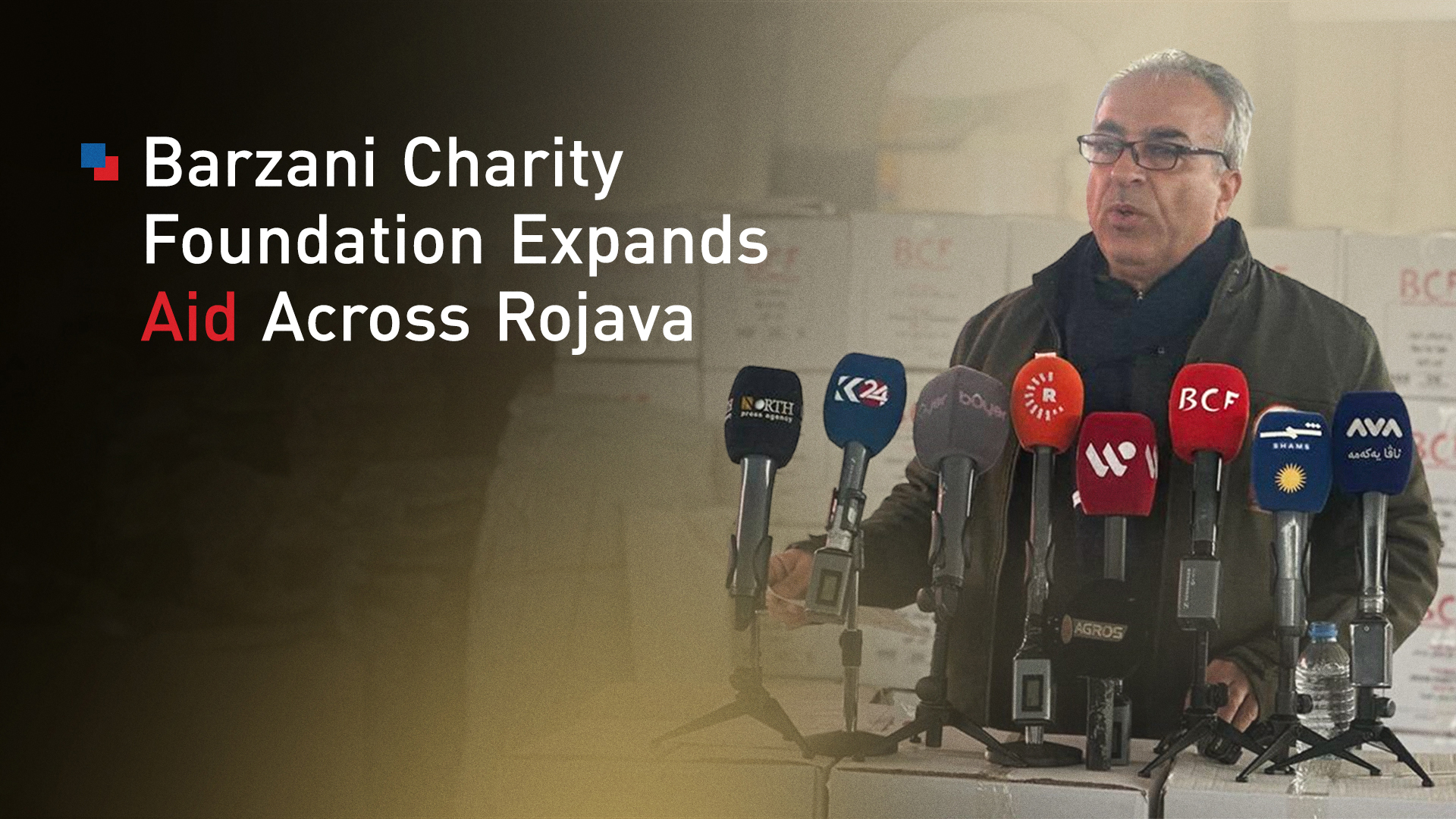
ERBIL (Kurdistan24) - The Barzani Charity Foundation (BCF) announced a significant expansion of its humanitarian operations in Western Kurdistan on Tuesday, reporting that 165 trucks of essential supplies have reached the region to assist tens of thousands of civilians affected by recent instability.
Musa Ahmad, the President of the Barzani Charity Foundation (BCF), provided the updated figures during a press conference held in the Syrian city of Qamishlo, outlining a multi-sectoral response that includes the distribution of food, medical care, and fuel to a population currently contending with a severe winter season and widespread displacement.
According to the latest statistics released by the foundation on Jan. 27, 2026, the relief effort is being managed by a workforce of 115 BCF employees divided into 12 specialized field teams. These teams are operating across several urban centers and towns, including Qamishlo, Amuda, Girkê Legê, Derik, Tirbespi, and Derbasiya.
Ahmad stated that the foundation’s assistance has targeted critical needs in the sectors of education, health, and general livelihood, with current data indicating that 9,180 families—representing a total of 57,955 individuals—have benefited from the aid distributed to date.
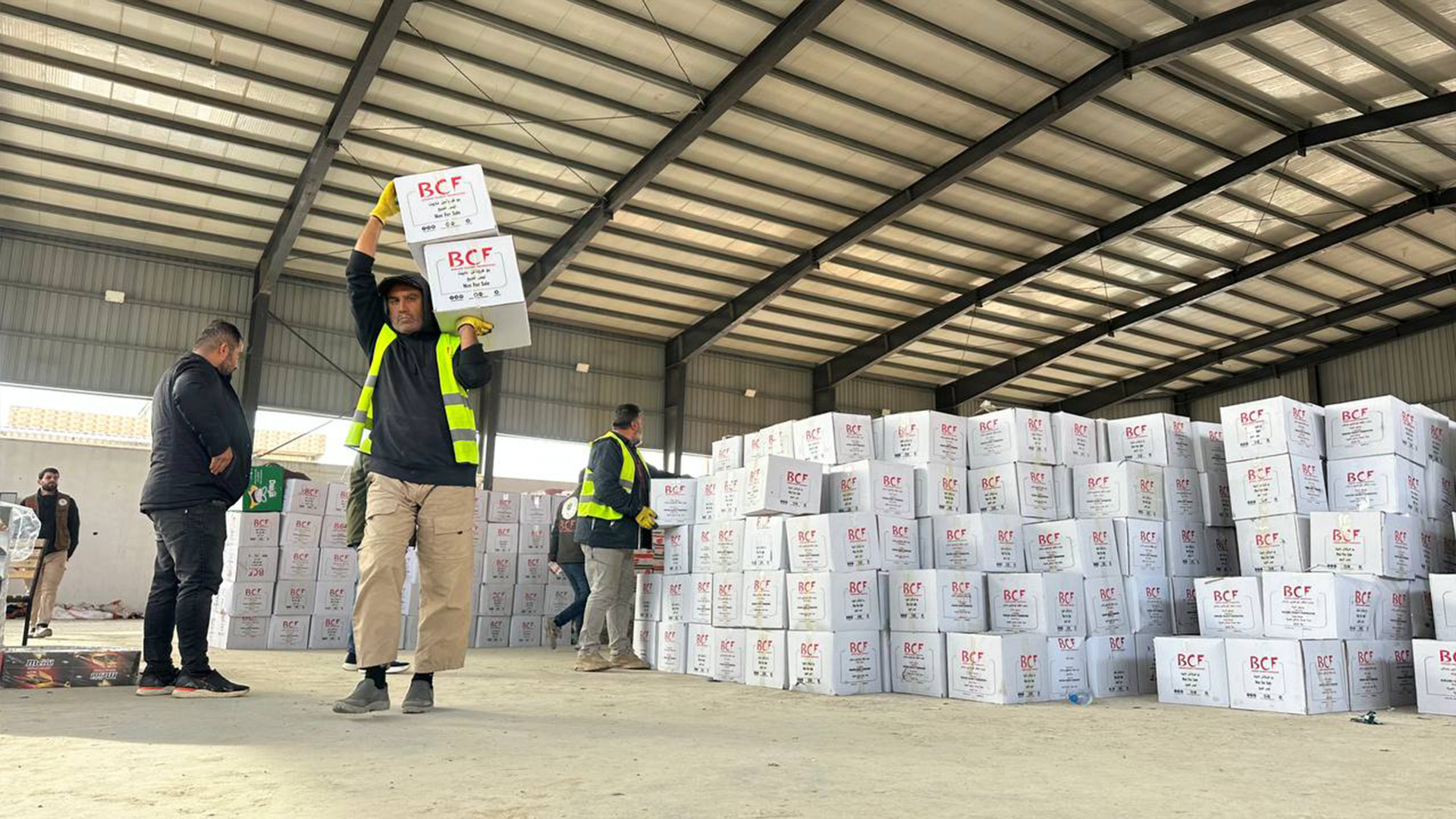
The humanitarian shipments consist of 22 different categories of goods, ranging from nutritional supplies to winter essentials such as mattresses and blankets. A primary focus of the foundation’s logistics has been the stabilization of regional infrastructure, with aid being distributed across 82 different schools.
In the energy sector, the BCF has provided 145,177 liters of diesel and kerosene to ensure heating for 108 schools and eight mosques. Nutrition remains a priority as well; foundation records show that 9,330 hot meals have been served in 15 schools and three mosques, with plans established to sustain the distribution of an additional 3,000 meals on a daily basis.
The BCF medical and volunteer groups have also seen a high volume of activity, providing clinical treatment to 2,749 individuals. These healthcare services have been primarily delivered through mobile units visiting 34 schools that are currently serving as makeshift shelters for displaced populations.
Beyond immediate relief, Ahmad noted that the foundation has integrated an economic component into its mission, securing temporary employment for 289 local residents involved in the delivery and distribution process.
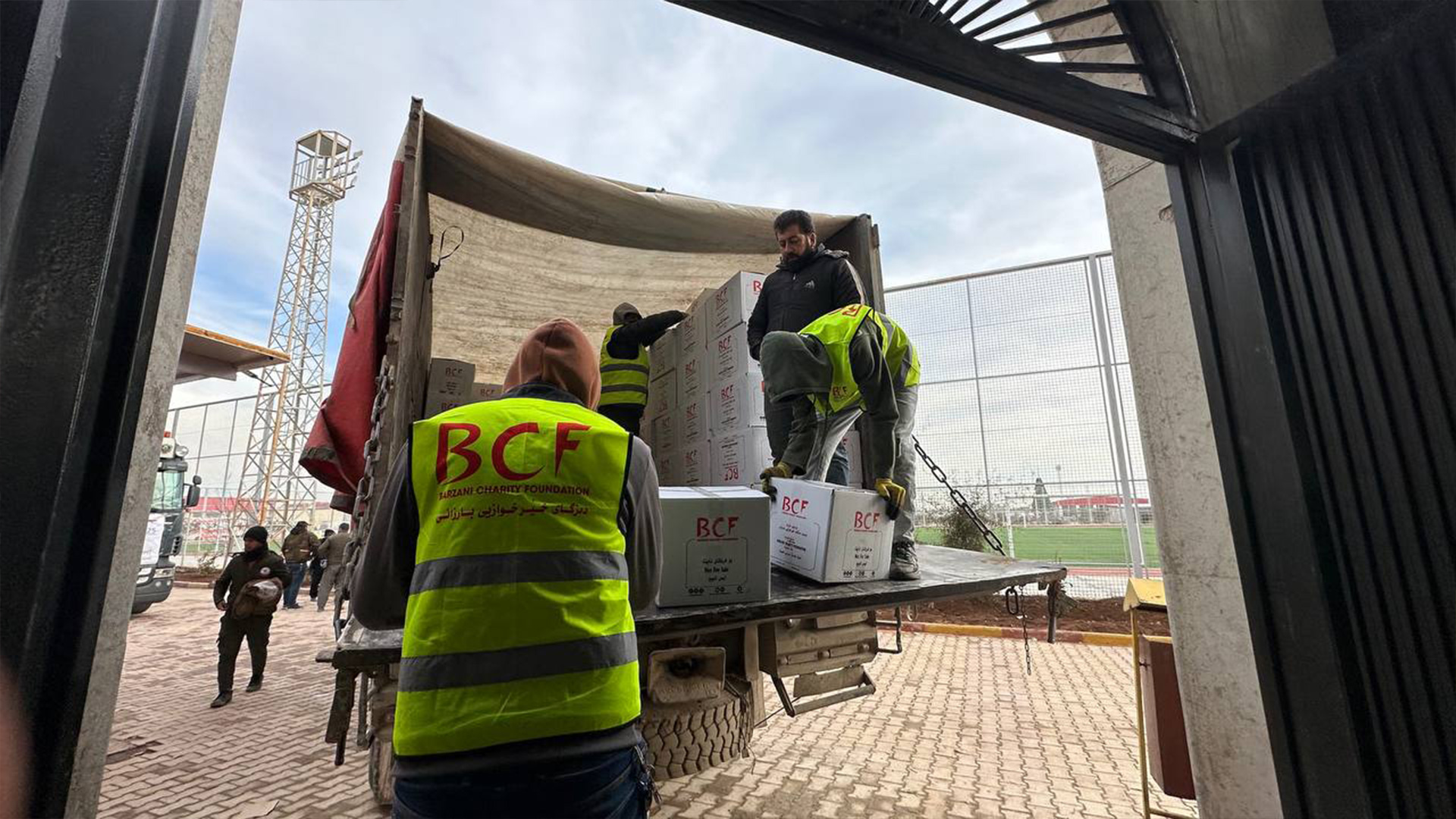
The foundation characterized the ongoing campaign as a fulfillment of its national and humanitarian obligations toward those affected by the deteriorating situation in northern Syria.
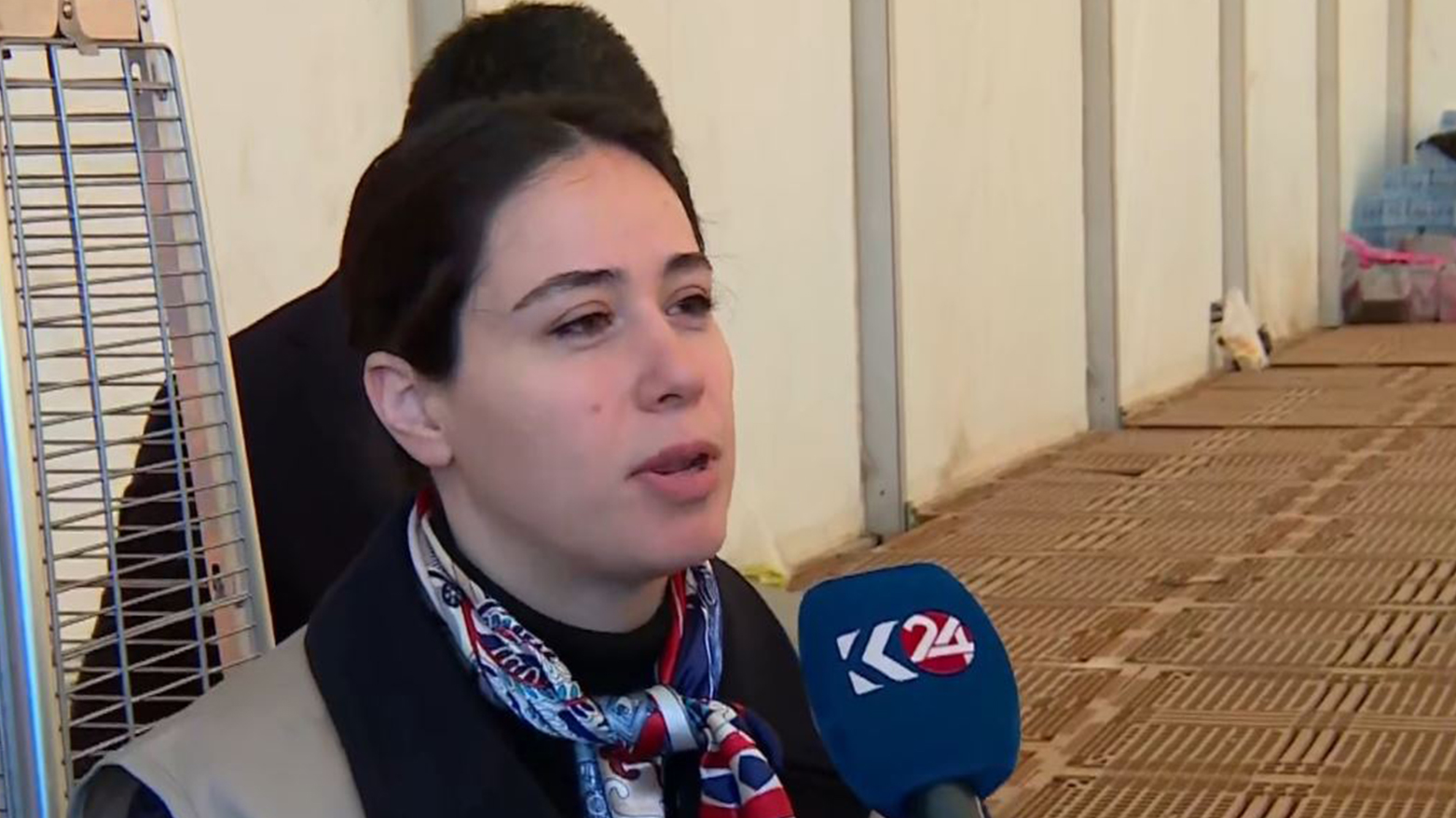
Parallel to the operations within Syria, a large-scale collection campaign continues in the Kurdistan Region of Iraq. Naz Jalal, the Director of the Erbil Governorate Crisis Center (EGCC), reported on Tuesday that the initiative has generated substantial support during its first six days.
Speaking to Kurdistan24, Jalal disclosed that 44 trucks of donated goods have been gathered alongside 261 million Iraqi dinars in financial contributions from citizens of all ages.
Jalal emphasized the urgency of the collection effort, citing the extreme cold currently affecting the border regions. She issued an appeal for additional winter supplies, specifically blankets and warm clothing, as well as a continued need for food items and infant formula.
The Erbil Governorate Crisis Center noted that its teams are working from early morning until late at night to process donations, with the campaign scheduled to continue for several more days to maximize the volume of aid sent to Rojava.
While humanitarian efforts accelerate in the Middle East, the Kurdish diaspora in Europe is grappling with rising security concerns and a perceived lack of political support from local authorities.
In the Belgian city of Antwerp, the Kurdish community has expressed significant frustration with the municipal administration following a violent incident last week. On Friday, a knife attack targeted a group of Kurdish protesters, resulting in six injuries, two of which were initially classified as critical.
According to a report by the Belgian newspaper De Standaard, the Antwerp Public Prosecutor's Office confirmed on Saturday the arrest of two individuals, aged 18 and 33, on suspicion of attempted murder.
While attendees at the gathering alleged a political or terrorist motive—claiming one attacker carried a Syrian flag—the prosecutor stated that there are currently no indications to justify terrorism charges. The investigation remains ongoing under strict secrecy protocols.
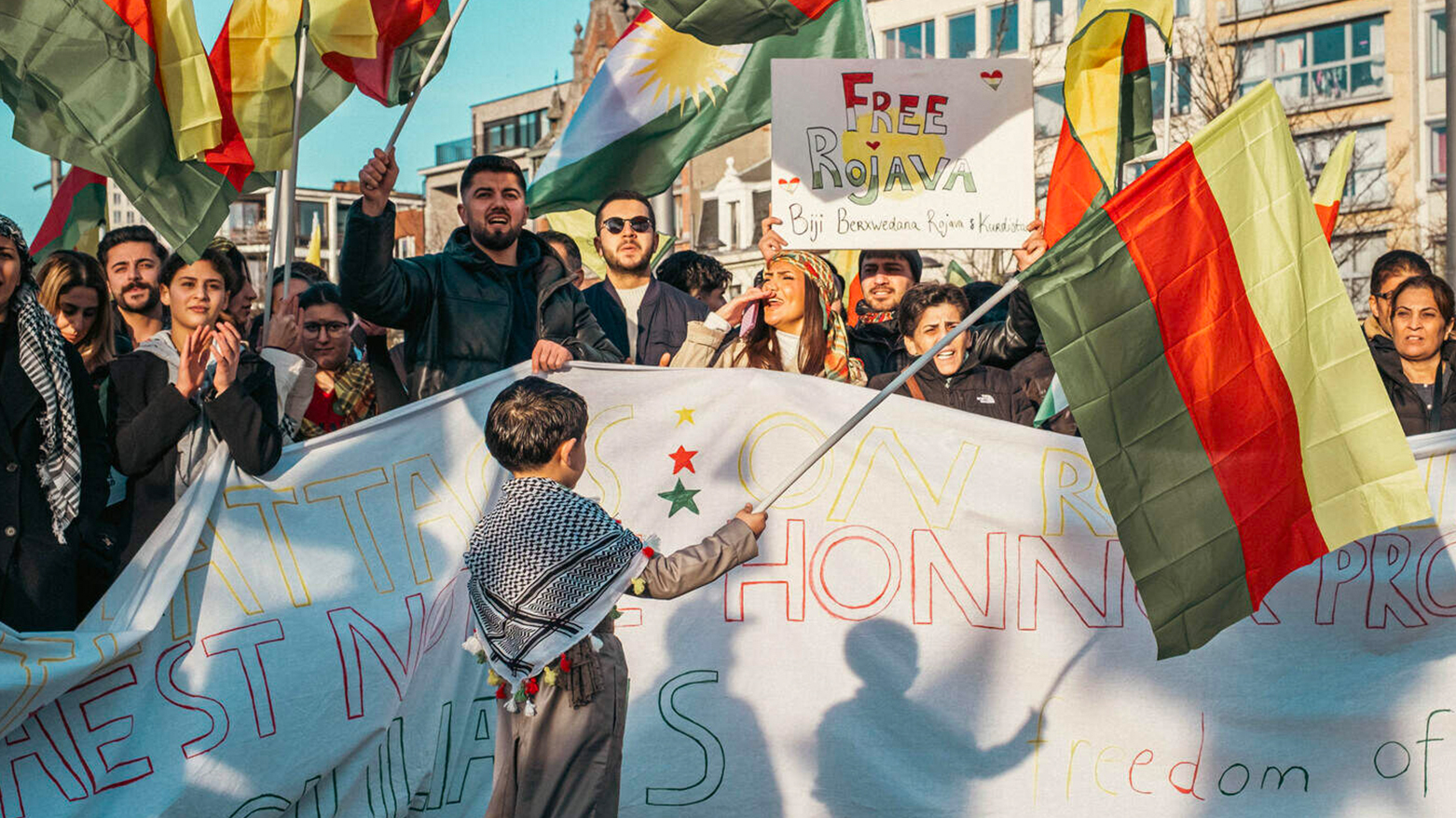
The judicial handling of the case and the initial silence of the city’s leadership sparked a mass demonstration on Saturday, where more than a thousand protesters took to the streets of Antwerp. Participants provided their own security through 50 volunteers in yellow vests, supplemented by a significant police presence.
Mazloum Kiliç, one of the organizers, criticized the municipality for what he described as a double standard in its response to communal violence.
"If such an attack had occurred at a protest by the Jewish or Ukrainian communities, they would certainly have been present there," Kiliç said. He questioned whether the city administration undervalued the Kurdish community, which numbers more than 10,000 in Antwerp.
The public pressure appears to have prompted a shift in the city's stance.
It was confirmed on Tuesday that Els van Doesburg, representing the Antwerp city administration, has agreed to receive a delegation of Kurdish community representatives in her office next week to address their security concerns.

The convergence of these reports highlights a multi-front crisis for the Kurdish people. While the Barzani Charity Foundation and the Erbil Governorate Crisis Center manage a massive logistical response to displacement and environmental hardship in Syria, the diaspora in Europe is increasingly mobilizing to demand safety and political recognition in the face of cross-border ethnic tensions.
The extension of the regional ceasefire for another month provides a window for these humanitarian missions to proceed, but as the BCF statistics suggest, the scale of the need continues to grow as displacement figures approach the 150,000 mark.