UNHCR’s Spokesperson to Kurdistan24: Kobani is facing an extremely dire humanitarian situation
UNHCR spokesperson Rula Amin told Kurdistan24 that Kobani is facing an extremely dire humanitarian situation, with severe shortages of water, food, electricity, and heating, while aid access remains uncertain amid ongoing security challenges.
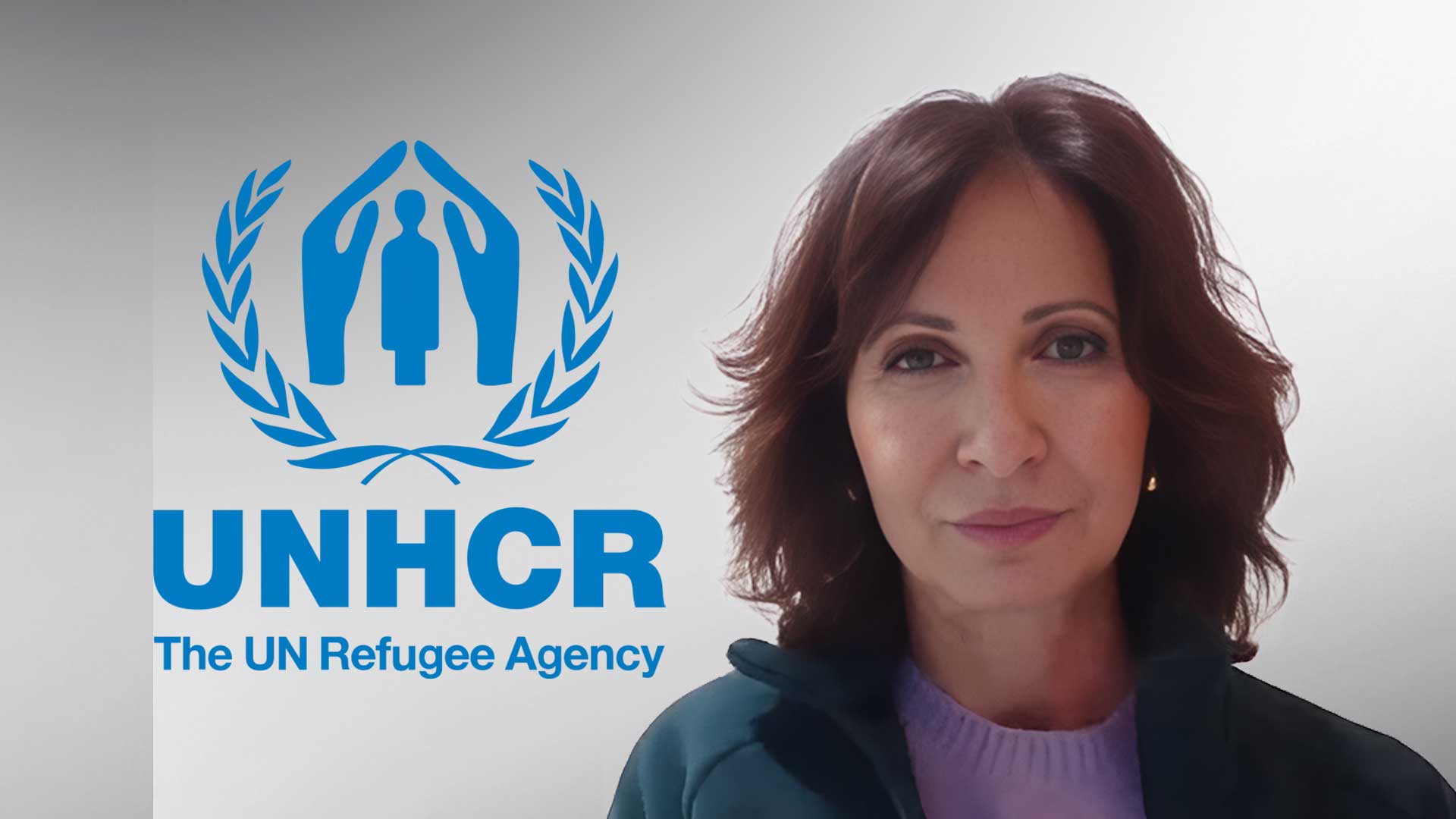
ERBIL (Kurdistan24) - Kobani is enduring extremely harsh humanitarian conditions, with residents deprived of water, food, electricity, and basic services, according to Rula Amin, spokesperson for the Regional Bureau of the UN High Commissioner for Refugees (UNHCR) for the Middle East and North Africa, who warned that urgent humanitarian access remains blocked despite mounting needs.
In an exclusive interview with Kurdistan24, Amin described the situation inside Kobani as “very difficult,” stressing that severe obstacles continue to prevent the delivery of essential services and humanitarian assistance to civilians trapped inside the city.
She confirmed that Kobani is experiencing a complete electricity outage, a shutdown of internet services, and acute shortages of food and potable water, emphasizing that residents are in urgent need of immediate humanitarian intervention.
Amin said:
“Yes, the situation is very difficult in Kobani and Ain al-Arab—both names are used. There are, of course, very significant needs inside the city and the area. There is an internet blackout, a power outage, and there is a need for water and food. There are twenty-four UN trucks waiting to supply residents with some relief items, food, winter heating materials, and essential assistance. These are all extremely necessary for those who are there. We must also remember that some of those trapped there are displaced people. They are not originally from this area; they fled there in search of safety and security over the past two weeks following clashes in other regions.”
She explained that many of those now trapped in Kobani are internally displaced persons who fled suddenly and arrived with nothing, placing them in a position of extreme vulnerability.
“They are displaced, and now it feels as though they are stuck by mistake. They have urgent needs. UN organizations, including UNHCR, are working with all parties, including the Syrian authorities, to secure safe corridors for humanitarian workers so they can reach everyone in Syria who needs assistance at this time—and they are many. But this need is urgent: ensuring security and continuity for humanitarian workers so they can reach those in need.”
Amin noted that, as of now, the awaited aid convoy has not yet reached the city.
“Honestly, until now, we cannot confirm that these trucks have reached the area to provide residents with what they need—food, medicine, plastic ground sheets. The needs are immense. We hope this will not be the last time these trucks are able to arrive. I do not want to speculate. The focus has been on getting the aid through. Information from colleagues on the ground about the exact conditions and needs is still coming in.”
She stressed that the key priority is ensuring that humanitarian access is not a one-time event.
“What matters most is that this convoy must not be the last one. We are calling on and working with all parties, including the Syrian government, so humanitarian organizations can access this area and meet the growing needs. Conditions are extremely difficult. We must remember that we are going through a very harsh winter—there is snow, there is severe cold. Blankets are needed, mattresses are needed, food is needed, winter clothing is needed, water is needed. These are all basic necessities.”
Amin emphasized that security is the most critical requirement, particularly for civilians living in conflict zones.
“Security and safety are the most important demands for all Syrians, especially those living in areas of clashes and fighting. There must be serious efforts by all parties inside Syria, and by all countries with influence over what is happening in Syria, to reach understandings, to achieve a ceasefire, to end these battles and this fighting. At the same time, there must be avoidance of targeting civilians, and there must be safe routes to reach civilians and everyone in need of assistance.”
She underscored that protecting civilians and ensuring access to them is a legal obligation.
“We always remind all parties that reaching civilians, meeting their needs, and shielding them from the effects of fighting and war is stipulated in international law and must be respected by all parties.”
Amin said Syrians across all communities are exhausted after years of conflict and are yearning for stability.
“Syria has endured a great deal over the past years. Syrians of all backgrounds long for security, safety, and civil peace. There is an opportunity to rebuild Syria. Everyone needs this opportunity to overcome the losses and suffering Syrians have endured over the years. As I said earlier, security and safety are the greatest demands of civilians, and there must be commitment to this.”
She highlighted that, beyond supplies, the most urgent requirement is guaranteeing safe access for aid delivery.
“All the items mentioned are needed, but the most important need is to secure safe access routes to deliver all this assistance, regardless of who donates or provides it. We always say that we try to help everyone in need in Syria. We always ask the international community to provide resources and funding so we can do so. But as you know, there has been a shortage of funding for humanitarian organizations over the past two years.”
Amin added that individual and community donations remain vital but insufficient without access.
“Every donation is important to help those who need support and life-saving assistance. But the most important thing is to be able to deliver this aid and ensure safe corridors for humanitarian workers. That is the basic condition for us and for anyone trying to help to be able to reach those in need.”
She said UNHCR hopes the current convoy will mark the beginning of sustained access.
“We hope that today’s convoy is a good sign and that it indicates there will be other convoys. We hope that everyone cooperates, including the Syrian government and Syrian authorities, who cooperated and played a key role in securing this convoy and its entry. As UNHCR does everywhere we operate, communication with local authorities is always the best way to secure these routes and this assistance.”
Amin stressed the need to prioritize humanitarian access above all else.
“We urge all parties with influence, authority, and decision-making power to give priority to delivering humanitarian assistance to populations who need it. The situation is extremely difficult, and there must be collective efforts to deliver aid. Most importantly, security must be provided, fighting must be avoided, and clashes must be prevented, because this is the primary demand of everyone trapped in conflict areas.”
She described the situation in northeastern Syria as highly complex, even before the recent escalation.
“Access to this area has always been difficult due to the complexity of the security situation. The security situation on the ground remains difficult and sensitive. Any attempt to deliver aid requires extensive preparation, coordination, and encouragement of all parties to cooperate to ensure assistance reaches those who need it. What arrived today is good, but it is not enough. We need many more such convoys to meet people’s needs.”
Amin said many of those trapped are displaced families who fled suddenly.
“Some of those there are displaced persons who fled and left their homes. They carried nothing with them. They may not have been able to take money or even basic clothing. Now they are stuck in an area that is itself difficult to access. This is why we must keep repeating this message to all parties: spare civilians from fighting, protect their security, and ensure aid reaches them. This must be a vital priority in all communications and decisions.”
She noted that displacement has spread across northeastern Syria, with families scattered across multiple locations, including Hasakah and Qamishlo, while others were unable to reach safer areas due to insecurity and road closures.
“Every displaced family is a family at risk. Every displaced family is a family in need of assistance, and this assistance must be provided to all who need it.”
Amin pointed to the broader scale of displacement across Syria.
“The Syrian crisis has displaced more than twelve million people. At various times, more than six million Syrian refugees were outside the country, and today there are around seven million internally displaced inside Syria. Tragically, many are forced to move from place to place, fleeing more than once.”
She said recent changes have created a potential opportunity to address displacement, but only if stability is achieved.
“There is an opportunity to end the Syrian displacement crisis, but this requires stability, security, and safety for everyone. Syrians have great hopes of returning, rebuilding their lives, ending crises, wars, and clashes. The region does not need more wars.”
Amin concluded by reiterating that humanitarian organizations will continue doing everything possible, but access and security remain decisive.
“We promise that we are doing everything we can, with all available means and channels, not only to secure funding and assistance but also to urge all parties to enable us to work on the ground. We call on all parties to join efforts to stop the fighting and secure a dignified, safe, and stable life for everyone. We always demand the avoidance of targeting civilians and the securing of routes so humanitarian organizations can reach those in desperate need, especially displaced people and those trapped in areas of fighting or complex security conditions.”
As winter deepens and humanitarian needs intensify, UNHCR warns that Kobani’s crisis cannot be alleviated without sustained ceasefire commitments, guaranteed security, and continuous humanitarian access, stressing that civilian protection and aid delivery must take precedence over all other considerations.