Mexico’s Oil to Cuba in Limbo as U.S. Pressure Mounts Over Havana Ties
Amid Trump’s relentless push to isolate Cuba, Mexico halts crude shipments in a politically fraught decision.
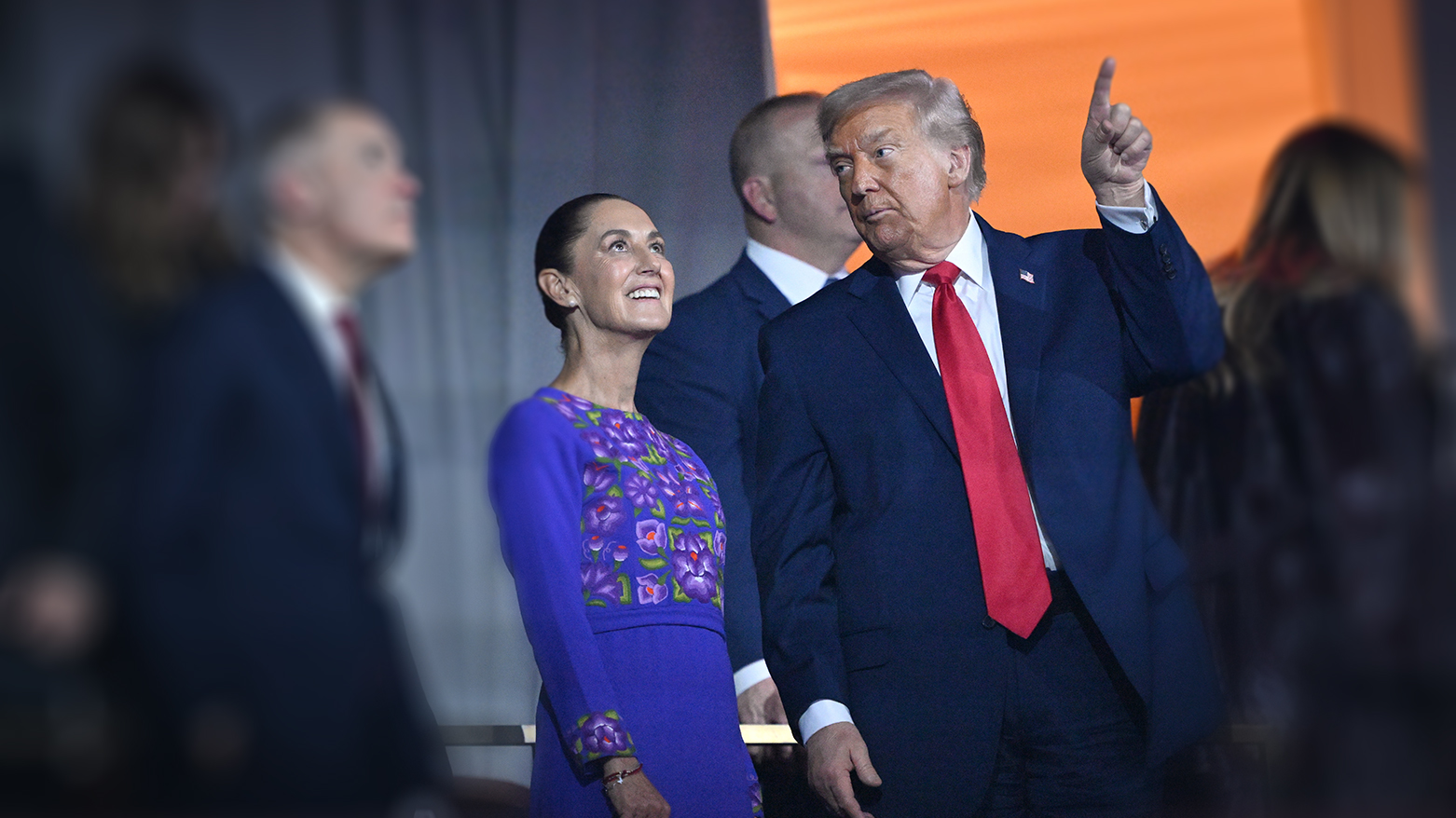
ERBIL (Kurdistan24) — Mexican President Claudia Sheinbaum said Tuesday that her government has at least temporarily paused oil shipments to Cuba—an ambiguous move that comes as U.S. President Donald Trump intensifies pressure on Mexico to distance itself from the Cuban government and align more closely with Washington’s regional strategy.
Sheinbaum insisted the decision by state oil company Pemex to suspend deliveries was a “sovereign decision” and reflected contractual and logistical factors rather than explicit U.S. pressure, even as Trump’s rhetoric and actions signal growing demands for Mexico to curtail support for Havana.
“Pemex makes decisions in the contractual relationship it has with Cuba,” Sheinbaum said during a morning briefing in Mexico City. “Suspending is a sovereign decision and is taken when necessary.”
Trump has publicly called for Mexico to reduce its engagement with the Cuban government as part of a broader U.S. strategy to isolate Havana and undercut allies of the island’s leadership.
The U.S. president has openly declared that Cuba’s government is on the brink of collapse and that there will be “no more oil shipments” to the island, framing it as part of Washington’s tough stance following a U.S. military operation that ousted Venezuelan President Nicolás Maduro.
Although U.S. officials have not formally demanded Mexico halt oil shipments, Trump’s sustained pressure on Mexico over multiple fronts—including trade negotiations, security cooperation, and cartel enforcement—places heavy political and diplomatic weight on Mexico’s policy choices.
Mexico recently extradited dozens of suspected cartel members at Washington’s request, a move Sheinbaum described as “sovereign and autonomous,” even as Trump has threatened military measures against Mexican drug cartels.
Cuba is entrenched in a deep energy and economic crisis, heavily dependent on foreign oil since U.S. sanctions and the collapse of Venezuelan shipments. After Venezuela’s contributions dried up amid the U.S. blockade and Maduro’s removal, Mexico became a crucial supplier, shipping thousands of barrels per day under long-term arrangements.
In 2025, Mexico exported roughly 17,200 barrels of crude and 2,000 barrels of petroleum products per day to Cuba through Pemex, although satellite-based tracking indicated shipments fell to around 7,000 barrels daily after a senior U.S. official’s visit to Mexico.
The suspension of a scheduled January shipment—reported by Bloomberg and acknowledged implicitly by Mexico—has sparked concern in Havana, where fuel shortages already led to prolonged power blackouts and long waits at gas stations.
Analysts say Sheinbaum is “walking a tightrope” between Mexico’s historic solidarity with Cuba and the pressing diplomatic and economic realities of its relationship with the United States.
Mexico has not clarified whether future shipments will resume, maintaining that such decisions fall under national sovereignty and adhere to contractual commitments with Pemex.
Despite the reported halt, Sheinbaum reiterated Mexico’s ongoing support for Havana while avoiding details on the nature and extent of future aid. “Mexico will continue to show solidarity with Cuba,” she said, without outlining specific measures.
In Cuba, ordinary citizens already feel the uncertainty. At gas stations in Havana, drivers waited in long lines to fill up, expressing anxiety over the future of fuel supplies. For many residents, even a brief disruption in oil deliveries translates directly into hardships in daily life.
“That’s going to affect us a lot more now,” said Rolando Graña, a 40-year-old airport employee, as he spent hours seeking fuel.
As Trump continues to pressure Mexico on both trade and regional geopolitical issues, observers expect U.S. demands to escalate further, particularly regarding Cuba and cooperation in combating drug cartels—issues that could shape Mexico’s foreign and domestic policy choices in the months ahead.