Gold Hits Record Near $5,600, Reacting to Escalating Rhetoric from Washington
Heightened U.S. pressure and war rhetoric stoke investor unease, driving safe-haven demand, lifting gold and oil, and putting pressure on currencies and equities globally.
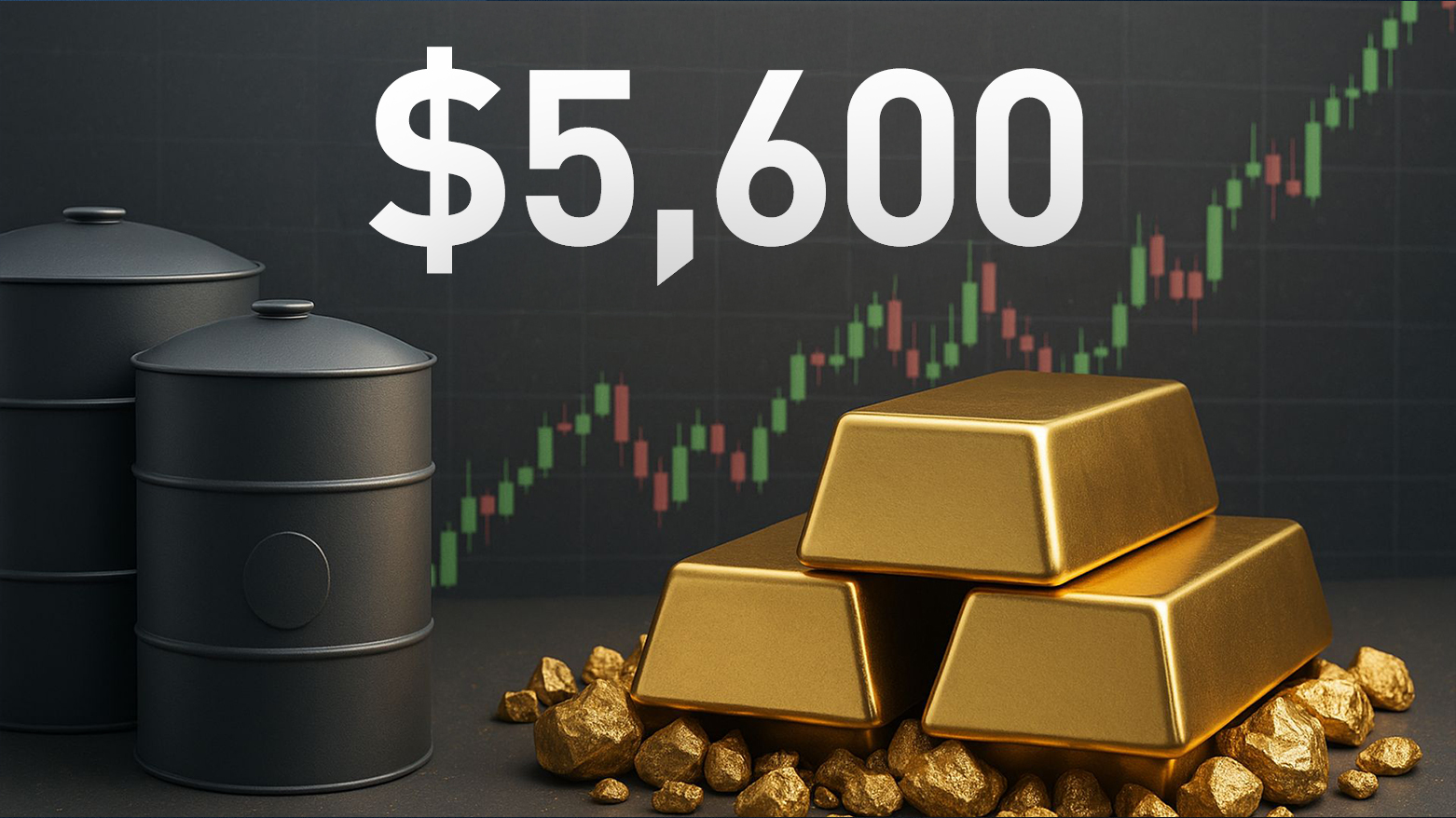
ERBIL (Kurdistan24) — Gold prices surged to a fresh all-time high near $5,600 on Thursday, while oil prices rallied sharply, as heightened geopolitical tensions and confrontational rhetoric from U.S. President Donald Trump pushed investors toward safe-haven assets and rattled global markets.
Bullion jumped more than $300 at one point to peak above $5,595, extending a powerful rally that also saw silver reach a new record. The move was reinforced by a weaker U.S. dollar, amid speculation that the White House is comfortable with a softer greenback and growing expectations that U.S. interest rates will eventually move lower.
Market participants largely shrugged off an uneventful policy announcement from the Federal Reserve, instead focusing on Trump’s increasingly assertive foreign policy stance and the prospect that his forthcoming pick to replace Fed Chair Jerome Powell could usher in a more dovish monetary era.
The latest surge followed Trump’s warning that Tehran must urgently negotiate over its nuclear program, which Western powers believe is aimed at developing an atomic bomb. In a post on his Truth Social platform, Trump urged Iranian leaders to “come to the table” and agree to a deal that ensures “NO NUCLEAR WEAPONS,” warning that “time is running out.”
Analysts said the surge in gold reflects deeper concerns beyond short-term volatility. Stephen Innes described bullion’s rally as a signal of eroding confidence rather than a traditional inflation hedge.
“After blowing through $5,500 in early Asia, bullion is no longer trading like a commodity. It is trading like a referendum—on trust,” Innes wrote. “Gold is the inverse of confidence. When belief in policy coherence weakens, gold ceases to behave like a hedge and instead acts as an alternative.”
Oil markets also reacted strongly, with prices rising nearly two percent on supply concerns linked to the mounting tensions. U.S. benchmark West Texas Intermediate climbed to its highest level since September, while Brent crude touched levels not seen since July.
Equity markets in Asia were mixed. Hong Kong, Shanghai, Singapore, and Seoul advanced, while Tokyo ended flat. Sydney, Wellington, Taipei, and Mumbai slipped, and Manila fell after data showed the Philippine economy grew last year at its slowest non-pandemic pace since 2011.
Jakarta plunged as much as eight percent, triggering a temporary trading halt, after index compiler MSCI urged regulators to examine ownership concerns. Stocks later recovered some ground but remained sharply lower.
MSCI also said it would delay adding Indonesian stocks to its indexes or increasing their weighting, fueling fears of a potential downgrade that could trigger capital outflows.
“I think this sharp downward pressure may last one or two days,” said Hans Kwee, an analyst at PasarDana. “Then next week the market should be more normal.”
The dollar remained under pressure despite Treasury Secretary Scott Bessent reiterating Washington’s “strong dollar policy,” a day after Trump appeared to welcome recent currency weakness. Meanwhile, investors are increasingly focused on who Trump will nominate to lead the Federal Reserve when Powell steps down in May.
“The big focus will remain on the announcement of the new Fed chair,” analysts at Allspring Global Investments said, noting expectations that a more dovish successor could shape markets in the months ahead.
In China-related markets, Hong Kong-listed property stocks surged after reports that Beijing may ease strict borrowing curbs imposed on developers. Shares of troubled firms jumped sharply, with Country Garden, Sunac, and Agile Group posting double-digit gains, offering rare relief to a sector still weighed down by a prolonged debt crisis.