Starmer and Xi Push for Deeper UK-China Partnership Amid Global Uncertainty
Starmer’s visit follows those of leaders from South Korea, Canada, and Finland, with German Chancellor Friedrich Merz expected next month, as Trump’s shifts in global trade heighten the urgency for U.S. allies to diversify partnerships.
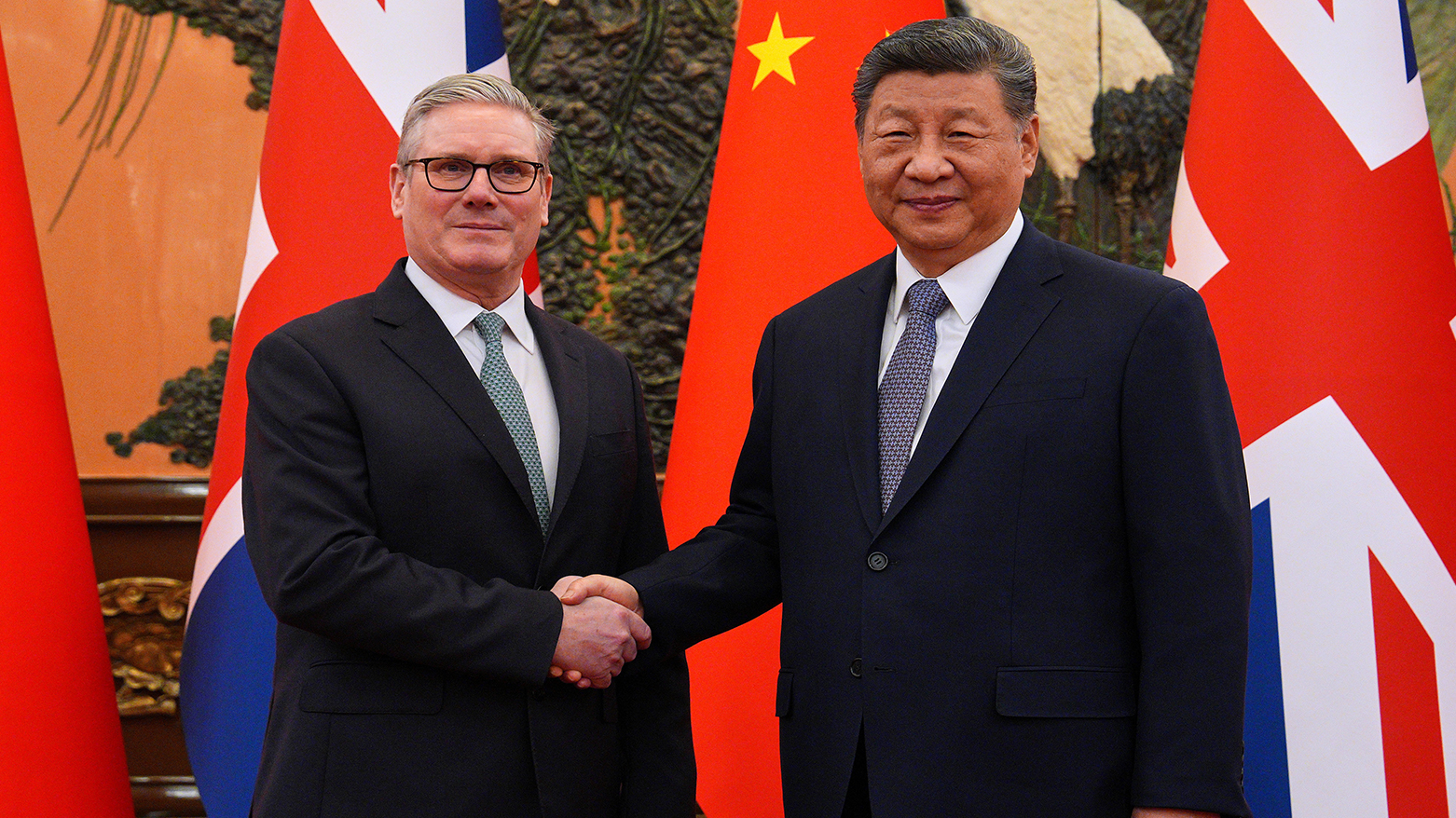
ERBIL (Kurdistan24) — British Prime Minister Keir Starmer and Chinese President Xi Jinping on Thursday called for a “comprehensive strategic partnership” to strengthen ties between their nations, signaling an effort to expand economic and diplomatic engagement at a time of rising global uncertainty.
The two leaders met in the Great Hall of the People in central Beijing, marking the first visit by a British prime minister to China in eight years. While neither leader explicitly mentioned U.S. President Donald Trump, his challenges to the post-Cold War global order framed much of the discussion.
“I think that working together on issues like climate change, global stability during challenging times for the world is precisely what we should be doing as we build this relationship in the way that I’ve described,” Starmer said in opening remarks to Xi.
Xi acknowledged past tensions, noting that bilateral relations had “experienced setbacks in previous years, which were not in the interests of either country.” He emphasized the need for closer dialogue and cooperation to maintain international peace and stability.
Xi also appeared to address criticisms of Starmer’s outreach, including the U.K.’s approval of a controversial Chinese embassy in London.
“Good things often come with difficulties… leaders will not shy away from difficulties and will forge ahead bravely,” Xi said.
Starmer stressed the importance of balancing diplomacy with national security. “I made a promise 18 months ago when we were elected into government, that I would make Britain face outward again,” he said, highlighting the economic and security impacts of international events on everyday life.
The prime minister has faced domestic challenges in delivering economic growth and addressing a cost-of-living crisis, making expanded trade and investment opportunities a priority.
More than 50 top British business executives and leaders of cultural organizations accompanied Starmer on the trip as the government seeks to boost commercial engagement in China.
Among the agreements expected to be signed during the visit is a joint effort to disrupt the trade in Chinese boat engines used by smugglers to transport people across the English Channel, with U.K. law enforcement working alongside Chinese authorities and manufacturers.
Starmer’s visit comes as Trump’s disruptions to global trade have increased the urgency for U.S. allies to diversify partnerships. The U.K. follows leaders from South Korea, Canada, and Finland in visiting Beijing this month, with German Chancellor Friedrich Merz expected next month.
Observers say the visit underscores Britain’s delicate effort to balance national security and human rights concerns with the economic imperative of expanding trade, investment, and strategic influence amid a shifting global order.