Iran Says U.S. Naval Deployments Will Not Affect Its Nuclear Policy
Foreign Minister Araghchi says naval presence will not influence Iran’s stance on uranium enrichment after Oman talks.
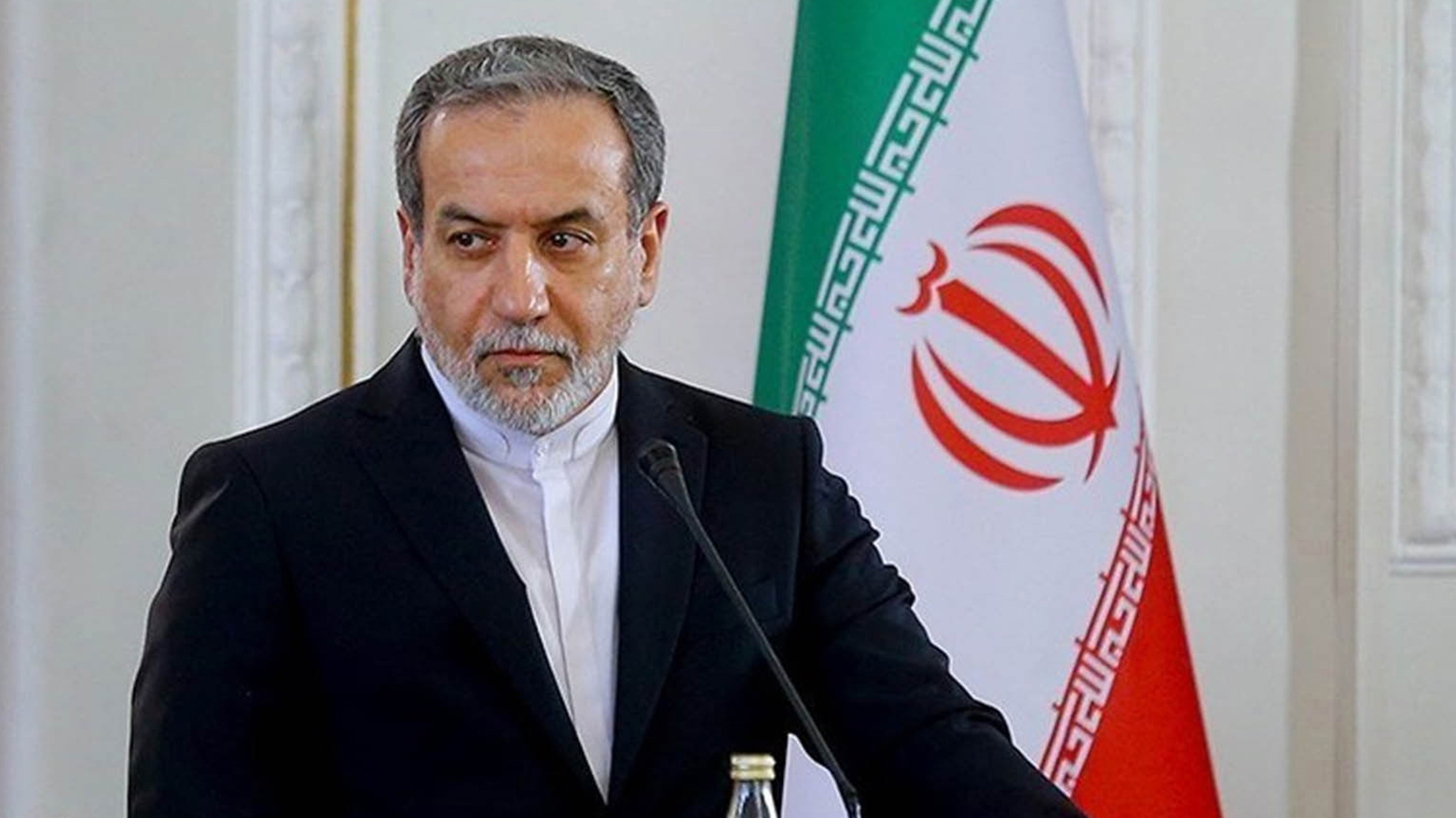
ERBIL (Kurdistan24) — Iran’s Foreign Minister Abbas Araghchi said on Sunday that Tehran is not intimidated by the United States’ increased naval presence in the Gulf, reaffirming that Iran will not relinquish its right to enrich uranium despite mounting pressure from Washington.
Speaking two days after talks with U.S. envoy Steve Witkoff in Oman, Araghchi dismissed the significance of recent American military movements in the region, including a visit by Witkoff to the U.S. aircraft carrier Abraham Lincoln.
“Their military deployment in the region does not scare us,” Araghchi said, signaling Iran’s resolve amid heightened tensions following renewed diplomatic engagement between Tehran and Washington.
Speaking at a forum in Tehran, the Iranian foreign minister adopted a defiant tone on the nuclear issue, stating that Iran would never surrender its uranium enrichment program, even if conflict were imposed on the country.
“Iran has paid a very heavy price for its peaceful nuclear program and for uranium enrichment,” Araghchi said. “Why do we insist so much on enrichment and refuse to give it up even if a war is imposed on us? Because no one has the right to dictate our behavior.”
Araghchi added that Tehran has reasons to question whether the United States is genuinely committed to resolving the ongoing crisis through negotiations.
Speaking at a forum in Tehran attended by AFP, Araghchi pointed to Washington’s continuation of sanctions and recent military deployments as factors that “raise doubts about the other party’s seriousness and willingness to engage in meaningful talks.”
He added that Iran is “closely monitoring developments, evaluating all signals, and will determine whether to proceed with the negotiations.”
The comments underline Iran’s firm position following the Oman talks, which both sides have publicly described as constructive, even as fundamental disagreements persist over Iran’s nuclear activities and the framework of any potential future agreement.
Iran’s uranium enrichment program has long been at the center of tensions with the United States and its allies, particularly since Washington withdrew from the 2015 Joint Comprehensive Plan of Action (JCPOA) in 2018 and reinstated sweeping sanctions on Tehran.
Iran, while insisting its nuclear program is exclusively peaceful, has gradually expanded enrichment levels and reduced compliance with parts of the agreement in response to sanctions pressure.
The United States, meanwhile, has maintained a strong military posture in the Gulf, citing the need to protect shipping lanes and deter regional threats. U.S. aircraft carrier deployments are frequently viewed by Tehran as instruments of political pressure rather than purely defensive measures.
Oman has historically played a key mediating role between Iran and the United States, hosting both secret and formal talks during periods of heightened tension. The recent meeting between Araghchi and Witkoff in Muscat is widely seen as part of renewed efforts to manage the nuclear dispute and prevent further escalation, even as both sides continue to signal red lines.
Araghchi’s remarks reflect Tehran’s broader strategy of coupling openness to diplomacy with a firm rejection of coercion, emphasizing sovereignty, treaty-based rights under the Nuclear Non-Proliferation Treaty, and resistance to what Iranian officials describe as pressure-driven negotiations.