Iran Rejects Threat-Based Diplomacy, Pezeshkian Says After Oman Talks
President hails Iran–U.S. nuclear discussions as constructive step, reiterates commitment to peaceful dialogue.
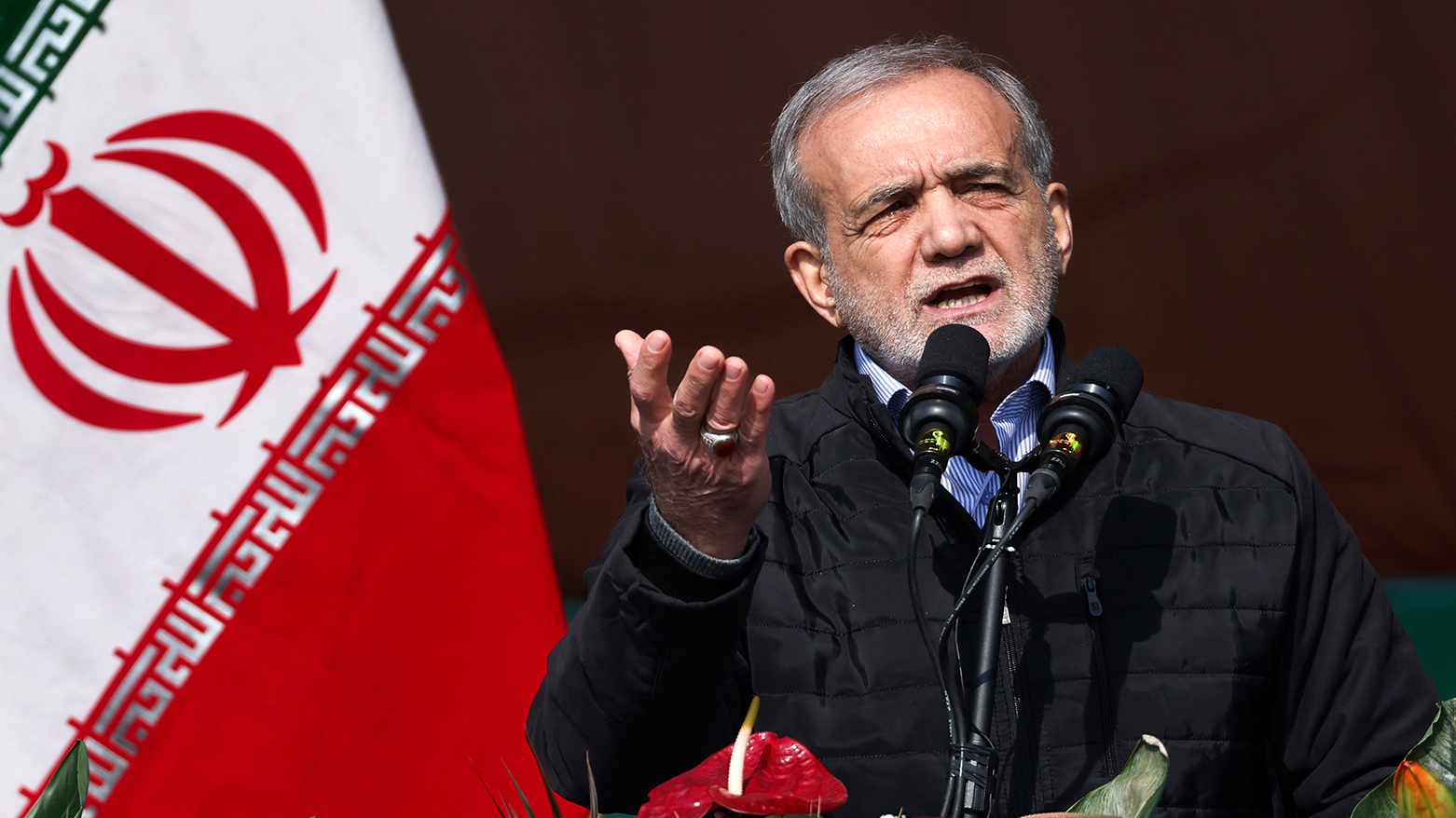
ERBIL (Kurdistan24) — Iranian President Masoud Pezeshkian said on Sunday that Tehran does not accept the language of force or threats, underscoring Iran’s long-standing position that disputes must be resolved through respectful and peaceful dialogue.
Speaking on Sunday, Pezeshkian’s remarks came after U.S. President Donald Trump described the Iran–U.S. talks held last Friday in Muscat, Oman, as “positive.” Pezeshkian responded by stressing that “the Iranian people respond to respect with respect and do not accept the language of threats or coercion.”
The Iranian president reiterated that the negotiations with Washington over the nuclear file represented a step forward, emphasizing that dialogue has consistently been Iran’s strategic choice for addressing disagreements in a non-confrontational manner.
Pezeshkian also reaffirmed Tehran’s legal position on the nuclear issue, stating that Iran’s approach is grounded in the rights enshrined in the Nuclear Non-Proliferation Treaty (NPT), including the right to the peaceful use of nuclear energy.
Iran and the United States held talks on Friday in Oman, a country that has traditionally played a mediating role between the two rivals. Following the conclusion of the meeting, both sides characterized the discussions as positive, signaling cautious optimism despite deep-seated mistrust.
The Muscat talks mark the latest chapter in intermittent diplomatic engagement between Tehran and Washington, aimed at managing tensions over Iran’s nuclear program and broader regional issues.
Relations between the two countries have remained strained since the U.S. withdrawal from the 2015 nuclear deal in 2018 and the subsequent reimposition of sanctions on Iran.
Oman has frequently served as a discreet diplomatic channel between Iran and the United States, hosting back-channel talks that helped pave the way for the original nuclear agreement. The renewed engagement comes amid heightened regional volatility, ongoing sanctions pressure on Iran’s economy, and concerns among global powers about nuclear proliferation and Middle East stability.
Pezeshkian’s comments reflect Tehran’s effort to project openness to diplomacy while firmly rejecting pressure-based negotiations. Iranian officials have repeatedly insisted that any sustainable agreement must respect Iran’s sovereignty and treaty-based rights, a stance that continues to shape the trajectory of talks with Washington.