Iraqi Parliament to Vote on Permanent Committees as Shiite, Sunni, and Kurdish Shares Take Shape
Session to include oath-taking of MPs and vote on forming 25 standing committees amid broader power-sharing arrangements.
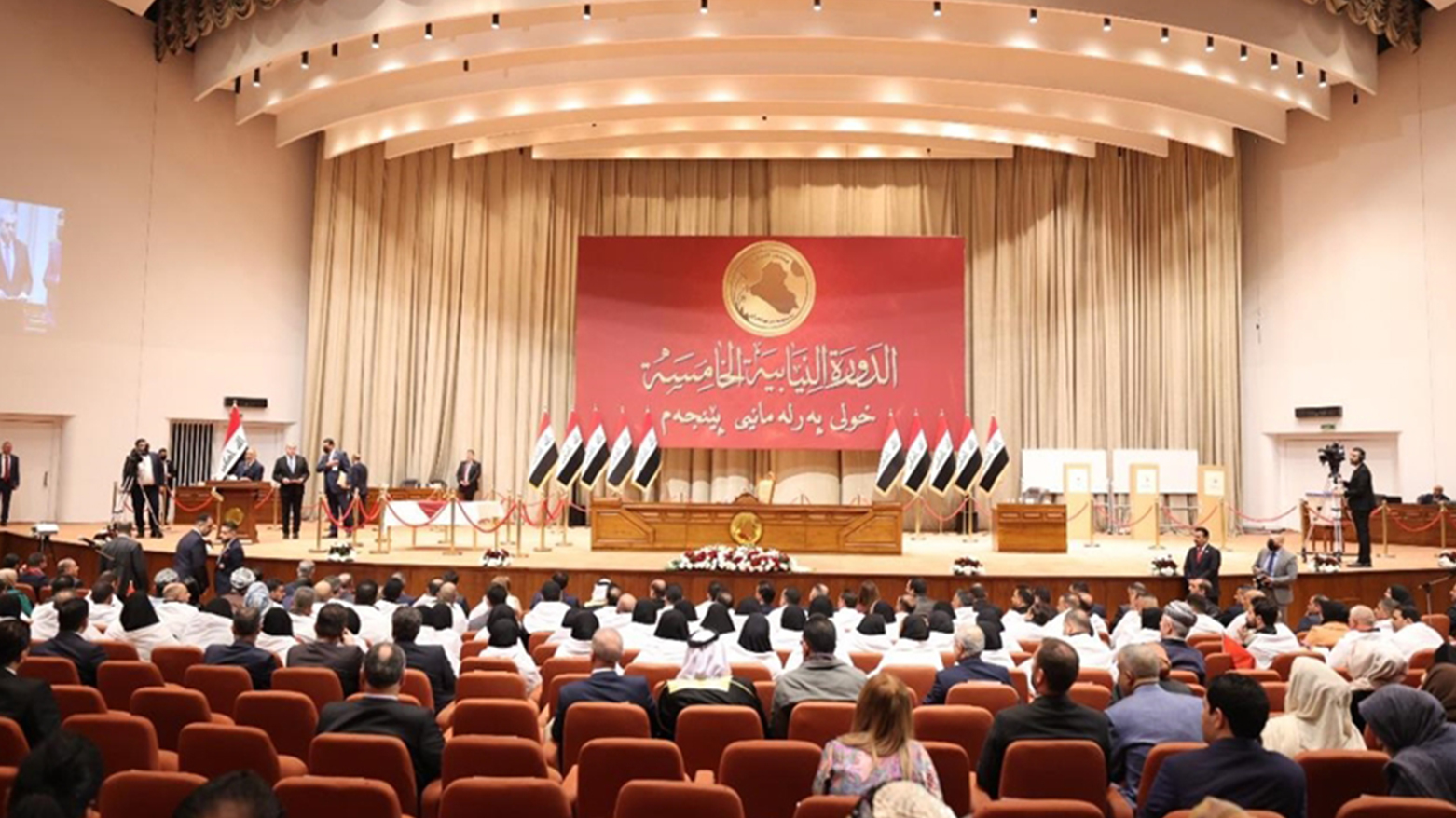
ERBIL (Kurdistan24) — Iraq’s parliament is set to convene on Monday for a key session that will include a vote on the formation of its permanent committees, a crucial step in organizing legislative work during the first term of the sixth parliamentary cycle.
According to a statement issued by the Iraqi Parliament’s media office, the seventh session of the first legislative term will begin at 11:00 a.m. and feature two main agenda items: the swearing-in of several lawmakers and a vote on the formation of the parliament’s permanent committees.
Under the proposed framework, members of parliament will be distributed across 25 standing committees, which play a central role in drafting legislation, overseeing government performance, and shaping parliamentary oversight.
Committee leadership positions—chairs and deputy chairs—are traditionally allocated based on political representation and negotiated power-sharing among Iraq’s major blocs.
Speaking to Kurdistan24, Iraqi MP Sherwan Duberdani of the Kurdistan Democratic Party (KDP) said the Kurdistani factions are expected to secure the chairmanship of three to four permanent committees. In addition, Kurdish blocs are set to obtain first and second deputy chair positions in six to seven other committees.
Duberdani explained that, under the current arrangements, Shiite blocs will chair 11 committees, while Sunni blocs will lead six. The remaining committee leadership positions will be distributed among other political components, reflecting Iraq’s complex ethno-sectarian balance within the legislature.
Permanent committees are widely regarded as the backbone of Iraq’s parliamentary system. Each committee specializes in a specific policy area—such as finance, security, oil and gas, legal affairs, or services—and has significant influence over legislative priorities and government accountability.
Chairing a committee not only grants political leverage but also enables blocs to shape policy debates and protect their constituencies’ interests.
For the Kurdistani blocs, securing multiple committee leadership roles is particularly significant amid ongoing disputes between Erbil and Baghdad over budget allocations, oil and gas management, disputed territories, and public sector salaries.
Kurdish lawmakers have long viewed strong committee representation as a mechanism to advance the Kurdistan Region’s constitutional rights and to influence federal legislation affecting regional autonomy.
The vote on committee formation also comes at a sensitive political moment, as Iraq continues efforts to stabilize its governing institutions following prolonged negotiations over top state positions and policy deadlock.
Establishing functional committees is seen as a prerequisite for accelerating legislative work and addressing pressing economic and governance challenges.
Monday’s session is therefore expected to mark a pivotal step in activating parliament’s institutional machinery, while also underscoring the delicate balance of power among Iraq’s Shiite, Sunni, Kurdish, and other political forces within the legislature.