Japan Revives World’s Largest Nuclear Plant as Energy Strategy Turns Nuclear
The restart ends a 13-year shutdown and marks Japan’s strongest signal yet of a full nuclear comeback.
ERBIL (Kurdistan24) — Japan on Monday restarted the world’s largest nuclear power plant, marking another milestone in the country’s gradual return to atomic energy more than a decade after the Fukushima disaster reshaped its energy policy.
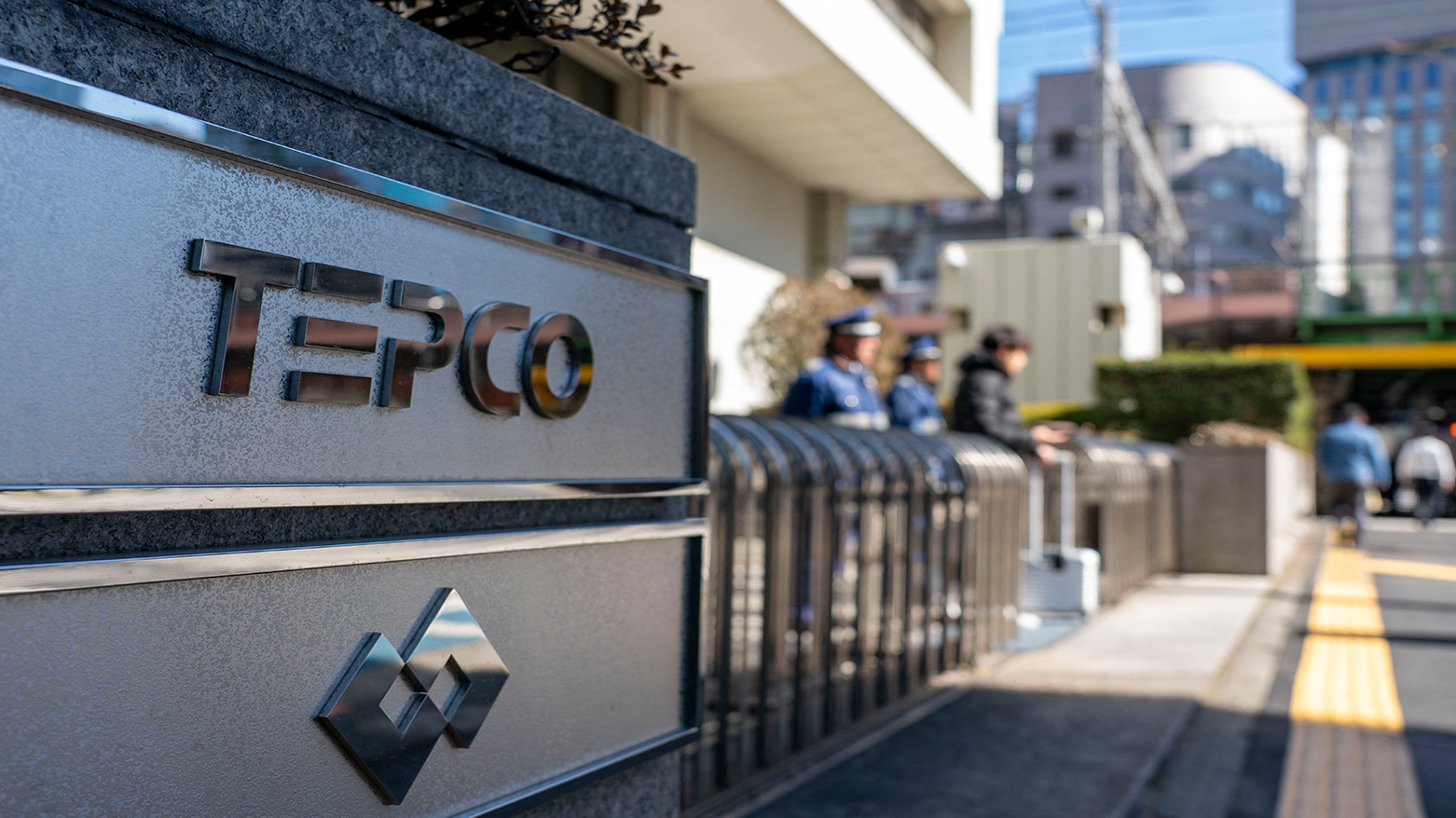
The Kashiwazaki-Kariwa nuclear power station in Niigata Prefecture was switched back on at 2:00 p.m. local time (0500 GMT), its operator Tokyo Electric Power Company (TEPCO) said in a statement. The restart comes after an earlier attempt in January was swiftly suspended due to a minor technical issue.
TEPCO had initially moved to restart one of the plant’s seven reactors on Jan. 21, but operations were halted the following day when an alarm in the monitoring system was triggered. Company officials later explained that the alert detected slight changes in the electrical current of a cable, fluctuations that remained within safety limits. As a precaution, the alarm’s settings were adjusted, and the reactor was cleared as safe to operate.
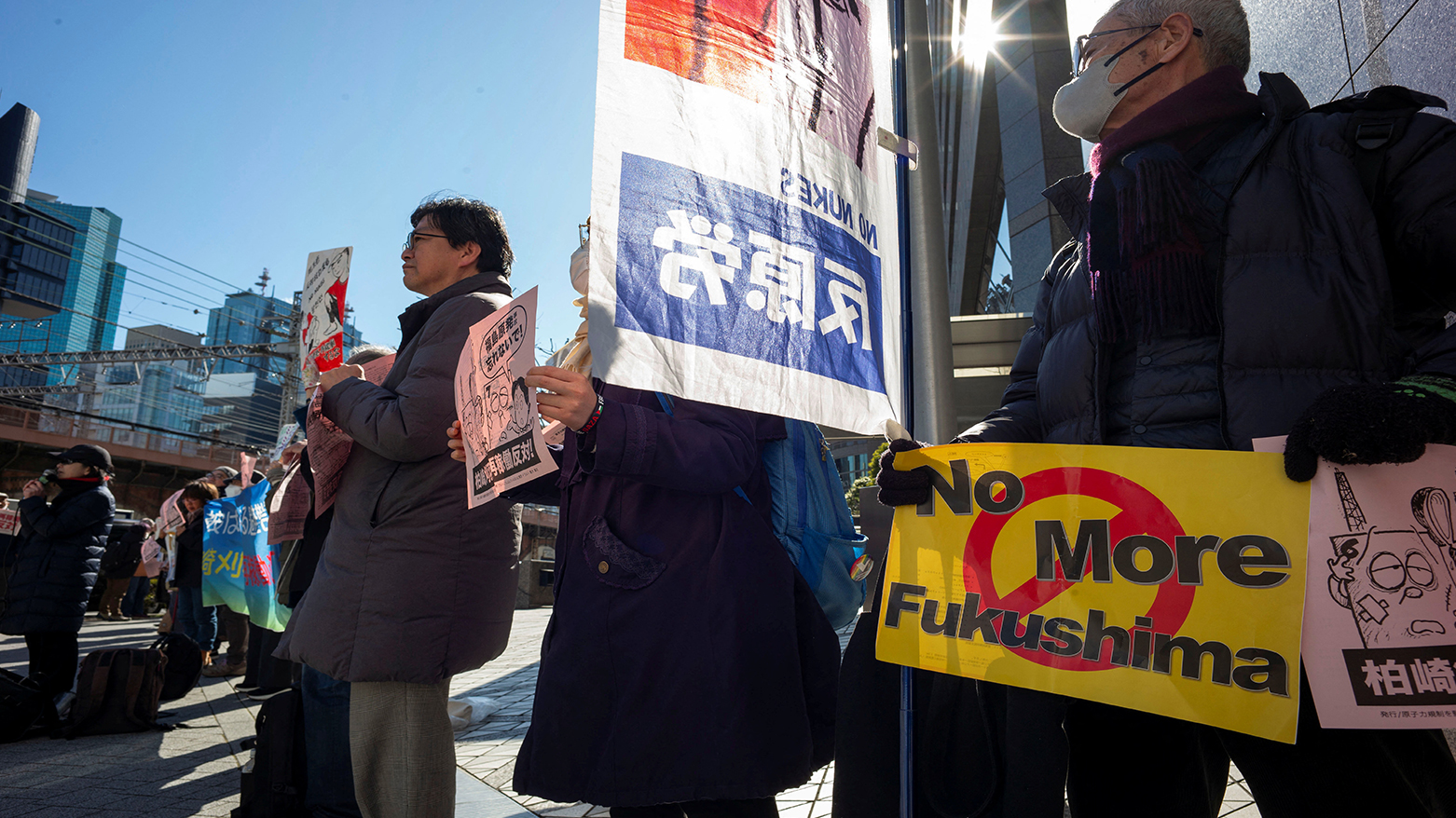
The Kashiwazaki-Kariwa facility has been offline since 2011, when Japan shut down nearly all of its nuclear reactors following the massive earthquake and tsunami that struck northeastern Japan. That disaster led to meltdowns at the Fukushima Daiichi nuclear plant, triggering the worst nuclear crisis since Chernobyl and prompting widespread public opposition to nuclear power.
In recent years, however, Japan has steadily reversed course. Facing rising energy costs, growing electricity demand, and ambitious climate targets, the government has increasingly embraced nuclear power as a key pillar of its energy strategy.
Tokyo aims to achieve carbon neutrality by 2050 and reduce its heavy reliance on imported fossil fuels, particularly liquefied natural gas and coal.
The resurgence of nuclear energy has also been linked to surging power consumption driven by data centers and artificial intelligence technologies, which require stable, large-scale electricity supplies—something nuclear plants can provide more reliably than intermittent renewable sources alone.
Prime Minister Sanae Takaichi, a conservative leader who secured a decisive election victory on Sunday, has been a vocal advocate of nuclear energy. She has argued that restarting reactors is essential to strengthening Japan’s energy security, supporting industrial growth, and maintaining the country’s economic competitiveness in Asia.
According to TEPCO officials, the restarted reactor will undergo further checks before entering full commercial operation. The company said commercial output is expected to begin on or after March 18, following another comprehensive inspection by regulators.
Kashiwazaki-Kariwa, with a total capacity of more than 8,000 megawatts when fully operational, is the largest nuclear power plant in the world by output. Its restart is seen as a significant test case for Japan’s broader nuclear revival, as authorities seek to balance energy security and climate goals with lingering public concerns over safety and transparency.
While opposition to nuclear power remains strong in parts of Japan, the government’s renewed push suggests atomic energy will play an increasingly central role in the country’s energy mix in the years ahead.