Trump Says China, India Welcome in Venezuelan Oil Sector as U.S. Seeks Shared Profits
"We're going to be selling a lot of oil, and we'll take some, and they'll take a lot, and they're going to do very well. They're going to make more money than they've ever made," Trump said.
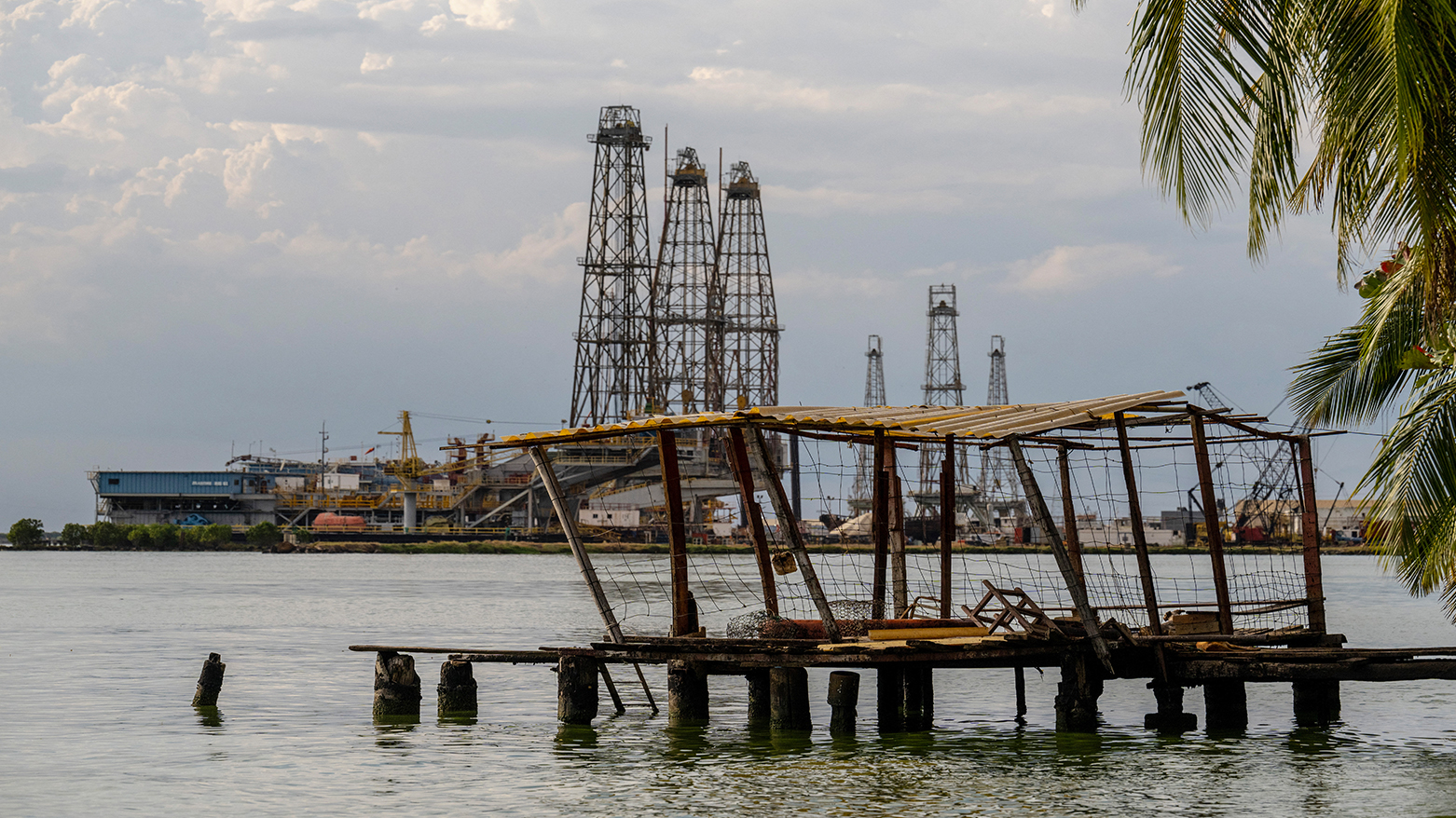
ERBIL (Kurdistan24) — U.S. President Donald Trump said Saturday that the United States would “welcome” Chinese investment in Venezuela’s oil industry and underscored a growing role for India in crude purchases, as Washington seeks to reshape global energy ties following the overthrow of Venezuelan leader Nicolás Maduro.
Trump’s remarks aboard Air Force One framed foreign investment as key to reviving Venezuela’s battered oil-dependent economy and benefiting all parties involved.
“China is welcome to come in and would make a great deal on oil. We welcome China,” Trump told reporters, noting that India had already agreed to an energy cooperation deal to buy Venezuelan oil instead of Iranian crude.
Venezuela holds the world’s largest proven oil reserves and recently reformed its laws to open the sector to private and foreign investment, a dramatic shift from decades of state control under Maduro’s rule.
Those reforms aim to attract capital and expertise needed to restore production levels that have languished due to mismanagement and sanctions.
Trump framed the U.S. role in Venezuela as mutually advantageous, saying Washington and Caracas would “share oil profits” and declaring that both sides were “getting along very well.” He predicted the arrangements would bring unprecedented revenues to Venezuela while also benefiting U.S. energy interests.
Highlighting the broader geopolitical stakes, Trump reiterated that India’s involvement marked a significant shift in energy relationships, with New Delhi poised to buy Venezuelan oil “as opposed to buying it from Iran.”
The president also suggested that the U.S. might pursue a “deal” with Cuba, following earlier threats of tariffs on countries supplying that nation with oil, while portraying potential negotiations as a pathway to greater freedom for Havana.
Trump’s comments come amid ongoing global debates over energy security, sanctions policy, and the strategic importance of Venezuela’s hydrocarbon resources. Nations such as China were previously dominant buyers of Venezuelan oil under Maduro, raising questions about how that dynamic would evolve in the new U.S.-influenced framework.
Analysts say the outreach to China and India reflects Washington’s attempt to balance strategic competition with pragmatic cooperation in a fluid global energy market. Specific terms of investment and profit-sharing agreements, however, remain subject to further negotiation and regulatory approval.