Oil Prices Slide as Trump Signals Openness to Iran Deal
Global markets tumble amid tech selloff, stronger dollar, and renewed volatility across equities and commodities.
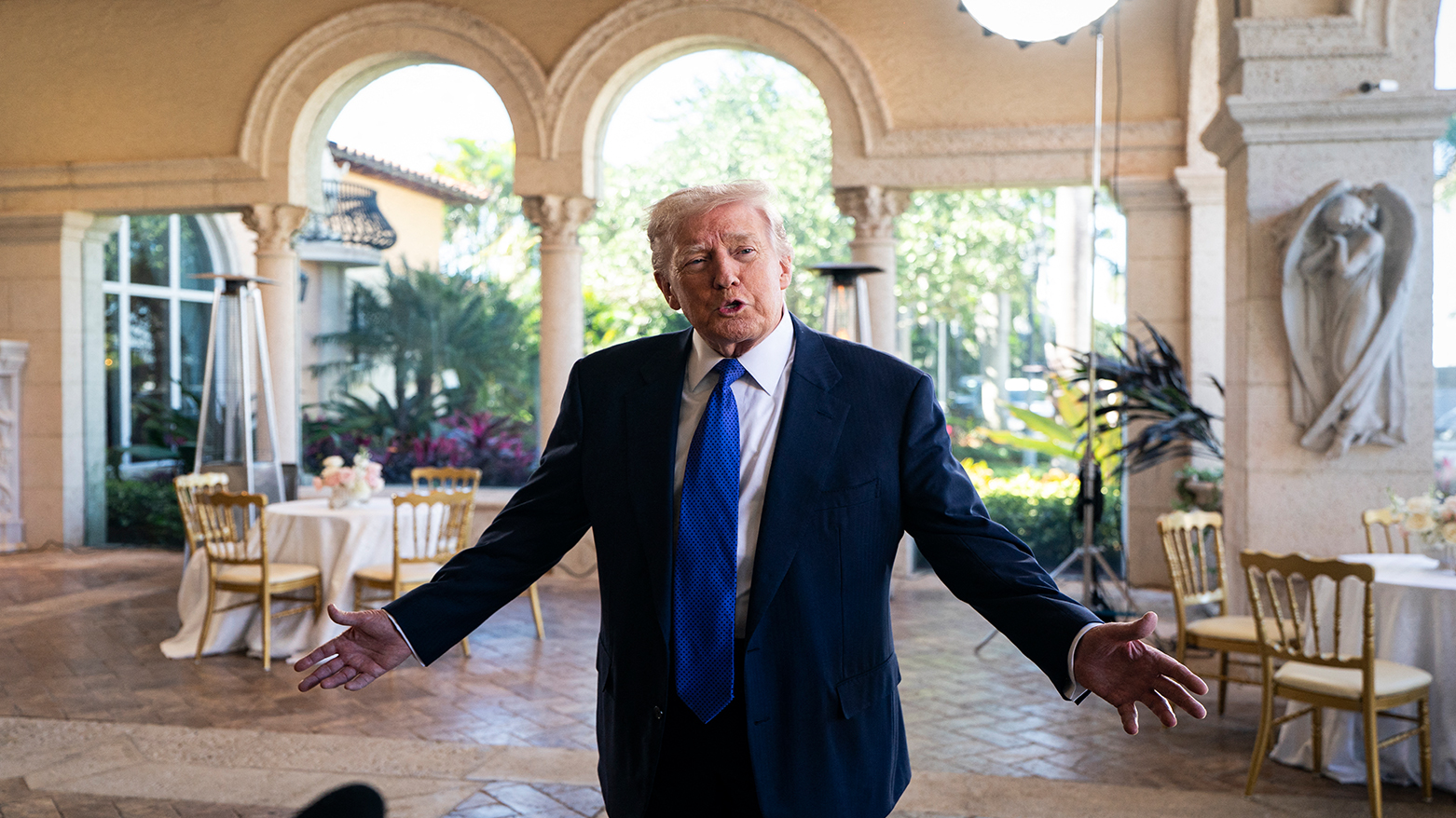
ERBIL (Kurdistan24) — Oil prices plunged sharply on Monday after U.S. President Donald Trump said he was hopeful of reaching a deal with Iran, easing fears of a military confrontation in the oil-rich Middle East and triggering a broad selloff across global markets.
West Texas Intermediate (WTI) crude fell as much as 4.7 percent to around $62 per barrel, while Brent crude dropped about 4.5 percent to near $66, extending losses in early Asian trading.
The decline came after Trump’s comments reduced geopolitical risk premiums that had recently supported oil prices.
Financial markets worldwide were hit by renewed volatility, with equities, oil, and precious metals all retreating as investors reassessed geopolitical developments, corporate earnings, and the outlook for U.S. monetary policy.
Geopolitical tensions between Washington and Tehran have been elevated in recent weeks, with the U.S. criticizing Iran’s crackdown on protests and previously threatening military action.
Iran’s Supreme Leader Ayatollah Ali Khamenei warned on Sunday that any U.S. attack would spark a regional conflict. Responding to those remarks, Trump said he remained hopeful of reaching an agreement, particularly over Iran’s nuclear program.
By early Monday, markets were still struggling to find footing, reflecting investor uncertainty over geopolitics, U.S. interest rate policy, and the sustainability of the global tech rally.
The latest selloff followed last week’s sharp swings, driven in part by growing unease over lofty technology valuations.
After a strong start to the year fueled by optimism around artificial intelligence, tech-heavy markets reversed course as investors questioned when massive AI investments would begin to generate returns.
Those concerns intensified after Microsoft announced a significant increase in spending on AI infrastructure, reviving fears of a potential tech bubble.
Asian markets were among the hardest hit. Seoul plunged more than five percent, with chipmaker SK hynix shedding around eight percent and Samsung Electronics losing over five percent.
Tokyo fell more than one percent, while Taipei dropped more than two percent. Major indexes in Hong Kong, Shanghai, Sydney, Singapore, and several Southeast Asian capitals also declined.
Jakarta tumbled more than five percent, extending last week’s losses after MSCI urged regulators to examine ownership concerns and warned it could delay adding Indonesian stocks to its indexes. Investors fear a possible downgrade from emerging to frontier market status, which could trigger capital outflows.
Oil prices were further pressured by a stronger U.S. dollar, which surged after Trump announced Kevin Warsh as his pick to lead the Federal Reserve. Warsh, a former Fed governor, is widely viewed by markets as a hawkish inflation fighter, raising expectations of tighter monetary policy that would support the dollar.
The stronger greenback added to losses in dollar-priced commodities. Gold and silver, which had already suffered steep declines last week, extended their retreat on Monday.
Gold slid as much as six percent, while silver briefly dropped around 11 percent, as easing Iran tensions and reduced demand for safe-haven assets weighed on prices.
Trump’s remarks on welcoming Chinese and Indian involvement in Venezuela’s oil sector on Sunday added another layer of downward pressure on crude prices, reinforcing market expectations of looser global supply conditions.
Investors interpreted the comments as a signal that Washington may tolerate—or even encourage—greater Venezuelan oil output under a reconfigured sanctions and investment framework, potentially bringing significant barrels back onto the market.
Combined with easing U.S.–Iran tensions, the prospect of increased supply from one of the world’s most oil-rich countries weakened risk premiums that had supported prices in recent weeks.
The outreach to China and India also underscored shifting global energy flows, with India’s move to purchase Venezuelan crude instead of Iranian oil highlighting how geopolitical realignments can reshape demand patterns.
For oil markets already unsettled by volatility and macroeconomic uncertainty, the possibility of Venezuela re-emerging as a more open, investment-friendly producer reinforced bearish sentiment.
Observers note that while concrete agreements remain unclear, even the perception of expanded future supply can weigh on prices—amplifying the selloff sparked by diplomatic signals from Washington and compounding losses across energy markets.