Kobani Remains Under Siege Despite Damascus–SDF Agreement
Kobani remains under siege for a twenty-third day despite a Damascus–SDF agreement, with medicine shortages, limited electricity, water cuts, soaring prices, and rising humanitarian risks.
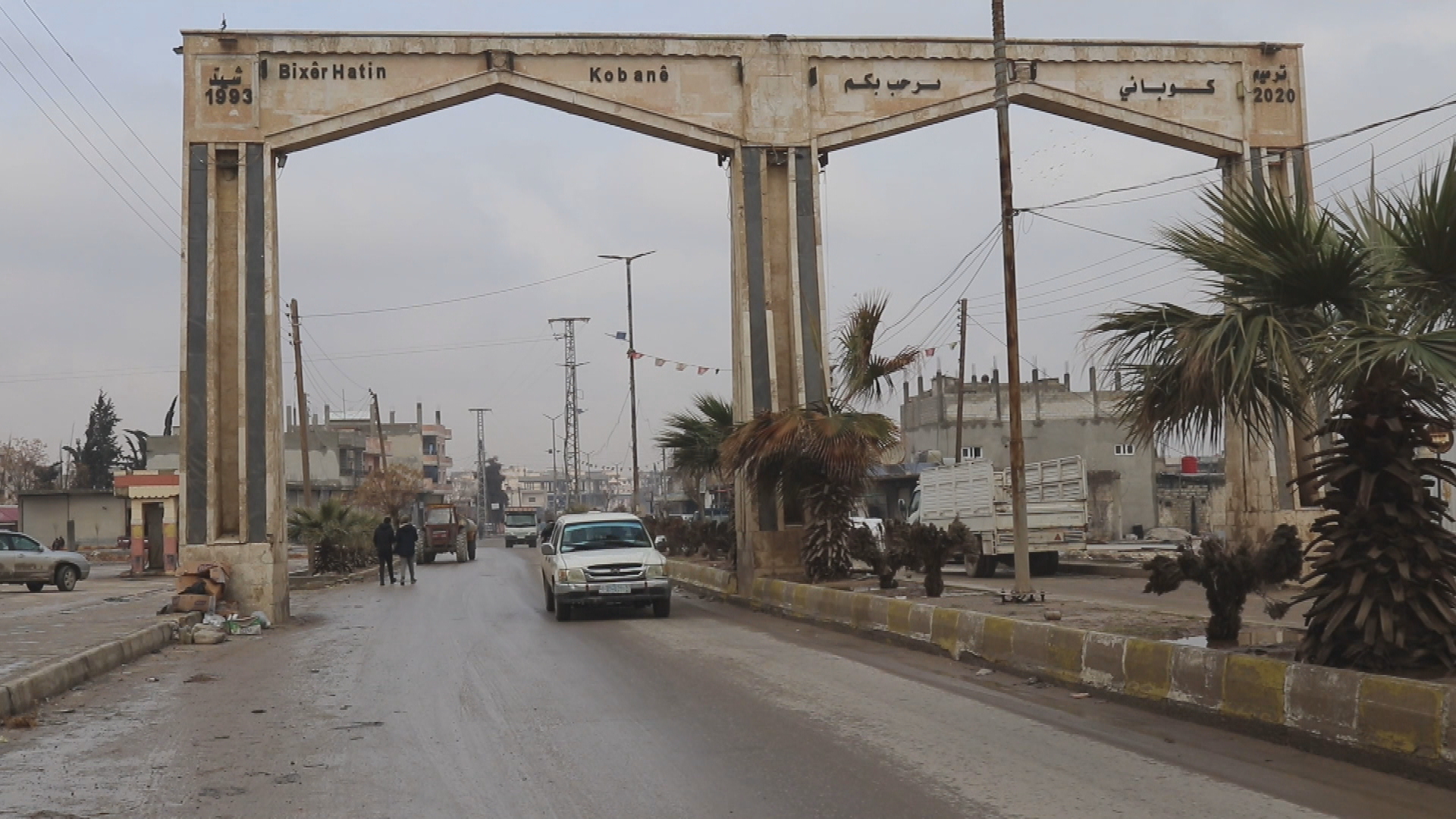
ERBIL (Kurdistan24) - For the twenty-third consecutive day, Kobani remains under a tight siege imposed by the forces of Syria’s interim government, despite a previously signed agreement in Damascus with the Syrian Democratic Forces (SDF) to lift the blockade—an agreement that, on the ground, has yet to change the reality of tens of thousands now facing a growing humanitarian catastrophe.
According to reports, the siege began on Jan. 18. But it continued despite an agreement signed on Jan. 29 between the Syrian Democratic Forces (SDF) and Syria’s interim government in Damascus to lift the blockade. However, the interim government’s forces continue to prevent the entry of basic necessities into the city.
The Syrian Observatory for Human Rights (SOHR) revealed that Kobani’s hospitals are facing a severe shortage of medicines, particularly those for chronic illnesses such as diabetes, heart conditions, and high blood pressure. Checkpoints are seizing medications that are being sent from Aleppo toward the city.
The collapse of health conditions and the absence of adequate medical services have led to the death of a mother of two in the eastern countryside of Kobani, after she was unable to reach a hospital in time due to the siege.
Following a complete power outage since the eighteenth of the month, on Tuesday, in coordination with the Red Cross, the city’s electricity line was repaired. However, electricity is currently supplied for only two hours per day. The outage has directly affected water pumping, leaving many neighborhoods without water.
The siege has also paralyzed commercial activity and driven a sharp surge in prices. The cost of one kilogram of tomatoes has reached 40,000 Syrian pounds, while a single head of lettuce now costs 20,000 Syrian pounds. The price of one liter of heating oil has risen to five US dollars, or 50,000 Syrian pounds, at a time when fuel is no longer available in the city and is obtained only through smuggling.
The siege comes despite the existence of a prior political agreement between the Syrian Democratic Forces and Syria’s interim government, which was intended to normalize access to the city and prevent further humanitarian deterioration.
As international appeals grow, the continued closure of access routes leaves Kobani suspended between a signed agreement and a lived reality defined by scarcity, rising prices, and the steady erosion of civilian life.