Lebanese Imposter Posed as Saudi Prince, Extorted Politicians
Authorities Say Investigation Nearing Completion; No Evidence of Foreign Involvement
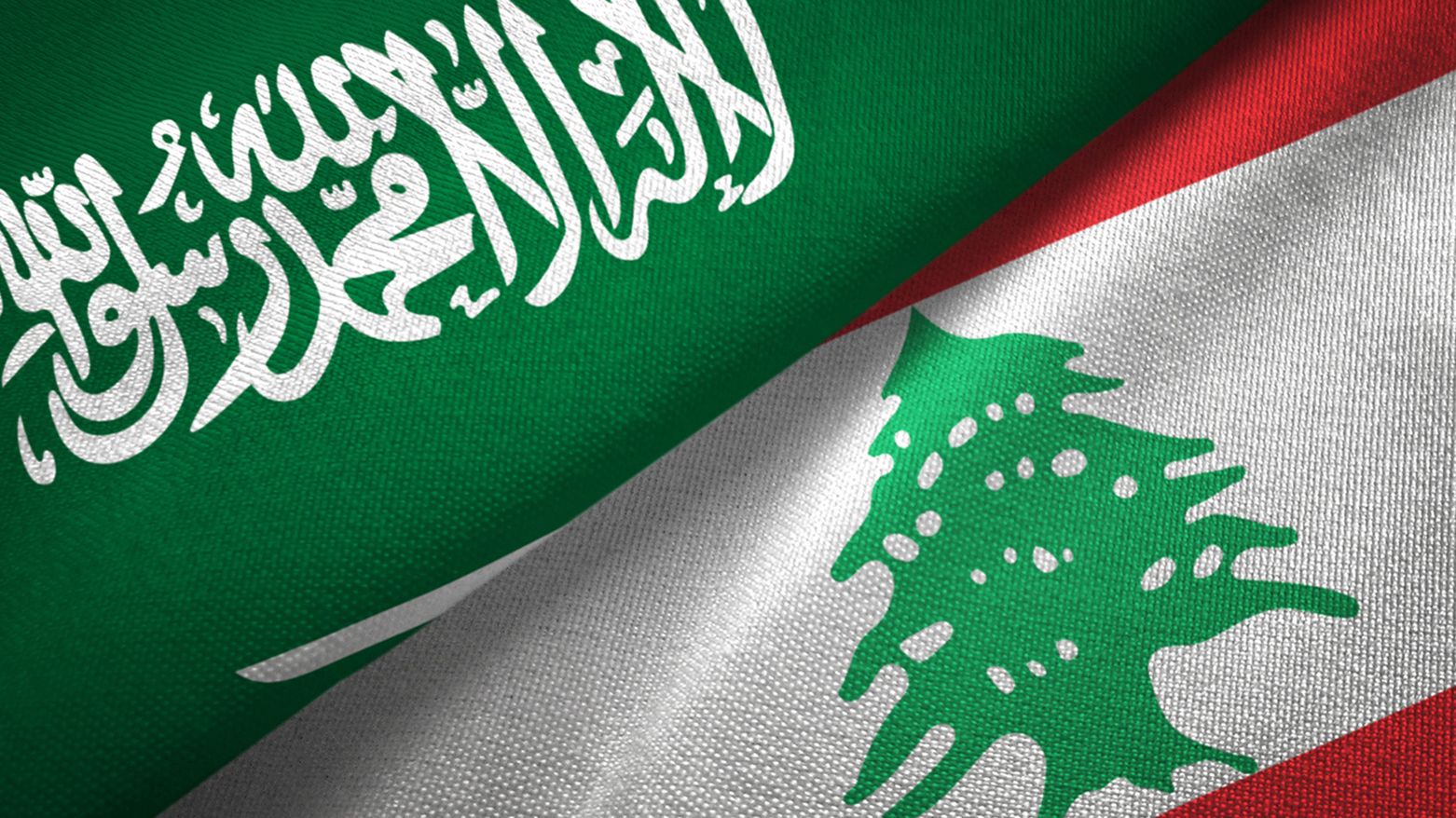
ERBIL (Kurdistan24) — Lebanese authorities are investigating a fraud case involving a man who allegedly posed as a Saudi prince and extorted several politicians, with the assistance of a religious figure, according to a judicial official on Wednesday.
The suspect, identified as Mustapha al-Hasian, a car mechanic, is accused of impersonating a member of Saudi Arabia’s royal court under the name “Abu Omar.” He and his alleged accomplice, Sheikh Khaldun Oraymet, were arrested late last year, and the investigation is now “nearing completion,” the official told AFP.
According to the official, there is “no evidence of the involvement of any foreign agencies or entities in the case,” with initial findings indicating that the two men acted alone in carrying out what were described as “extortion operations.”
Hasian reportedly spoke in a fluent Saudi dialect and claimed to represent the Saudi royal court. Investigators say he contacted several Lebanese politicians, most of them Sunni Muslim, and went so far as to issue political guidance, advising them on which positions to adopt.
Oraymet is alleged to have facilitated the scheme by providing Hasian with contact details and background information on political figures he knew. The imposter reportedly promised that Riyadh would support the politicians’ appointments to senior positions in Lebanon in exchange for financial contributions.
“A number of politicians who were contacted by Abu Omar gave their testimonies as witnesses and acknowledged the fact,” the judicial official said.
Those who transferred funds insisted during questioning that the payments were made in the form of social and medical assistance to associations or individuals, rather than as compensation for political favors.
The case has drawn significant attention in Lebanon, where politics is deeply intertwined with sectarian affiliations and where foreign backing has historically played a prominent role. Rival religious communities have long sought political and financial support from regional and international actors.
Saudi Arabia was once a key patron of Lebanon’s Sunni political leadership, particularly former Prime Minister Saad Hariri. However, Riyadh gradually distanced itself from the Lebanese political arena in recent years, citing concerns over the growing influence of the Iran-backed Hezbollah movement.
Hariri’s decision to suspend his political activities further weakened the Sunni political landscape, creating a vacuum in leadership and external sponsorship.
In a potential sign of renewed engagement, Saudi Arabia last year supported the election of Lebanese President Joseph Aoun. Aoun visited Riyadh in March, a trip widely interpreted as reflecting a warming of ties between the two countries.
Authorities have not disclosed the total sums involved in the alleged fraud, but the case has underscored ongoing concerns about governance, political patronage networks, and vulnerabilities within Lebanon’s fragmented political system.