Kurdish Forces Face Uncertain Future After Syria Deal as Women Fighters Vow to Continue Struggle
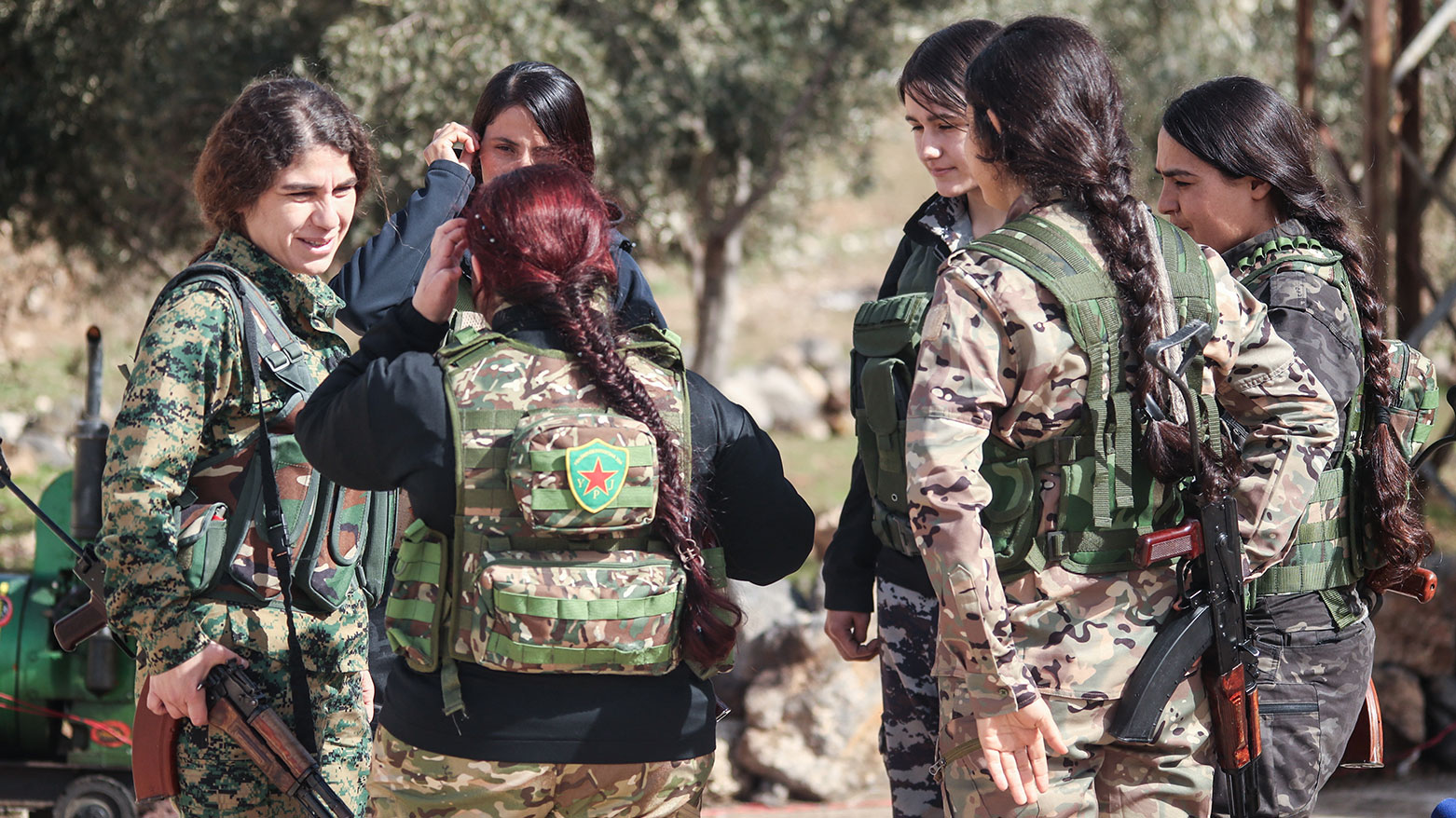
Roksan Mohammed, spokesperson for the YPJ, told AFP that her all-women unit made heavy sacrifices during the war against ISIS, which was territorially defeated in Syria in 2019 by the Kurdish-led Syrian Democratic Forces (SDF) with support from a U.S.-led coalition.
ERBIL (Kurdistan24) — A new agreement between Kurdish authorities and Damascus has raised uncertainty about the future of Kurdish self-rule and the fate of female fighters who played a key role in defeating ISIS, according to officials, analysts, and fighters on the ground.
Roksan Mohammed, spokesperson for the Women's Protection Units (YPJ), told AFP that her all-women unit made heavy sacrifices during the war against Islamic State (ISIS), which was territorially defeated in Syria in 2019 by the Kurdish-led Syrian Democratic Forces (SDF) with support from a U.S.-led coalition.
However, shifting alliances have left Kurdish forces politically exposed. Washington has moved closer to Syria’s new president, Ahmed al-Sharaa, who came to power after the ouster of longtime ruler Bashar al-Assad in 2024. Under military pressure, Kurdish authorities agreed last month to integrate their armed forces and institutions into the Syrian state, a deal that did not explicitly mention the YPJ.
Analysts say disagreements persist over how the accord should be implemented. Damascus reportedly views integration as full absorbing, while Kurdish leaders insist they should join the state while retaining their identity and political system, which mandates gender parity in leadership roles.
The agreement also requires Kurdish authorities to hand over oil fields, border crossings, and an airport—assets that had underpinned their autonomous administration during Syria’s 13-year civil war. According to Winthrop Rodgers of Chatham House, recent territorial losses and the January accord could effectively end Kurdish ambitions for a federal or decentralized system in Syria.
Kurdish officials have expressed frustration with the United States. Sources said U.S. envoy Tom Barrack told SDF commander Mazloum Abdi that Washington would not confront Damascus militarily on their behalf, a stance tied to the administration of Donald Trump.
Despite these setbacks, Damascus has issued a decree recognizing Kurdish as an official language for the first time since Syrian independence in 1946—an acknowledgment welcomed but viewed cautiously by many Kurds after decades of repression.
For fighters like Mohammed, uncertainty remains, particularly regarding women’s rights within the new political order. Still, she stressed determination among her comrades, saying their struggle would continue if their roles and status are not recognized.