KRG Interior Minister Warns ISIS Remains Significant Threat Across Iraq and Syria
Kurdistan Region Interior Minister Reber Ahmed stated that ISIS remains a strong threat and emphasized coordinated regional efforts to maintain security and prevent drawing Iraq and Kurdistan into any regional conflicts.
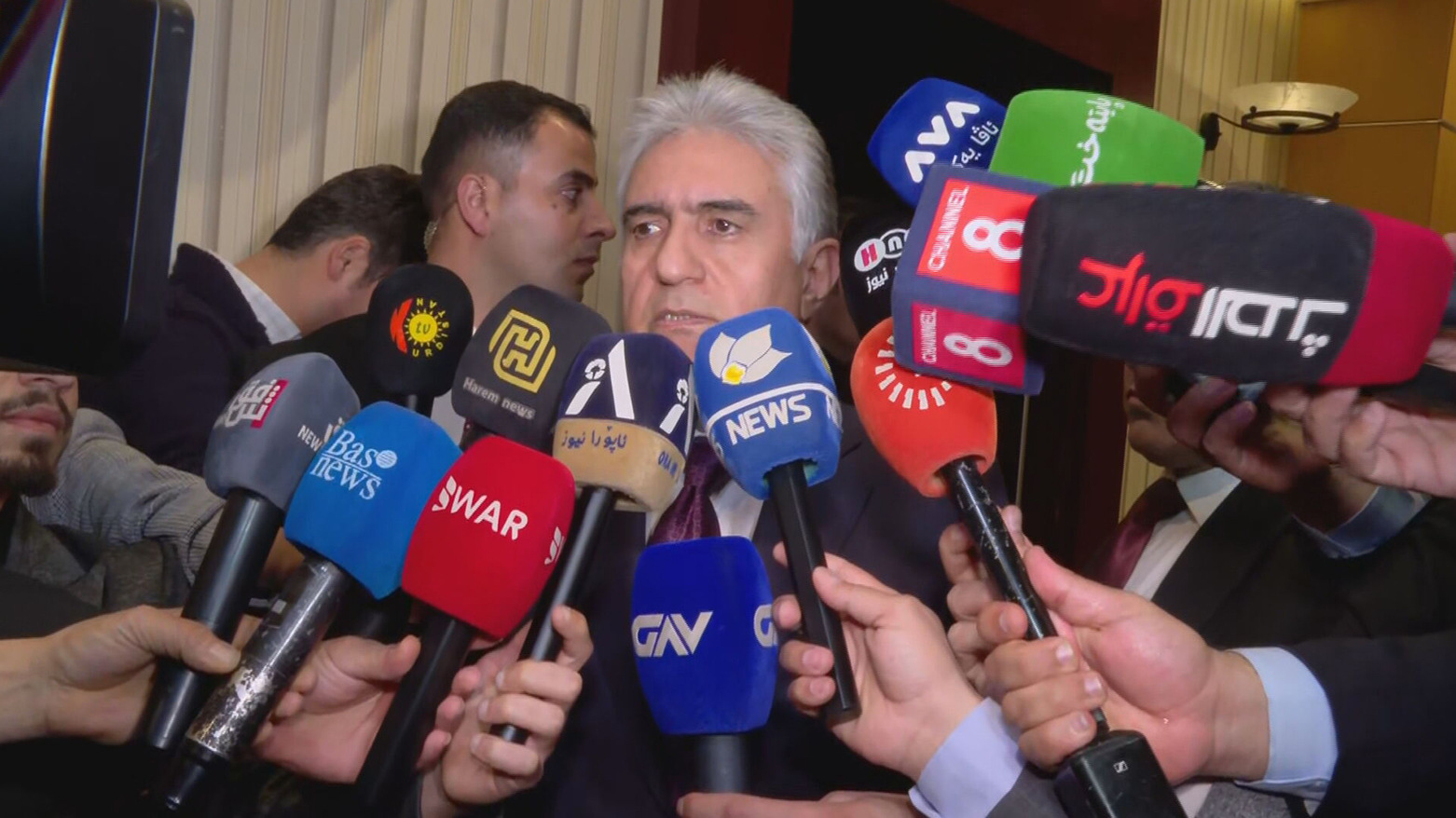
ERBIL (Kurdistan24) - Kurdistan Region Minister of Interior Reber Ahmed warned Sunday that the terrorist organization ISIS remains a significant security threat and called for enhanced regional coordination to address its resurgence across Iraq and Syria. Ahmed made the remarks during a press conference held in conjunction with International Mother Language Day.
The minister highlighted the Kurdistan Region’s commitment to regional stability, emphasizing that the administration seeks peaceful relations with neighboring countries. “Kurdistan will not become a source of threat to any country,” Ahmed said, reiterating the government’s stance on maintaining friendly ties and avoiding conflict.
Ahmed addressed the increased activity of ISIS in recent months, noting that the organization had expanded its operations in multiple areas across Iraq and Syria.
He stressed that the escalation of ISIS activity required stronger security measures and coordinated efforts among regional authorities to contain and eliminate the threat. “ISIS is still a strong threat,” he said, underlining the ongoing risks posed by the group to both local communities and broader regional security.
The minister also spoke about the Kurdistan Region’s broader approach to security and stability, stating that all policies must focus on safeguarding civilians and preventing the spread of conflict.
“All efforts must be directed toward keeping Iraq and the Kurdistan Region away from the dangers of wars and conflicts so that the people can live in security and tranquility,” he said, framing security management as a central component of regional governance.
Ahmed’s remarks coincide with ongoing concerns over ISIS activity in Iraq and neighboring Syria, where sporadic attacks and insurgent operations have continued despite military efforts to degrade the group.
Security experts have noted that ISIS maintains clandestine networks and can exploit political or social instability to reassert influence, making ongoing vigilance and coordination critical.
The press conference also coincided with International Mother Language Day, observed on February 21–22, an event during which regional officials often underline cultural and social policies alongside broader governance issues.
Ahmed used the occasion to reaffirm that the Kurdistan Region’s internal policies remain stable and committed to the protection of its population while maintaining amicable relations with neighboring states.
Regional security authorities have emphasized the importance of intelligence sharing and joint operations to counter terrorism effectively.
Ahmed’s call for greater coordination reflects previous agreements among Iraqi and Kurdish security forces to conduct joint counterterrorism initiatives, including patrols, surveillance, and targeted operations aimed at disrupting ISIS networks.
The minister did not provide specific details on recent ISIS attacks or planned counterterrorism measures during the press conference. However, he stressed that the resurgence of the group requires vigilance from all security agencies and proactive steps to safeguard both urban and rural communities from potential threats.
In addition to emphasizing the danger posed by ISIS, Ahmed stressed the broader policy of the Kurdistan Region in ensuring that regional governance does not contribute to instability elsewhere. “Kurdistan will not become a source of threat to any country,” he repeated, framing the administration’s security strategy as both defensive and cooperative in nature.