Luxury and Gift Demand Drives Record High Costs for Out-of-Season Greengages in Kurdistan
The price of imported greengages has reached $500 per kilogram in Sulaimani, with small boxes selling for 50,000 dinars, as markets await the arrival of seasonal local produce.
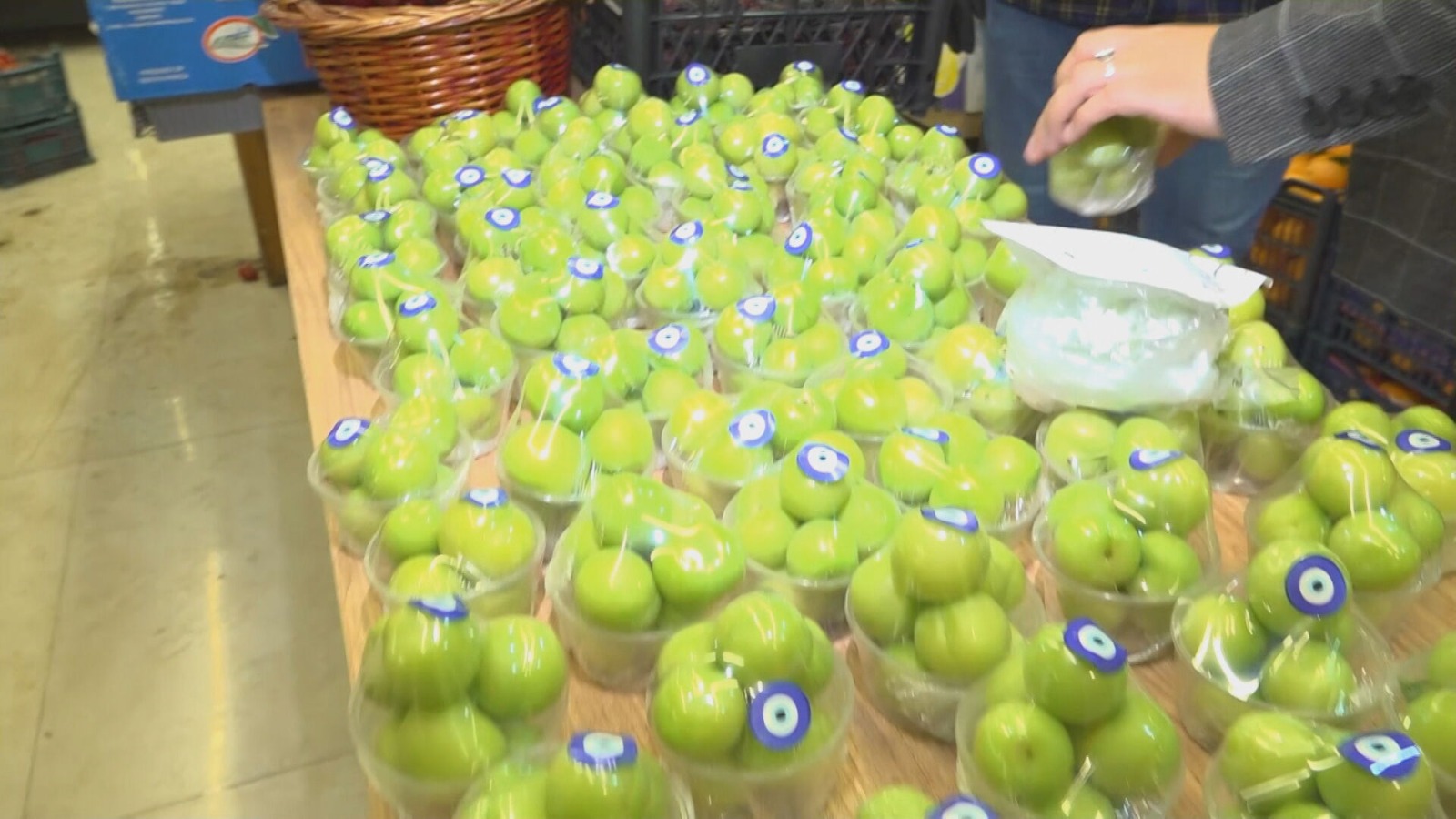
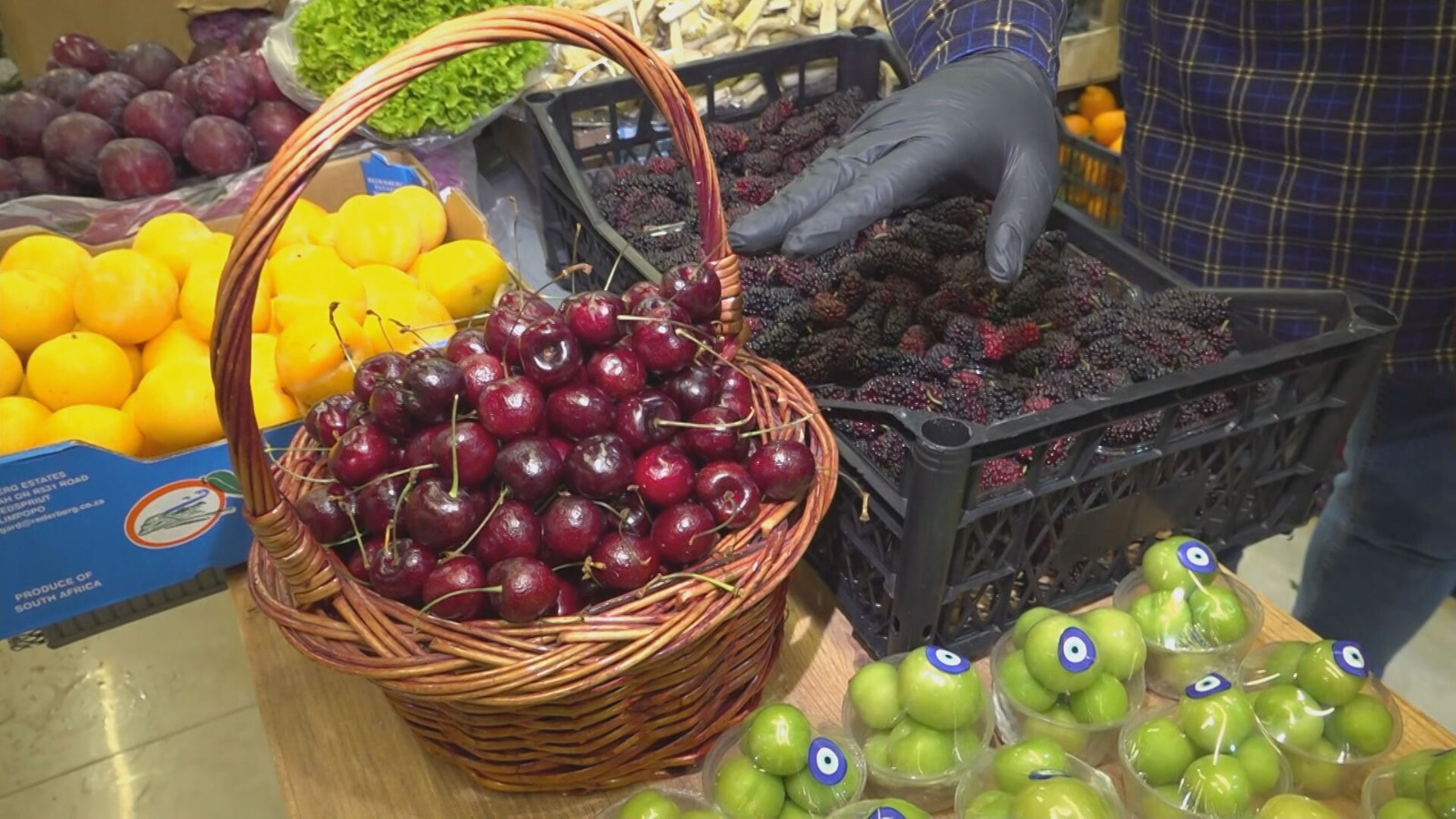
ERBIL (Kurdistan24) - Fruit markets in Sulaimani, in the Kurdistan Region, are experiencing unprecedented price surges for out-of-season fruits, particularly the green plum or greengages, known locally as “Helloje,” with one kilogram reaching $500, while small boxes of six plums sell for 50,000 Iraqi dinars, market vendors reported.
A survey conducted in local markets showed that demand for greengages, also known as Janerik, remains strong despite its elevated cost. Vendors noted that one customer purchased four kilograms at a total of $2,000 to distribute as gifts, illustrating the fruit’s current appeal among high-end buyers.
The greengages are currently being imported from abroad ahead of the domestic season, driving the high prices.
The price increase is not limited to greengages. Other imported fruits, classified as “Nobere” or first-of-the-season harvests, have also recorded significant cost increases. Cherries imported from Thailand were reported at 50,000 Iraqi dinars per kilogram.
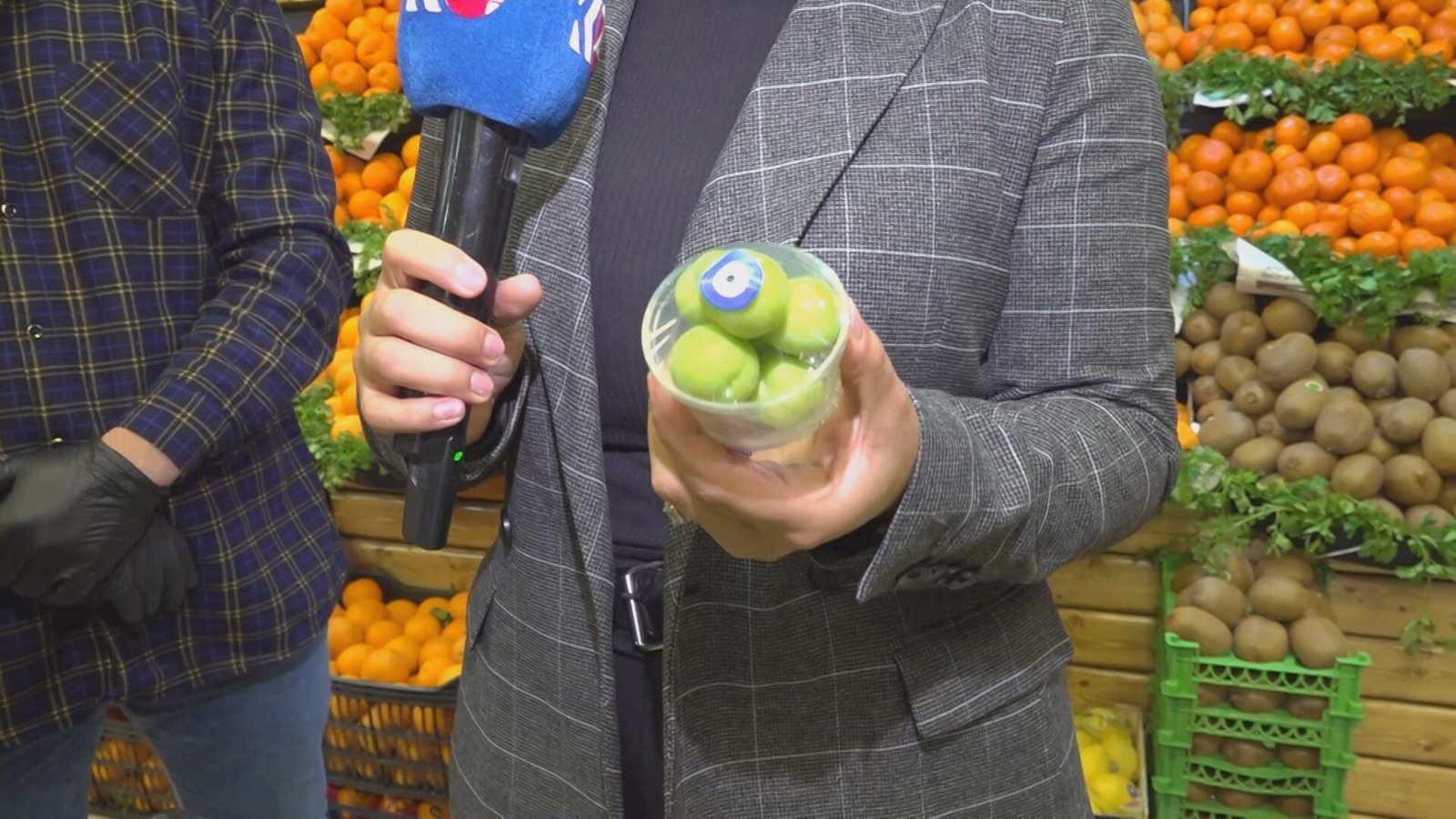
Similarly, red and yellow plums sourced from Egypt and other African countries are being sold at prices well above those of the local harvest period. Vendors indicated that scarcity and high import costs are key factors in the pricing of these fruits.
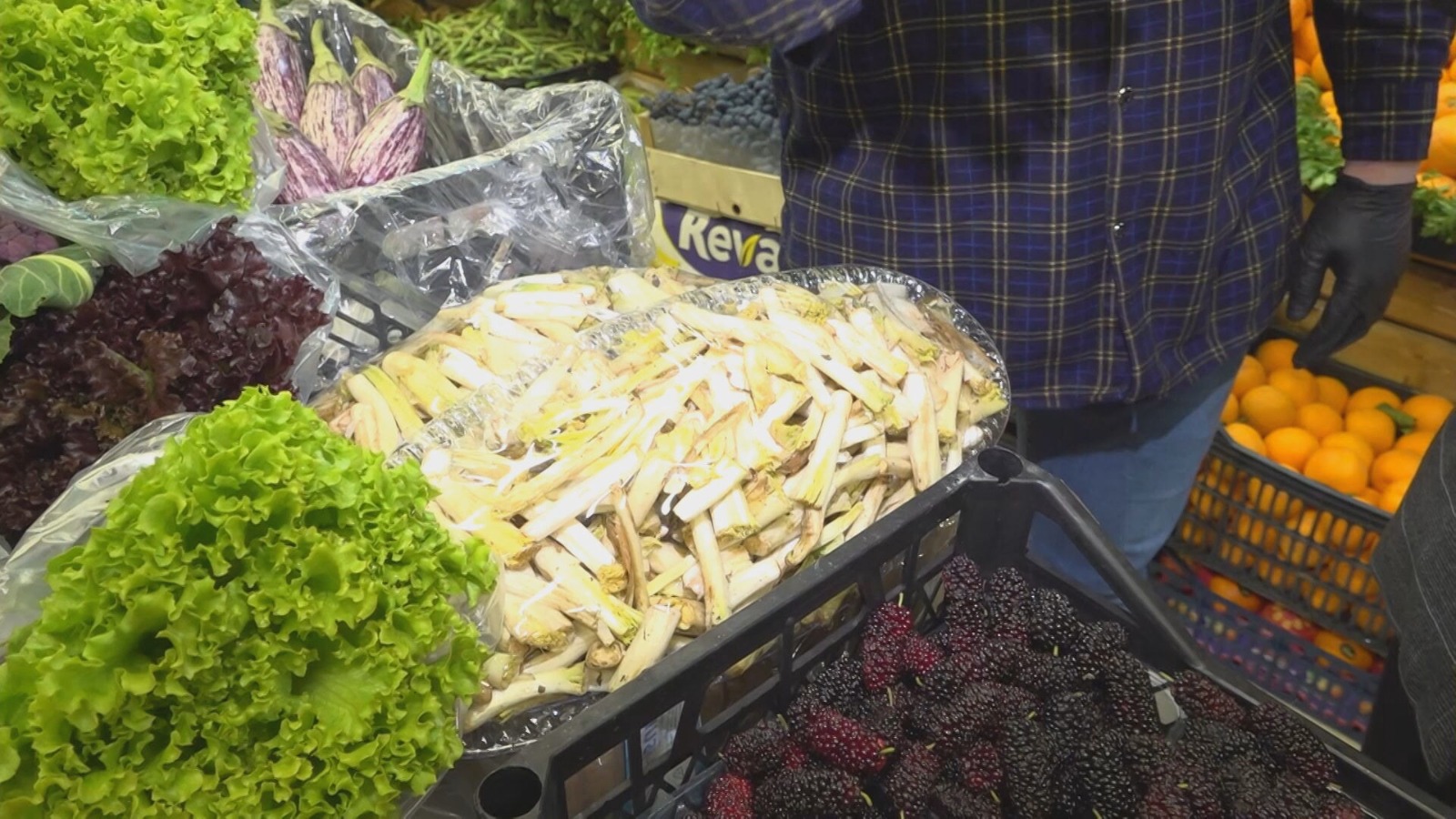
Gundelia, known locally as Kenger, was also cited by market sellers. A kilogram of uncleaned Gundelia is priced at 8,000 Iraqi dinars, while cleaned, ready-to-cook Gundelia has risen to 20,000 dinars per kilogram. Vendors attributed this differential to additional preparation and packaging costs, as well as the demand for convenience among consumers.
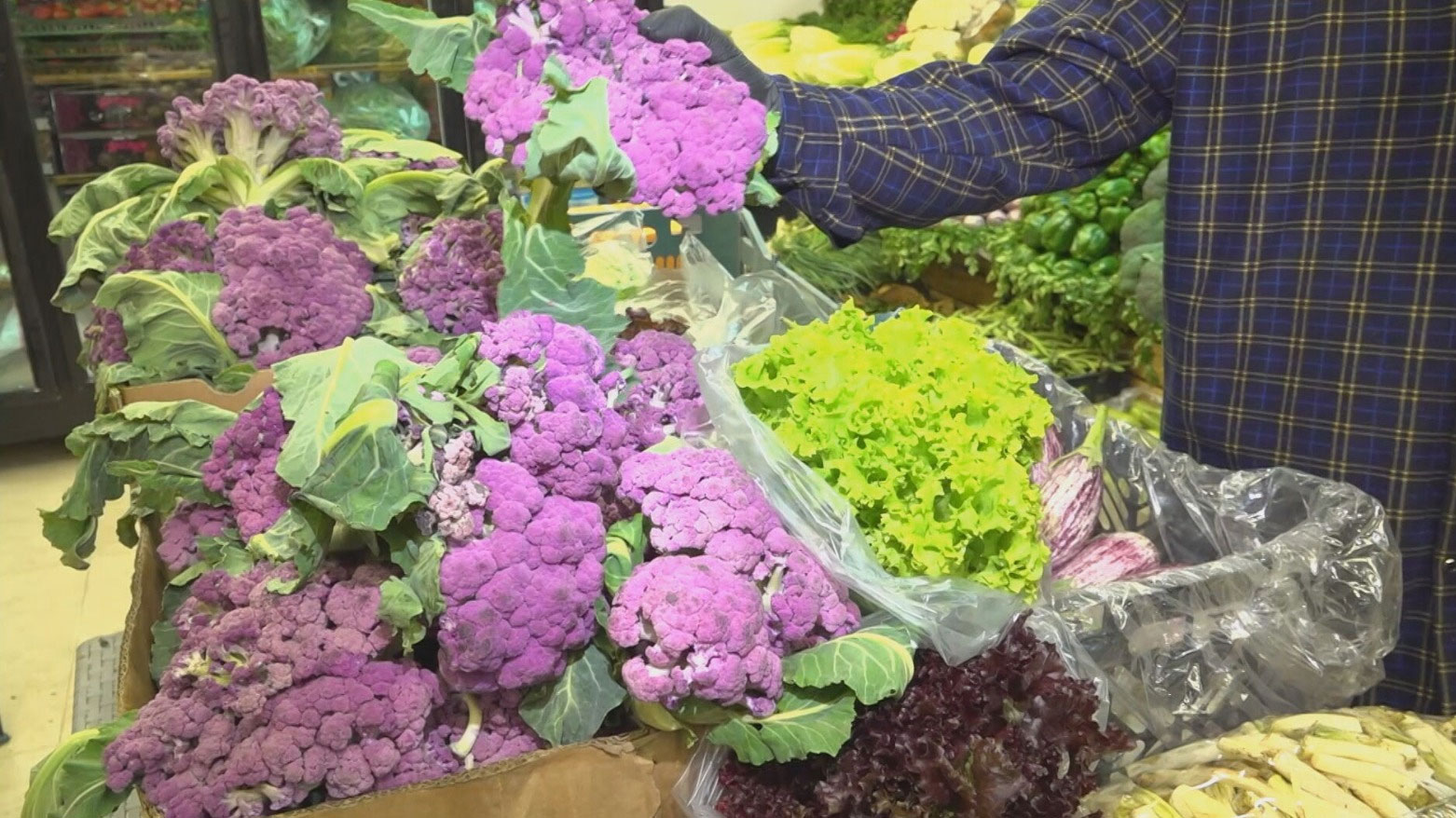
Despite the elevated costs of imported fruits, the markets also feature locally produced vegetables and specialty crops from the Sharazor region.
These include purple cauliflower, eggplant, and local varieties of French lettuce, which are being offered at more moderate prices relative to imported goods. Market sellers highlighted the quality, shape, and color of these locally grown products, which they said are beginning to compete with imported items in terms of presentation and taste.
Shop owners noted that the high prices for imported fruits are largely seasonal and tied to consumer preferences for early access to fruits traditionally available later in the year. These items are typically air-freighted to meet demand before local production begins, accounting for the premium prices.
Vendors said they expect prices to decrease sharply as domestic harvests become available in the coming weeks.
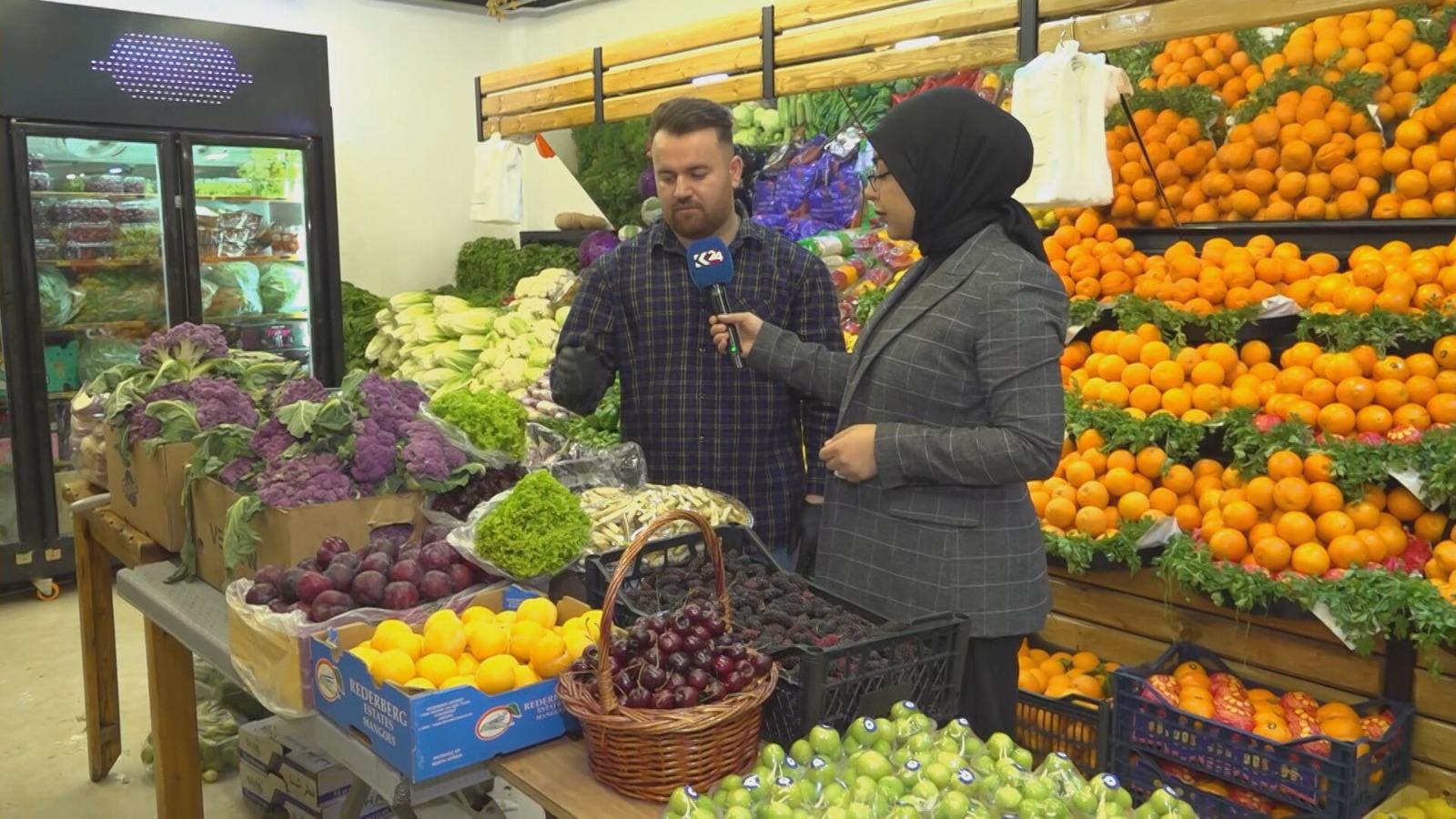
The surge in fruit prices reflects broader trends in market dynamics in the Kurdistan Region, where importation costs, consumer demand, and seasonal scarcity combine to create significant price fluctuations. Vendors noted that high-end consumers, particularly those seeking luxury or gift items, continue to drive sales for fruits such as greengages, even at premium costs.
Market observers pointed out that imported fruits not only satisfy consumer demand for off-season products but also serve symbolic and cultural purposes, such as gifting during holidays or celebrations.
The sale of small boxes of greengages, for instance, is tailored to customers purchasing fruits as gifts rather than for daily consumption, explaining the focus on smaller, high-value units despite the high price per kilogram.
While imported items dominate attention due to their high cost, locally grown crops demonstrate the potential for sustainable, competitively priced produce in the Kurdistan Region.
Purple cauliflower and other Sharazor-grown vegetables have attracted interest from consumers seeking fresh, high-quality local products, potentially expanding domestic market participation as the local season progresses.
Vendors emphasized that the present pricing situation is temporary. As soon as seasonal local production reaches market capacity, the costs of imported fruits are expected to align more closely with standard market levels. Market analysts anticipate that supply stabilization will reduce prices across the board, particularly for fruits currently labeled as “Nobere.”
The trend in Sulaimani’s markets underscores the interplay between consumer demand for early-season fruits, the logistics of importing specialized items, and the emergence of local production capable of providing high-quality alternatives. Sellers said that continued monitoring of pricing and demand patterns is essential for both vendors and consumers seeking to navigate seasonal market fluctuations effectively.