Oil Prices Rise Above $100 as Iran War Raises Supply Concerns
“Short term oil prices, which will drop rapidly when the destruction of the Iran nuclear threat is over, is a very small price to pay for U.S.A., and World, Safety and Peace,” Trump wrote on social media Sunday evening.
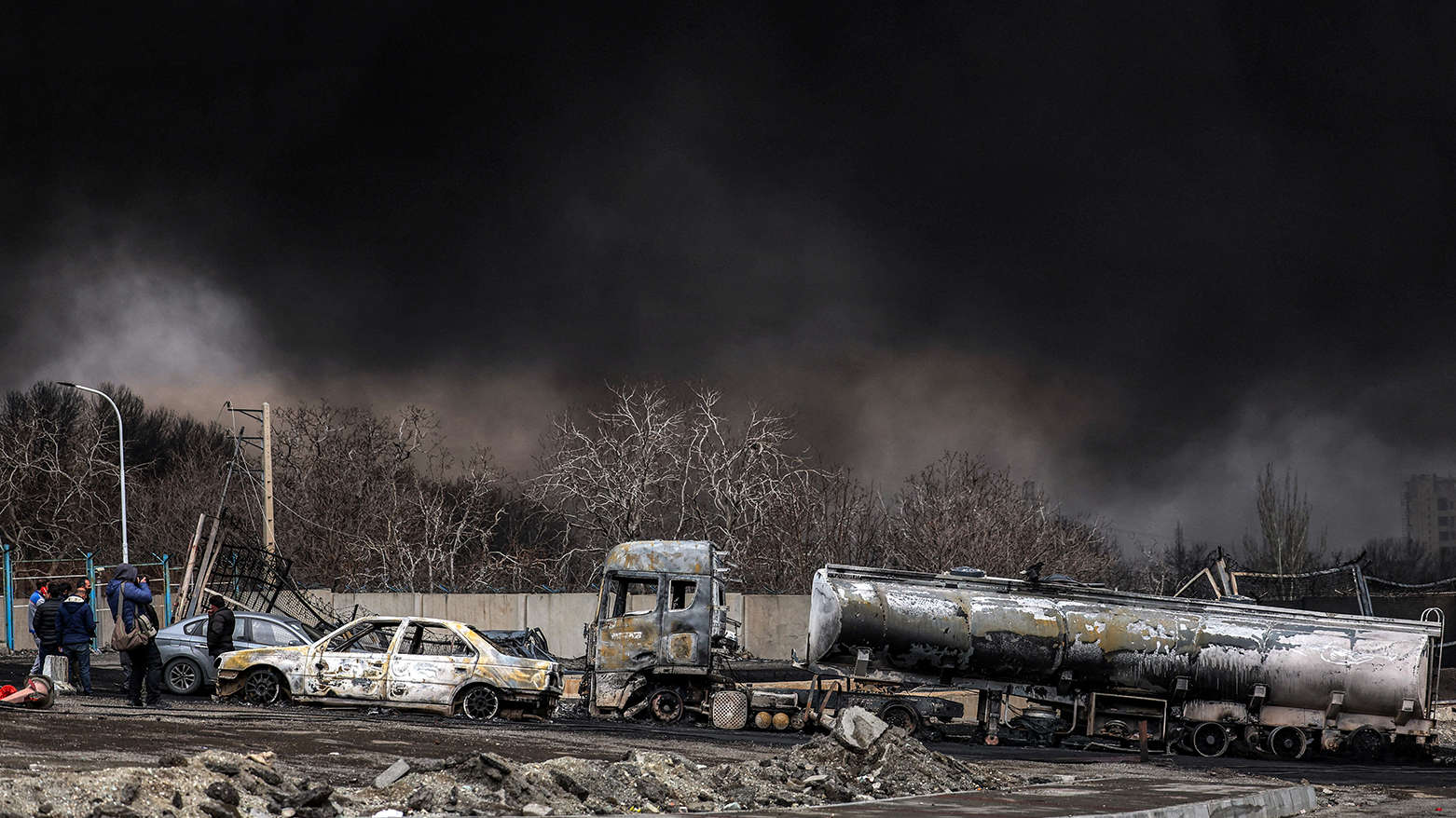
ERBIL (Kurdistan24) - Oil prices surged above $100 a barrel on Sunday for the first time in nearly four years as escalating conflict involving Iran raised concerns about potential disruptions to global energy supplies, while U.S. President Donald Trump defended the military campaign and said the price increase was temporary.
Both major crude benchmarks, West Texas Intermediate and Brent, rose more than 15 percent when markets opened Sunday evening, reaching levels last seen during the early months of the 2022 war in Ukraine, according to market data cited in the report.
The price surge came amid growing concerns that the widening conflict in the Middle East could interrupt the flow of oil and gas through key shipping routes and production centers across the Gulf region.
Trump responded to the increase in oil prices by defending the military campaign against Iran and describing the economic impact as limited in duration.
“Short term oil prices, which will drop rapidly when the destruction of the Iran nuclear threat is over, is a very small price to pay for U.S.A., and World, Safety and Peace,” Trump wrote on social media Sunday evening.
“ONLY FOOLS WOULD THINK DIFFERENTLY!” he added.
The conflict began on Feb. 28 and has since triggered concerns among energy markets about the stability of supply chains and transport routes in the Middle East.
Maritime traffic through the Strait of Hormuz, a strategic shipping corridor linking the Persian Gulf with global markets, has largely halted since the start of the war, according to the report.
The strait carries roughly 20 percent of global crude oil and natural gas shipments, making it one of the world’s most critical energy transit routes.
Disruptions to tanker movements in the waterway have contributed to the surge in oil prices as traders assess potential supply shortages.
Energy producers in the Gulf region have also begun reducing output amid the growing uncertainty surrounding infrastructure security and shipping access, the report said.
At the same time, Israeli airstrikes on fuel depots in Tehran have raised concerns that Iran could respond by targeting energy infrastructure in neighboring countries, further increasing the risk of supply disruptions.
The rise in crude prices has already begun affecting retail fuel costs in the United States, where gasoline prices are closely watched by policymakers and consumers.
Fuel price increases are considered politically sensitive in the United States, particularly ahead of the congressional midterm elections scheduled for November.
Despite the surge in prices, U.S. officials said they expect the disruptions to remain temporary.
U.S. Energy Secretary Chris Wright said Sunday that supply interruptions were unlikely to persist for an extended period.
“Worst case, that's a few weeks. That's not months,” Wright said in comments to CNN.
He also told CBS that global oil supply remains sufficient despite current market volatility.
“They shouldn't go much higher than they are here because the world is very well supplied with oil,” Wright said. “There's no energy shortage in all of the Western hemisphere.”
Wright said U.S. officials are currently in discussions with shipping companies seeking to move vessels out of the Gulf region amid the heightened security risks.
According to Wright, some early tanker movements could involve direct military protection from the United States to ensure safe passage through the Strait of Hormuz.
“Early tankers probably will involve some direct protection by the US military” to get through the strait, he said.
He added that authorities expect maritime traffic through the corridor to return to normal conditions “relatively soon.”
Iran remains a notable contributor to global oil supply despite existing international sanctions targeting its energy sector.
The country accounts for approximately four percent of worldwide oil production, according to data from the U.S. Energy Information Administration cited in the report.
Although Iran’s oil industry has been subject to sanctions, exports have continued at reduced levels, with a significant portion of shipments reportedly directed to China, according to oil industry data referenced in the report.
The evolving situation in global energy markets has also prompted policy discussions within the United States regarding supply options from other producers.
U.S. Treasury Secretary Scott Bessent said Friday that the U.S. government was considering the possibility of easing sanctions on additional Russian oil exports as global prices rise.
The comments came one day after Washington temporarily authorized India to purchase oil from Russia, according to the report.
Officials have also taken steps to address potential insurance and risk concerns associated with shipping in the region.
The U.S. International Development Finance Corporation announced Friday that it is establishing a reinsurance mechanism valued at up to $20 billion to cover risks linked to maritime travel through the Strait of Hormuz.
The program is intended to provide financial protection to shipping companies operating in the area during the ongoing conflict.
Market analysts and officials continue to monitor the situation closely as the conflict between Iran and Israel, involving the United States, enters its second week.
Concerns about the stability of energy infrastructure and the safety of maritime routes remain central factors influencing global oil markets.