Qatar Condemns Ongoing Iranian Attacks on Civilian Infrastructure Amid Regional Conflict
Doha denounces strikes that disrupted gas production as tensions escalate in the US–Israel–Iran confrontation
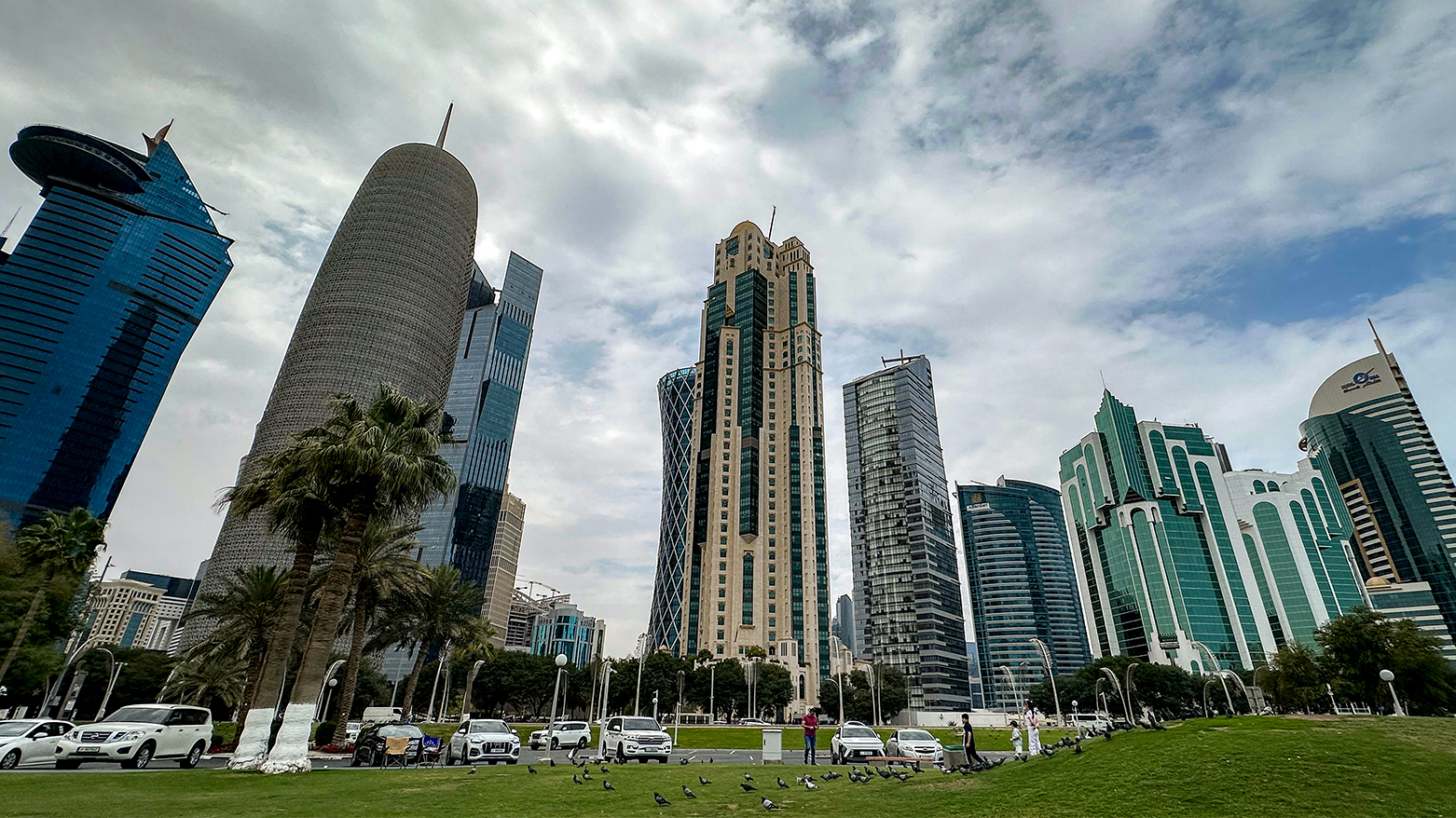
ERBIL (Kurdistan24) — Qatar on Tuesday strongly condemned repeated Iranian attacks on its civilian infrastructure, over a week after drone strikes forced a temporary halt to gas production in the Gulf state. The Qatari Ministry of Foreign Affairs described the assaults as unacceptable and warned against any attempts by Tehran to justify them.
Speaking to reporters, Qatari foreign ministry spokesman Majed al-Ansari said, “The targeting of civilian infrastructure continues... and we rebuke any justification that the Iranians are offering for these attacks,” though he did not specify which facilities had been affected.
The strikes come amid the broader escalation of conflict between the United States and Israel on one side, and Iran and its allied militias on the other, a confrontation that has already destabilized large parts of the Middle East.
Recent weeks have seen Iranian-backed groups conduct cross-border drone and missile attacks targeting strategic sites in Iraq, Israel, and Gulf countries, prompting more airstrikes by US and Israeli forces to target the sites in Iran from where these rockets and drones are launched.
Qatar, a major energy exporter and regional mediator, has sought to maintain neutrality in the ongoing conflict, but the recent drone and missile attacks underscore the growing vulnerability of Gulf states to spillover from the war.
Analysts warn that such assaults not only threaten civilian infrastructure but also risk further destabilizing energy markets and regional security.
The Qatari Ministry of Foreign Affairs reaffirmed Doha’s commitment to international law and condemned all acts of violence that target civilian and strategic facilities.
The statement also highlighted Qatar’s call for a swift de-escalation in the region and underscored the country’s continued support for stability and security in the Gulf and wider Middle East.