IAF Strikes Multiple Iranian Military and Research Sites in Tehran
The strikes mark the latest in a series of operations aimed at Iranian military sites in Tehran, underscoring Israel’s stated objective of targeting facilities linked to weapons research, development, and operational command.
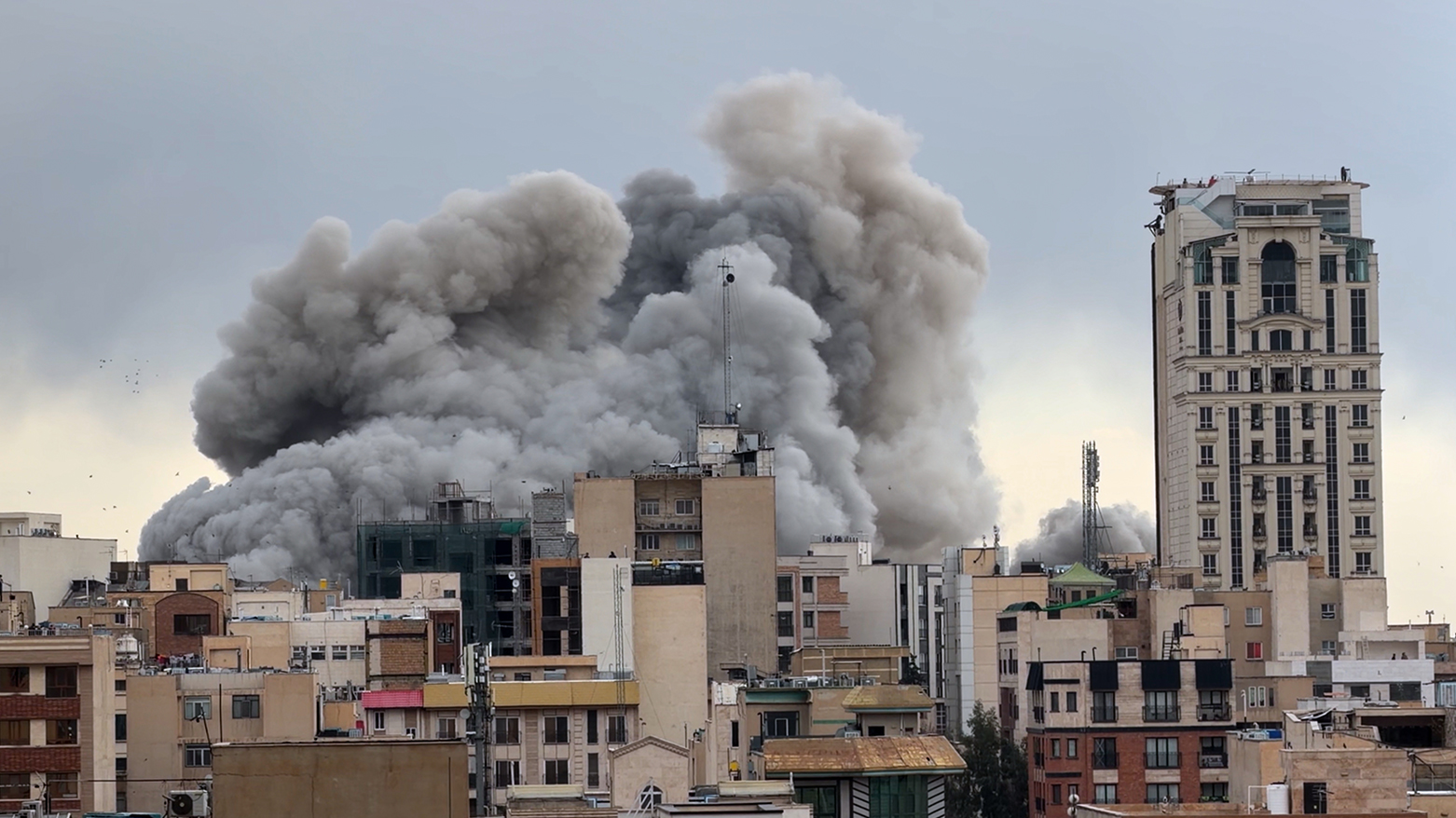
ERBIL (Kurdistan24) - The Israeli Army announced Tuesday that its forces carried out a new series of airstrikes targeting multiple sites in Tehran, including an underground weapons research complex operated by the Islamic Revolutionary Guard Corps (IRGC).
The strikes were conducted overnight Monday by the Israeli Air Force (IAF) based on intelligence provided by the Israel Defense Forces (IDF), the military said in a statement on its official Telegram channel.
According to the IDF, one of the primary targets was a facility within the IRGC’s central military university, known as “Imam Hussein,” which the military described as both an emergency asset and a hub for operational activity.
The strike focused on an underground route inside the complex, where IRGC personnel reportedly conducted experiments and tests related to the development and production of ballistic missiles.
In addition to the weapons research site, the airstrikes reportedly hit infrastructure at the headquarters of the IRGC’s Quds Force, as well as other production facilities associated with various weapons and defense systems of the Iranian regime.
The IDF said these actions are intended to further degrade the operational capabilities of what it referred to as the “Iranian terror regime.”
“The IDF continues to deepen its strikes on the systems and capabilities of the Iranian terror regime,” the statement noted, adding that the overnight operations are part of an ongoing campaign aimed at damaging the regime’s core operational arrays and foundational military assets.
Officials emphasized that the strikes were carried out following intelligence assessments that identified the targeted sites as central to Iran’s weapons development programs.
The underground complex within Imam Hussein University, in particular, was singled out for its role in ballistic missile research and associated experimental work, according to the military report.
The IDF’s announcement highlighted that the Quds Force headquarters was also struck, though the statement did not provide additional details on the specific locations within the facility that were targeted or the extent of the damage.
Other sites linked to weapons production were similarly affected, reflecting a broader operational objective of disrupting Iran’s military infrastructure.
Israeli officials framed the operations as a continuation of previous strikes, emphasizing that they are part of a deliberate effort to undermine the Iranian regime’s military capabilities.
The IAF’s involvement was described as executing precise attacks on high-value military and research facilities, consistent with ongoing measures to limit the regime’s operational capacity.
The military underscored that the strikes were not isolated incidents but part of a phased campaign designed to systematically target Iran’s strategic and operational military assets.
According to the statement, the current wave of operations deepens the impact on the regime’s core arrays and foundational capabilities, particularly in the domains of weapons development and force projection.
While no immediate information was provided regarding casualties or the extent of physical damage at the sites, the IDF characterized the strikes as significant in their scope and strategic intent.
Officials cited the importance of targeting underground infrastructure used for experimental weapons work, which they said is central to the IRGC’s development programs.
The operation follows previous Israeli statements indicating an ongoing campaign to counter perceived threats from Iran’s military establishments, including research, development, and production facilities.
The IDF stressed that the strikes are consistent with prior actions aimed at weakening key operational nodes of the Iranian military apparatus.
Military sources highlighted that the selection of targets was informed by intelligence assessments and operational planning aimed at maximizing the degradation of Iran’s defense systems.
The statement emphasized that the operation sought to reduce the operational readiness and research capabilities of the IRGC while minimizing collateral impact on surrounding civilian areas.
According to the Israeli military, these measures are part of a sustained effort to challenge the military infrastructure and weapons programs of the Iranian regime, with particular focus on sites directly associated with missile development and strategic force deployment.
The statement reiterated that the campaign aims to address the regime’s core capabilities through targeted precision strikes.
The IDF concluded that the overnight wave of strikes represents a continuation of efforts to deepen the operational damage inflicted on Iran’s military and research infrastructure.
“These strikes are part of the ongoing phase aimed at deepening the damage to the core operational arrays and foundational capabilities of the Iranian terrorist regime,” the announcement said.
The Israeli Army’s statement did not indicate any forthcoming operations but emphasized that the campaign against Iran’s military and research infrastructure remains a central objective of current strategic planning.