Hezbollah Says It Targeted Israeli Air Base Near Tel Aviv with Missile
Iran-Backed Group Signals Escalation as Israel Continues Strikes in Lebanon
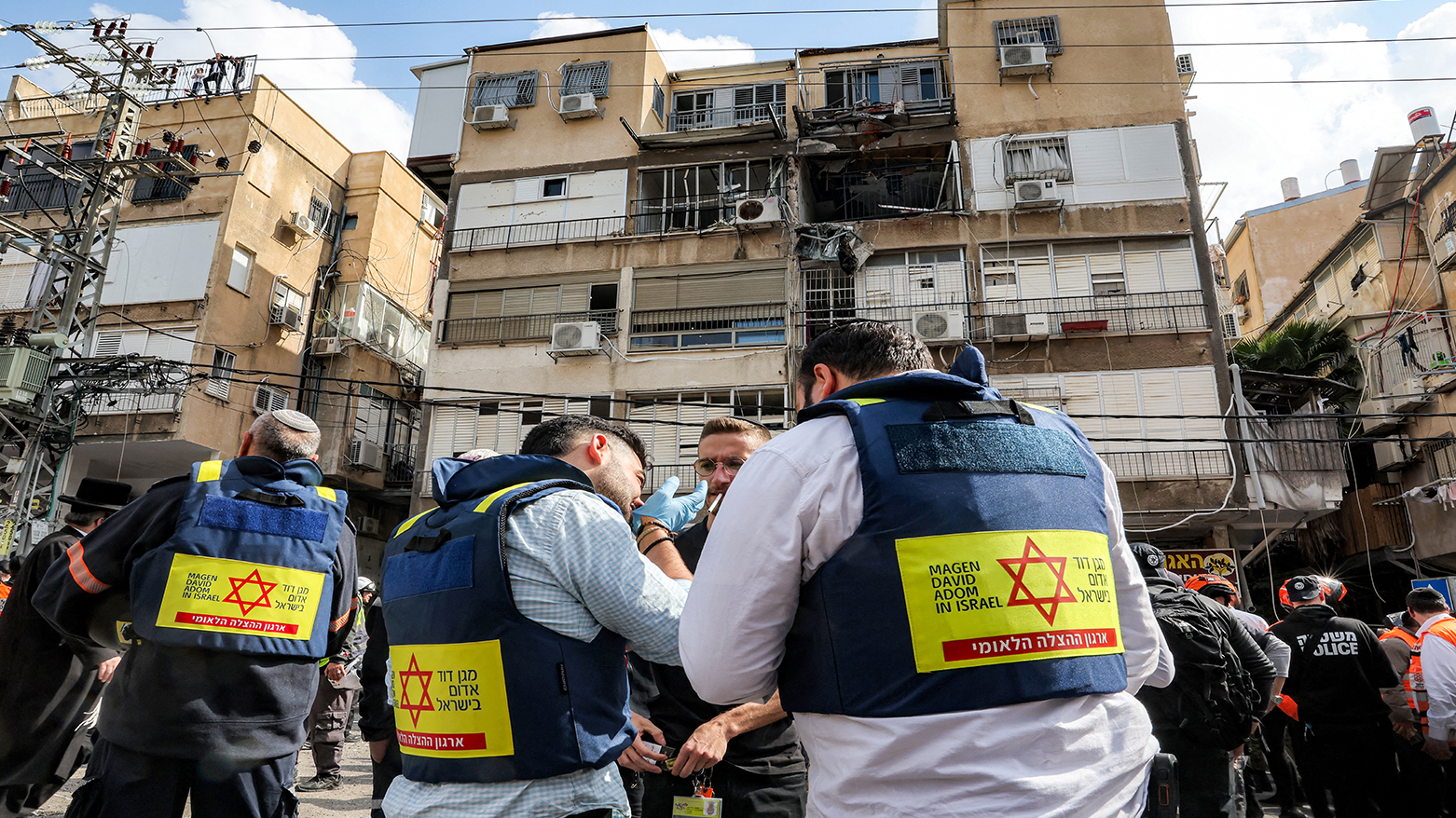
ERBIL (Kurdistan24) — The Iran-backed militant group Hezbollah said Sunday that it had targeted an Israeli air base south of Tel Aviv with an advanced missile, as fighting between the group and Israel intensifies.
In a statement, Hezbollah said its fighters struck the Palmachim Airbase, located about 140 kilometers (85 miles) from the Lebanese-Israeli border.
The group said the attack involved an “advanced missile” and came after it had claimed several other operations targeting Israeli military sites in northern Israel and Israeli troops operating inside Lebanon near the frontier.
Israel did not immediately confirm the strike on the air base.
The exchange of attacks comes as Israel continues airstrikes and military operations in Lebanon, marking a dangerous escalation in a conflict that analysts warn could determine the future of Hezbollah as a regional force.
Hezbollah suffered heavy losses in a war with Israel more than a year ago, but the group has since regrouped and now says it is engaged in what it calls an “existential battle.”
Lebanon was drawn into the broader Middle East conflict last week when Hezbollah launched attacks against Israel following the killing of Iran’s supreme leader, Ali Khamenei, in U.S.–Israeli strikes earlier in the war involving Iran.
Israel had already been carrying out strikes inside Lebanon even after a 2024 ceasefire with Hezbollah, but the latest hostilities have intensified sharply. Israeli forces have launched deadly air raids, sent ground troops into border areas, and issued evacuation warnings that have displaced hundreds of thousands of civilians.
On Friday, Hezbollah leader Naim Qassem said the movement was prepared for a prolonged confrontation. “This is an existential battle… we will not allow the enemy to achieve its goal of eliminating our existence,” he said.
A Hezbollah source speaking to AFP on condition of anonymity said the group had effectively gone “all in.” Either Hezbollah would be destroyed, the source said, or a new balance would emerge requiring Israel’s complete withdrawal from Lebanon and an end to its military attacks.
According to the source, Hezbollah decided months ago that confrontation with Israel was inevitable but waited for a shift in the regional situation—something it believed occurred after the U.S.–Israeli war against Iran.
The group “knows well that whatever the outcome of that war, its turn would come and Israel would not hesitate to launch a broad campaign against it,” the source said.
Following the 2024 war, Israel continued conducting strikes inside Lebanon despite the ceasefire, killing around 500 people, including many Hezbollah fighters. During that period, the group largely refrained from retaliating.
“Hezbollah absorbed shocks after the previous war, bandaged its wounds… and reorganized its ranks,” the source said. “Today, it is fighting a battle that it is prepared for.”
Hezbollah leaders insist the timing of the current conflict was not linked to the Iran war, saying the group had simply lost patience with continued Israeli attacks.
The renewed fighting has sparked growing anger within Lebanon, where some officials and citizens accuse Hezbollah of dragging the country into another devastating conflict.
Military analyst Hassan Jouni said the stakes for both sides were unusually high. “For Hezbollah this is an existential battle… so it will fight until the last breath,” he said.
“For Israel, this is the final battle against Hezbollah,” he added, noting that the current regional conditions—including a weakened Iran and strong support from the administration of U.S. President Donald Trump—may offer Israel a rare opportunity to deal a decisive blow to the group.
Lebanese authorities had committed to disarming Hezbollah after the 2024 ceasefire, and the Lebanese army has since been dismantling parts of the group’s infrastructure near the Israeli border.
Last week, the Lebanese government banned Hezbollah’s military and security activities, and President Joseph Aoun accused the movement of risking the collapse of the Lebanese state “for the sake of the Iranian regime’s calculations.”
Until shortly before Hezbollah launched its latest attacks on March 2, Lebanese officials were reportedly unaware of the group’s plans. A Hezbollah delegation informed its ally, parliament speaker Nabih Berri, a few hours before rockets were fired, according to a source familiar with the meeting.
Despite the damage it suffered in the 2024 conflict and the loss of a key supply route through Syria after the fall of longtime ruler Bashar al-Assad, Hezbollah still retains substantial military capabilities.
Israeli military spokesman Nadav Shoshani said last week that the group continues to possess “significant amounts of weapons that endanger Israeli civilians.”
Lebanese President Aoun has proposed direct negotiations with Israel to de-escalate the situation, but officials say Israel has not responded and continues to threaten further destruction unless Beirut disarms Hezbollah and halts its attacks.
Some analysts believe the group’s strategic position has already been severely weakened. “Hezbollah’s priority was to open a Lebanese front in the service of the Iranian agenda,” said academic and lawyer Ali Mourad.
“Hezbollah is finished as a regional power and as a strategic weapon for Iran,” he said, predicting that the war is unlikely to end in victory for the group.