Iran Urges Muslim Nations to Unite with Iran Against U.S., Israel
Iranian security chief criticizes Islamic governments for failing to support Tehran amid escalating regional conflict
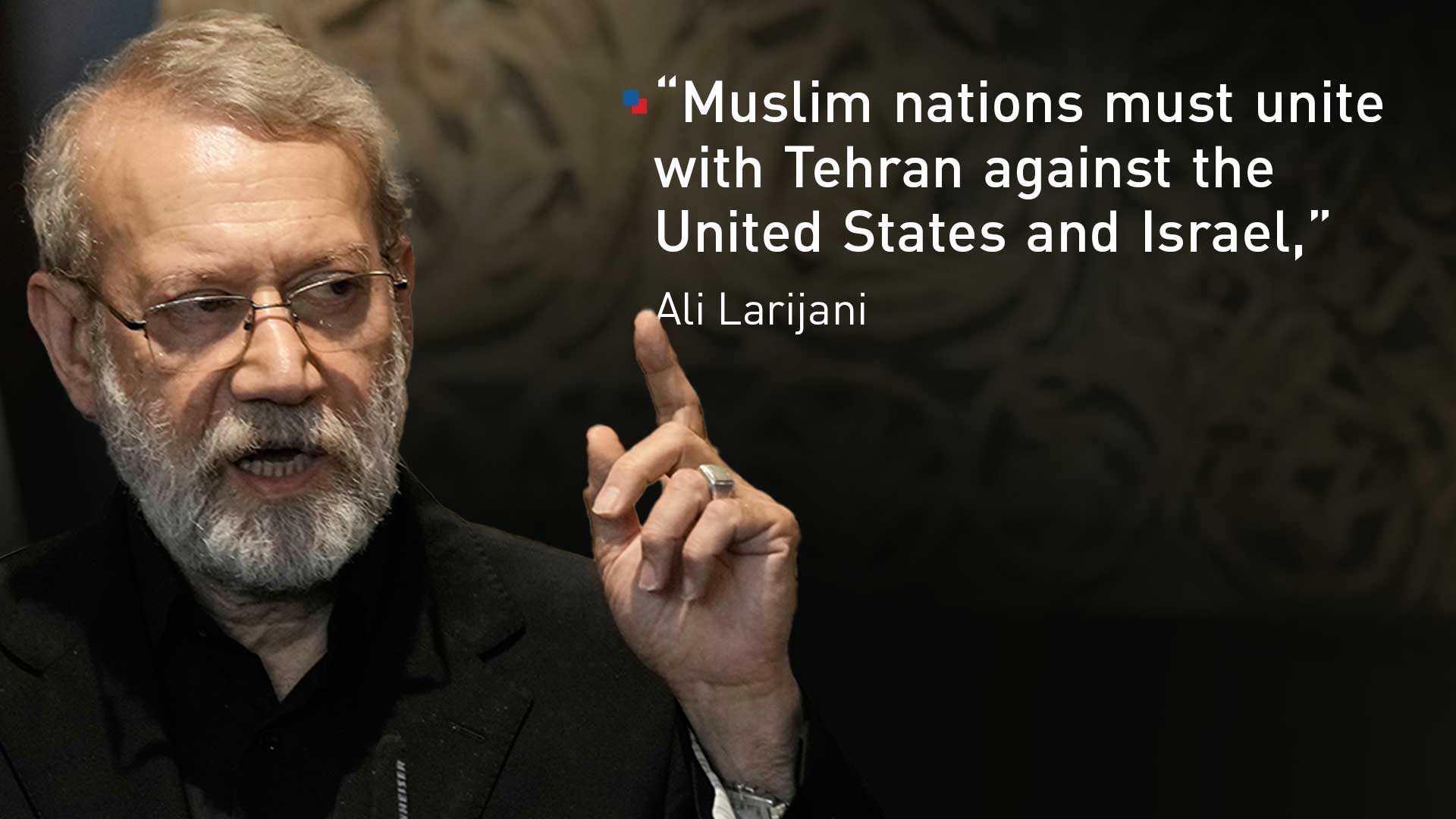
ERBIL (Kurdistan24) — Ali Larijani, head of the Supreme National Security Council of Iran, on Monday called on Muslim nations to unite with Tehran against the United States and Israel, criticizing Islamic governments for what he described as insufficient support during the ongoing conflict.
In a statement published on his account on the social platform X, Larijani accused Washington and Israel of launching what he called a “deceptive American-Zionist aggression” against Iran while diplomatic negotiations were underway.
He said the attacks resulted in the death of the senior leader of the Islamic Revolution along with civilians and military commanders, but argued that the Iranian public had mounted what he described as “solid national and Islamic resistance.”
“Despite the aggression, the Iranian people, through their strong will, were able to suppress the aggressor enemy to the point that today it is unable to find a way out of this strategic impasse,” Larijani wrote.
The senior Iranian official also expressed frustration with what he described as the limited backing from other Muslim-majority states, saying that—with rare exceptions—Islamic countries had not stood alongside Iran beyond issuing political statements.
Citing a saying attributed to the Prophet Muhammad, Larijani questioned the stance of governments that had not supported Tehran during the war.
“He who hears a man calling ‘O Muslims’ and does not answer him is not a Muslim,” Larijani wrote, asking Muslim nations to reconsider their positions in the conflict.
Larijani also criticized countries hosting American military bases in the region, arguing that Tehran’s strikes on such installations were acts of self-defense. Some governments, he said, had accused Iran of hostility after it targeted U.S. bases and American or Israeli interests on its territory.
“Is Iran expected to stand idly by while American bases in your countries are used to attack it?” he wrote, calling such arguments “flimsy excuses.”
Framing the confrontation as a broader geopolitical and ideological struggle, Larijani said the current conflict pits the United States and Israel against “Muslim Iran and the forces of resistance,” and asked Islamic governments to determine which side they would support.
The statement comes amid intensifying hostilities across the region following extensive U.S. and Israeli strikes on Iranian military facilities and Tehran’s retaliatory attacks on regional targets linked to Washington and its allies.
Larijani concluded by urging greater unity among Muslim countries, arguing that closer cooperation across the Islamic world could ensure long-term security, development, and independence from foreign influence.
“The unity of the Islamic Ummah, if achieved with full strength, is capable of ensuring security, progress, and independence for all its countries,” he said.
More broadly, Larijani’s message underscores Iran’s attempt to rally political and ideological backing across the Muslim world as the conflict with the United States and Israel intensifies.
While many governments in the region have sought to avoid direct involvement, the war has already strained regional stability and drawn neighboring states into its strategic fallout, including attacks on U.S. facilities and energy infrastructure across the Gulf.
Observers warn that the positions adopted by regional powers in the coming weeks could play a critical role in determining whether the confrontation remains contained or evolves into a wider regional