Trump Heads to Beijing Seeking China’s Help on Iran and Hormuz Crisis
Analysts say Xi Jinping holds major leverage as Washington struggles with widening Middle East tensions
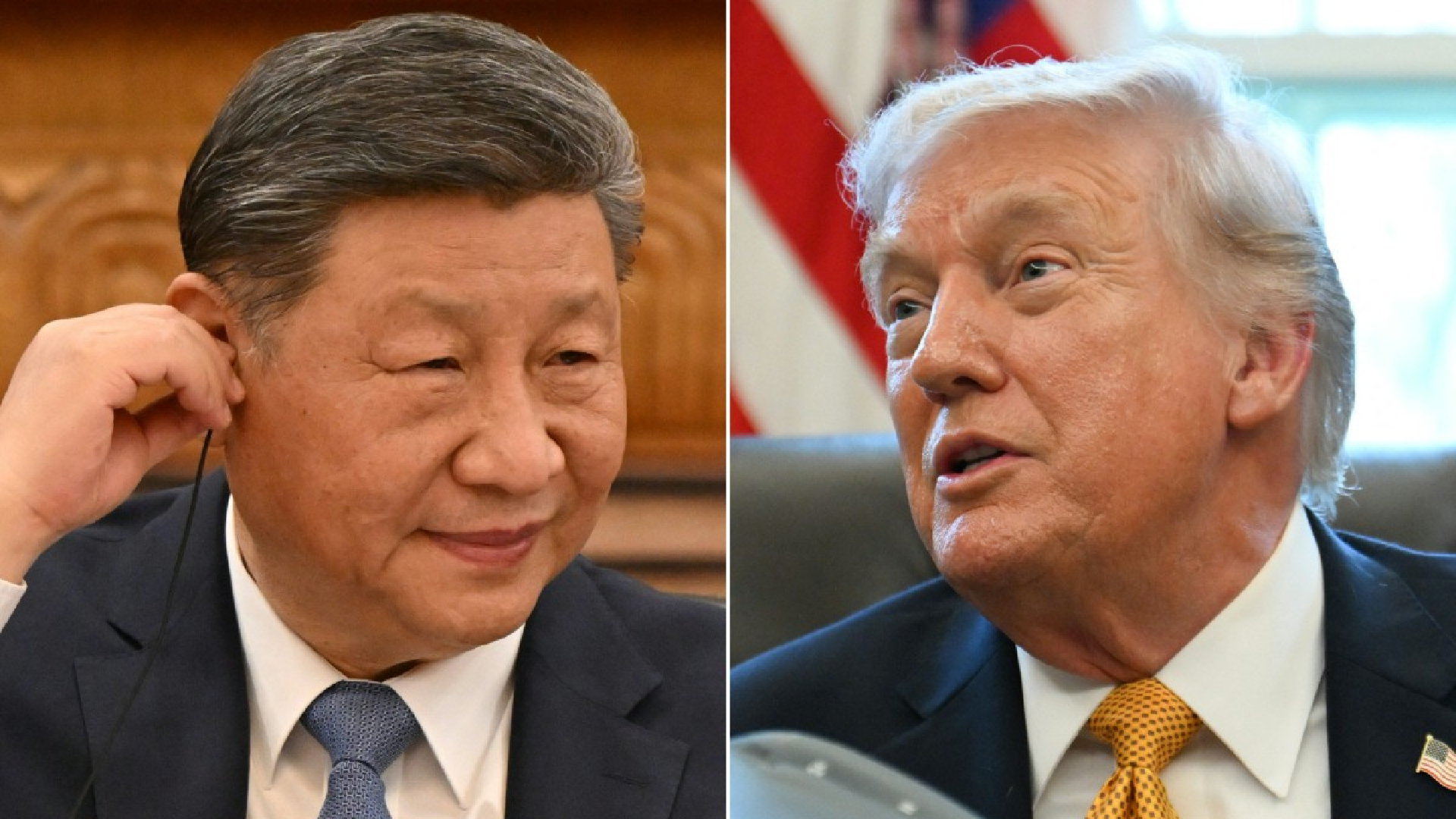
ERBIL (Kurdistan 24) - U.S. President Donald Trump is expected to travel to Beijing this week for a high-stakes summit with Chinese President Xi Jinping amid growing pressure on Washington over the wars and crises unfolding across the Middle East.
According to The Guardian's analysis published Sunday, the Trump administration is increasingly relying on China’s influence over Iran as Washington attempts to prevent a broader regional escalation and secure stability in the Strait of Hormuz, one of the world’s most critical energy corridors.
The report argues that Trump enters the Beijing summit from a weakened geopolitical position following months of instability involving Iran, Lebanon, Gaza, Ukraine, and rising tensions with U.S. allies.
Analysts cited in the report say Washington is particularly seeking Chinese cooperation to discourage Iran from escalating military confrontation if negotiations collapse, while also hoping Beijing can help maintain maritime stability in the Strait of Hormuz as part of a broader framework agreement currently being discussed between Washington and Tehran.
The diplomatic pressure comes as the United States continues balancing military operations with negotiations linked to the Iran conflict. In recent weeks, Washington has intensified naval deployments in the Gulf while simultaneously pursuing indirect diplomacy through mediators including Qatar, Pakistan, Türkiye, Egypt, and Saudi Arabia.
The report also highlights growing speculation that Beijing may seek strategic concessions related to Taiwan in exchange for broader cooperation with Washington regarding Iran and regional security issues.
According to the analysis, China views the current Middle East crisis as both a challenge and an opportunity. While Beijing remains concerned about rising oil prices and disruptions to global trade, the conflict has also diverted significant American military attention away from Asia toward the Middle East.
China remains heavily dependent on Gulf energy supplies. The report notes that roughly 80 percent of Iranian oil exports were directed toward China last year, while safe navigation through the Strait of Hormuz remains strategically critical for Beijing as the world’s largest crude oil importer.
Beijing has increasingly positioned itself as a diplomatic actor in the regional crisis. China recently hosted direct talks with Iranian Foreign Minister Abbas Araghchi and has publicly supported mediation efforts led by Pakistan and the Gulf states.
Chinese officials have repeatedly called for de-escalation and renewed diplomacy. Xi Jinping recently warned against what he described as a return to “the law of the jungle,” emphasizing the importance of respecting international law and negotiated solutions. Xi pointed out on April 14 during the meeting between the Chinese and Spanish leadership in Beijing.
The upcoming summit comes amid broader fears that continued instability in the Middle East could further disrupt global energy markets, maritime trade routes, food prices, and international supply chains already strained by years of geopolitical confrontation.
Meanwhile, some analysts argue that the current conflict has exposed limits in Washington’s military and diplomatic leverage, while strengthening Beijing’s efforts to portray China as a more stable global actor compared to the increasingly unpredictable foreign policy direction of the United States.
Others caution that despite Beijing’s interest in avoiding wider instability, China is unlikely to fully align itself with Washington’s objectives and may instead seek to maximize its strategic advantages in both the Middle East and Asia.
The meeting between Trump and Xi is expected to be closely watched internationally, not only for its implications on the Iran crisis, but also for its potential impact on U.S.-China relations, Taiwan, global energy markets, and the future balance of power between Washington and Beijing.