Ship struck near Qatar as Iran warns of retaliation against U.S. bases and ships
Britain says projectile hit commercial vessel near Doha as Gulf tensions rise despite fragile Iran-U.S. ceasefire
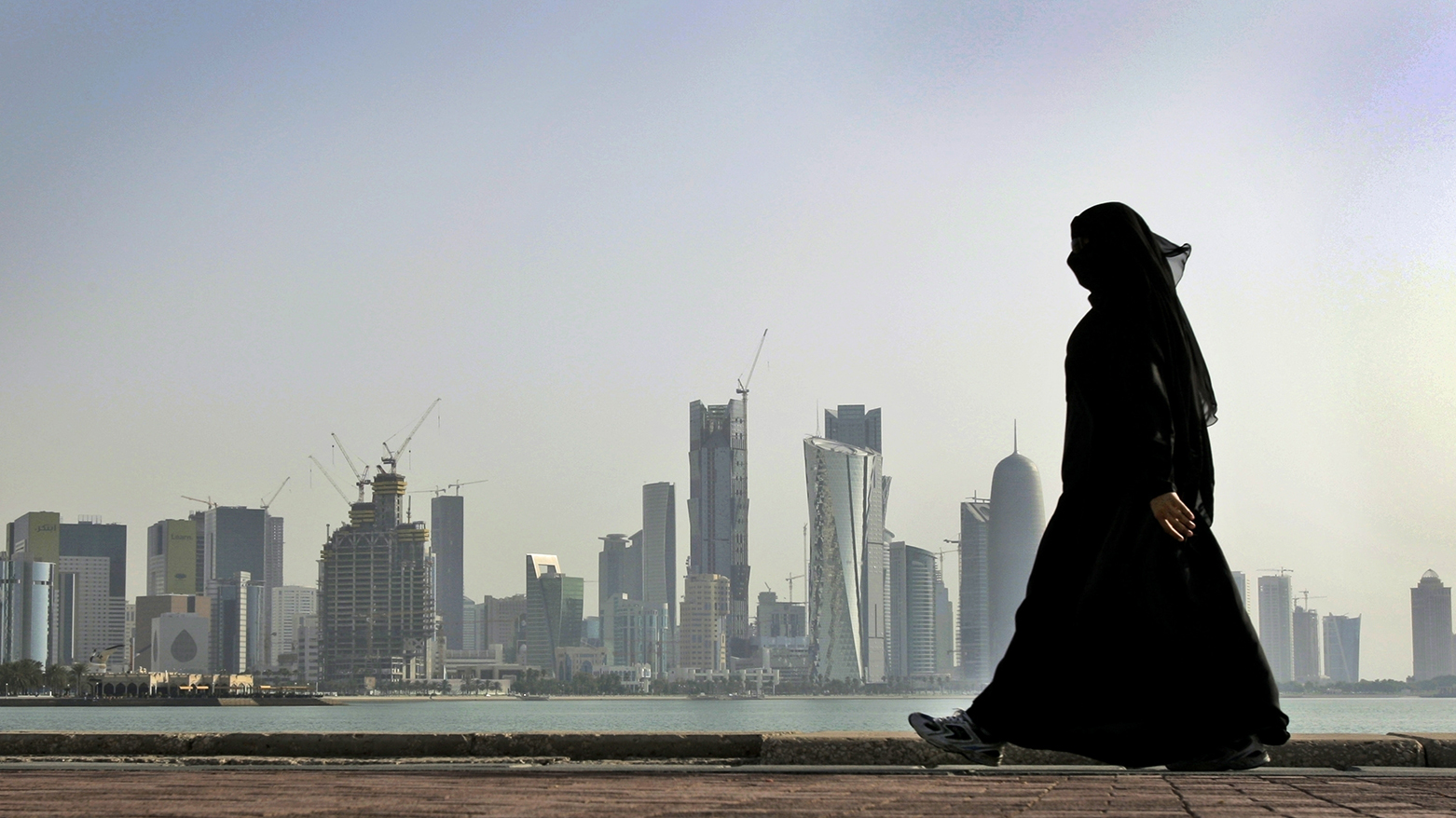
ERBIL (Kurdistan24) — A commercial vessel caught fire after being struck by an unidentified projectile off the coast of Qatar on Sunday, British maritime authorities said, in the latest sign of mounting instability in the Gulf despite a fragile ceasefire between the United States and Iran.
The United Kingdom Maritime Trade Operations (UKMTO) said the attack targeted a bulk carrier approximately 23 nautical miles northeast of Doha. The strike caused a small fire onboard, which was later extinguished, with no casualties reported.
The incident comes amid heightened tensions across the Gulf following weeks of confrontation linked to the war between Washington and Tehran, including disruptions to maritime traffic in the Strait of Hormuz and reciprocal attacks on shipping and energy infrastructure.
On Saturday, Iran’s Islamic Revolutionary Guard Corps navy warned that any attack on Iranian oil tankers or commercial vessels would trigger a “heavy assault” on U.S. military bases in the region as well as “enemy ships.”
Iranian state media reported the warning one day after the United States allegedly struck two Iranian oil tankers that Washington said were attempting to breach its blockade of Iranian ports. The incident cast further uncertainty over the month-old ceasefire, which U.S. officials maintain remains in effect.
The Strait of Hormuz, a narrow maritime corridor linking the Gulf to global markets, has remained heavily disrupted since the outbreak of war on Feb. 28 between Iran, the United States, and Israel. Iran has largely restricted traffic through the waterway, causing sharp fluctuations in global oil prices and increasing fears of a broader regional escalation.
Meanwhile, the United States has intensified its own blockade measures targeting Iranian shipping. According to the United States Central Command, American forces have turned back 58 commercial ships and disabled four vessels since the blockade began on April 13.
Regional tensions further escalated after authorities in Bahrain announced the arrest of 41 people accused of links to Iran’s Revolutionary Guard. Bahrain’s Interior Ministry alleged the group had communicated with the IRGC and collected funds intended to support what it described as Iranian “terrorist operations.”
The arrests prompted a sharp warning from Iranian lawmaker Ebrahim Azizi, head of the Iranian parliament’s national security commission, who cautioned Bahrain against aligning with U.S.-backed measures targeting Tehran.
“Siding with the U.S.-backed resolution will bring severe consequences,” Azizi wrote on social media, adding that the Strait of Hormuz remained a “vital lifeline.”
Bahrain, home to the U.S. Navy’s Fifth Fleet headquarters, has long faced tensions between its Sunni-led monarchy and its Shiite-majority population. Human rights organizations have previously accused the kingdom of using regional security concerns to suppress dissent.
Amid fears of further attacks on maritime traffic, the Ministry of Defense announced it would deploy the warship HMS Dragon to the Middle East as part of preparations for a possible international mission aimed at securing commercial shipping routes in the Strait of Hormuz.
British officials said the destroyer would preposition in the region ahead of a potential U.K.- and French-led maritime security operation once hostilities subside. France has also begun moving an aircraft carrier strike group toward the Red Sea in anticipation of future naval operations.
London and Paris have been leading talks involving dozens of countries on establishing a coalition to restore freedom of navigation through the strait, though officials stress any deployment depends on a sustainable ceasefire and assurances from the maritime industry that transit can resume safely.
Diplomatic efforts to preserve the ceasefire and negotiate a broader settlement have continued behind the scenes.
Donald Trump has repeatedly warned that the United States could resume large-scale bombing operations if Tehran refuses to accept a deal reopening the Strait of Hormuz and limiting Iran’s nuclear activities.
Iranian Foreign Ministry spokesperson Esmail Baghaei said Friday that Tehran was not focused on U.S. “deadlines” regarding negotiations.
At the same time, Prime Minister Shehbaz Sharif said Pakistan had been communicating with both Washington and Tehran “day and night” in efforts to preserve the ceasefire and broker a lasting agreement.
Vladimir Putin also said Moscow’s proposal to remove enriched uranium from Iran as part of a negotiated settlement remained under consideration, arguing that such a move would place the material under the supervision of the International Atomic Energy Agency.
Separately, top diplomats from Egypt and Qatar reiterated that diplomacy remained the only viable path toward resolving the conflict, according to a Qatari readout of talks between the two foreign ministers.
Still absent from public view since the war began is Iran’s new Supreme Leader, Mojtaba Khamenei, fueling continued speculation over his condition and status.
A senior Iranian official said Friday that Khamenei remained in “complete health” and would eventually reappear publicly. Mazaher Hosseini, a figure linked to the office of Iran’s late Supreme Leader Ali Khamenei, said Mojtaba Khamenei had suffered knee and back injuries during the opening phase of the war but had largely recovered.