Iran Hardline Faction Intensifies Efforts to Block U.S. Nuclear Deal Talks
Hardline Iranian factions dubbed "Super Revolutionaries" are intensifying efforts to derail U.S.-Iran negotiations, according to CNN. The group, rooted in anti-West ideology, is exploiting internal divisions in Tehran and complicating nuclear diplomacy.
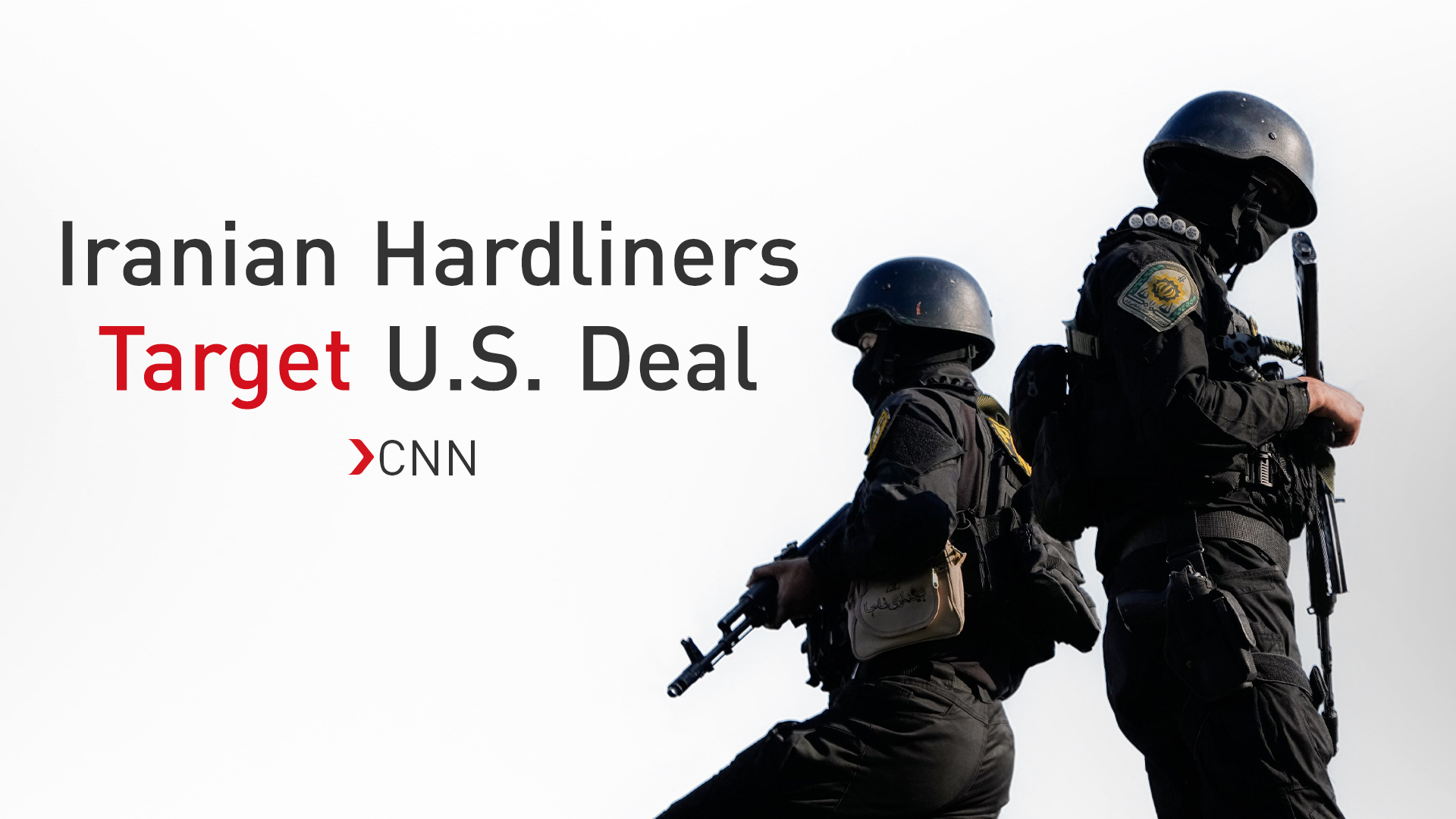
ERBIL (Kurdistan24) - As high-stakes negotiations between Washington and Tehran reach a pivotal juncture, a small but strategically positioned hardline faction within Iran is intensifying efforts to obstruct a potential agreement.
According to a recent report by CNN on Saturday, this group, frequently categorized by observers as "Super Revolutionaries", is actively seeking to sabotage diplomatic engagement, viewing any compromise with the United States as a fundamental betrayal of the 1979 Islamic Revolution's core values.
The emergence of this ultra-conservative resistance highlights a profound structural rift within the Islamic Republic's political establishment.
CNN reported that while the country's new leadership, including Supreme Leader Mojtaba Khamenei, has sought to project a cohesive image following the death of former leader Ali Khamenei in late February, the internal reality is one of significant disarray.
This friction between diplomatic pragmatists and ideological hardliners has reportedly influenced the strategic calculus of U.S. President Donald Trump, who has characterized the Iranian leadership as "fractured" and in a state of disarray.
CNN's analysis suggests that the influence of these radical elements extends beyond mere rhetoric.
By utilizing media platforms, parliamentary maneuvers, and street demonstrations, the faction is attempting to redraw Iran's red lines in negotiations, particularly concerning its nuclear program.
The significance of this internal struggle lies in its potential to dictate the trajectory of Iran's foreign policy during the most acute existential crisis the regime has faced in decades.
Hardliner Factions in Focus: The Endurance Front
At the center of this diplomatic obstruction is a group known as Jebhe-ye Paydari, or the Endurance Front.
According to CNN, the members of this faction view themselves as the ultimate guardians of the revolutionary legacy.
Their ideological platform is built upon a premise of eternal resistance against the United States and Israel, rooted in a rigid Shia Islamist framework.
The report described these "Super Revolutionaries" as being distinct even from traditional Iranian conservatives due to their extreme hostility toward the West.
Hamidreza Azizi, a visiting fellow at the German Institute for International and Security Affairs, told CNN that the group believes in a religious ideology that necessitates a continuous fight against Western influence until the "end of times."
This apocalyptic outlook reportedly makes the group immune to the standard methods of political appeasement typically used by the Iranian state to manage internal dissent.
Despite being viewed as a fringe element by some members of the establishment, the group maintains deep institutional roots.
CNN reported that the Endurance Front is embedded in influential power centers, boasting ties to senior media figures, high-ranking politicians, and influential religious authorities.
One of its most visible leaders, former national security chief Saeed Jalili, demonstrated the group's reach by securing 13 million votes in the 2021 presidential election.
Internal Strife and the Diplomatic Context
The current negotiations, facilitated through third parties in Pakistan, have become the primary battlefield for Iran's internal power struggle.
According to CNN, Tehran initially attempted to include members of the hardline faction in the negotiating team in Islamabad to demonstrate domestic unity.
However, this strategy appears to have backfired as these members have become the most vocal critics of the process upon their return.
One prominent example cited by CNN is lawmaker Mahmoud Nabavian. Although he was part of the official delegation, Nabavian later characterized negotiating over Iran's nuclear program as a "strategic mistake."
On social media, he specifically targeted Foreign Minister Abbas Araghchi and chief negotiator Mohammad Baqer Qalibaf, accusing them of repeating the perceived failures of the 2015 nuclear deal.
The hardline faction's rhetoric often involves accusations of cowardice and disloyalty.
CNN reported that an article in Raja News, an outlet associated with the Paydari Front, criticized negotiators for "smiling at the killers" of the former Supreme Leader.
By framing diplomacy as a personal affront to the memory of Ali Khamenei, the group seeks to make any potential agreement politically toxic for the current administration in Tehran.
Mobilization and the Shift in Power Centers
Following weeks of military pressure from the U.S. and Israel, the Endurance Front has succeeded in carving out a new power center on the streets of Tehran.
CNN reported that the group has capitalized on the heightened nationalist and revolutionary sentiment following the strikes to stage nightly rallies.
These gatherings serve to pressure the new leadership and ensure that the "revolutionary" younger generation remains committed to an uncompromising stance.
The group's ideological continuity is maintained through the teachings of radical clerics.
CNN noted that the current spiritual guide for the faction, Ayatollah Mahdi Mirbaqiri, harbors apocalyptic views and has previously called for a "comprehensive clash" with the West.
Experts cited in the report suggest that the group is effectively representing itself as the manifestation of the "pious revolutionary" ideal, aimed at carrying on the Islamic Republic's legacy without compromise.
This mobilization has created a paradox for the Iranian government.
While the regime relies on the fervor of these hardliners for its internal security and ideological legitimacy, their actions are increasingly making the state ungovernable on the international stage.
CNN's analysis suggests that the hardline group is betting that by forcing the U.S. to capitulate through continued conflict, Iran can dictate more favorable terms, rather than negotiating from what they perceive as a position of weakness.
Strategic Implications and Growing Isolation
The aggressive tactics of the Endurance Front have prompted a rare moment of unity among their political rivals.
CNN reported that the group's attempts to sow division during a national crisis have sounded alarm bells across the Iranian political spectrum.
Rival politicians, media outlets, and commentators have reportedly begun a coordinated effort to isolate the radical fringe.
Mohammad Ali Shabani, editor of Amwaj.media, told CNN that the hardline faction's noise is increasingly perceived as aiding Israel and the United States by confirming the narrative of a divided Iran.
Shabani suggested that the fringe radicals are now facing "pushback from every direction."
This isolation is driven by the fear that the hardliners' insistence on continued fighting could lead to the total collapse of the state's economy and infrastructure.
However, the report clarifies that the debate is often less about the necessity of an agreement and more about who maintains control over the process.
CNN suggested that many hardliners are not opposed to a deal in principle but want to be the ones to execute it to ensure they gain the resulting domestic influence and can realign power structures in their favor.
Internal Dynamics as a Diplomatic Barrier
The persistence of these radical factions ensures that internal political dynamics will remain a decisive factor in shaping Iran's diplomatic trajectory.
As long as the "Super Revolutionaries" maintain their ability to influence public opinion and institutional decision-making, the path to a sustainable agreement with the United States remains fraught with risk.
CNN's reporting underscores that the greatest challenge to a resolution of the Iran conflict may not be the external military pressure, but the internal ideological warfare currently unfolding in Tehran.
Whether the pragmatists can successfully isolate the radical elements or if the hardliners will succeed in sabotaging the diplomatic track remains an unresolved question that will ultimately determine the future of the Middle East's security landscape.