IRGC Confirms Death of Iran Intelligence Chief as Regional Conflict Intensifies
The confirmation came hours after Israel Katz, Israel’s Defense Minister, announced earlier in the day that Israeli forces had successfully targeted and killed Khatib during the attacks
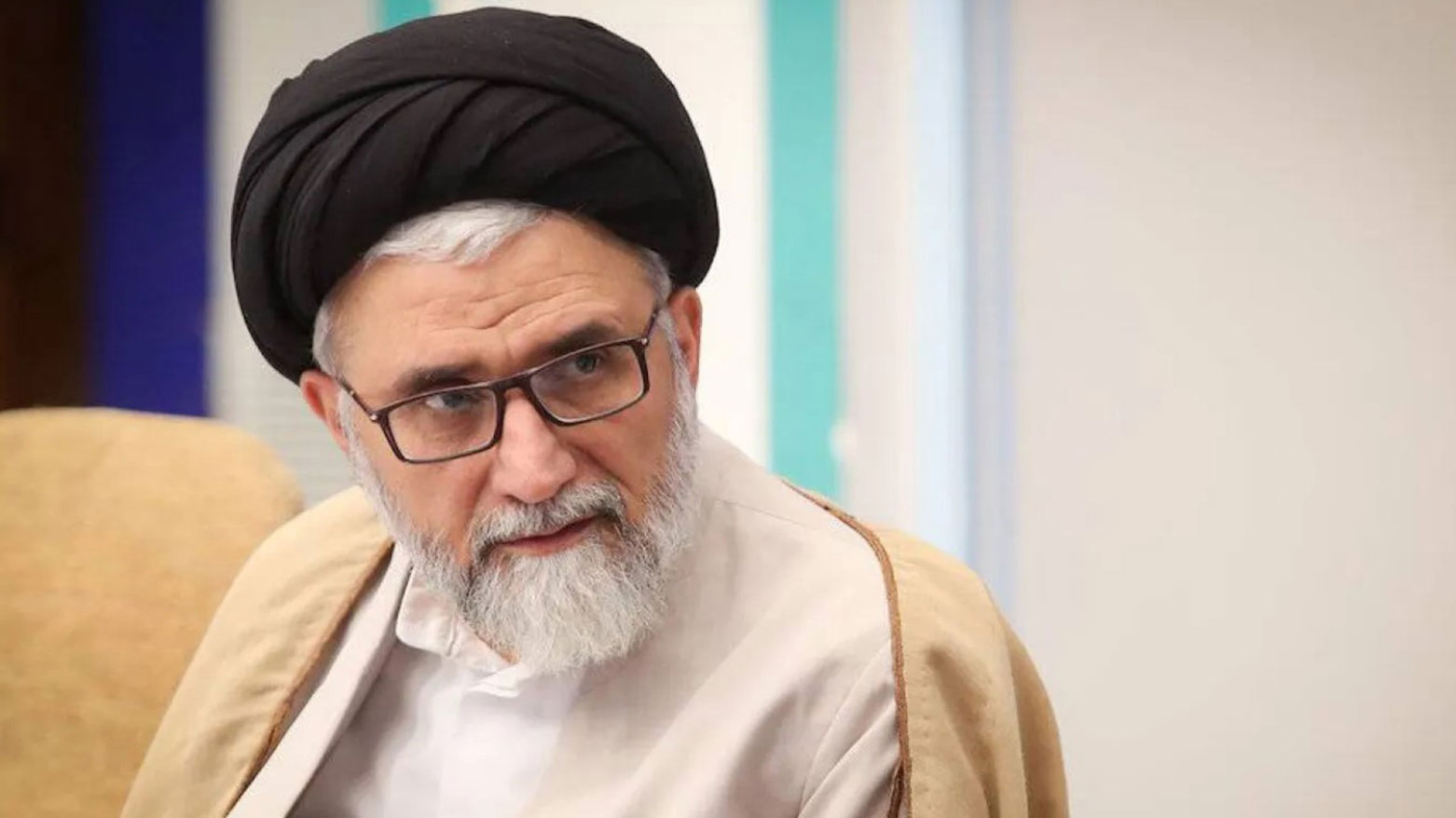
ERBIL (Kurdistan24) – On Wednesday, the Islamic Revolutionary Guard Corps (IRGC) officially confirmed the death of Esmail Khatib, Iran’s Minister of Intelligence, following overnight strikes on Tehran.
The confirmation came hours after Israel Katz, Israel’s Defense Minister, announced earlier in the day that Israeli forces had successfully targeted and killed Khatib during the attacks. Katz stated that Israeli military units have been authorized to eliminate any high-ranking Iranian official within operational reach, describing the current phase of the conflict as “critical and decisive.”
Khatib, who had served as Iran’s intelligence chief, was previously sanctioned by the United States Department of the Treasury in 2022. The Treasury accused him of overseeing cyber operations targeting the United States and its allies, including espionage campaigns and ransomware attacks carried out to advance Tehran’s political objectives.
The killing marks a significant escalation in an already volatile regional conflict. In response, Iran launched missile strikes on Gulf countries and Israel later on Wednesday, deploying advanced projectiles designed to evade air defense systems. The attacks killed two people near Tel Aviv.
Since the initial strikes by the United States and Israel on February 28, Iran has increasingly targeted energy infrastructure and military installations across the Gulf, aiming at exerting economic pressure. The strategic Strait of Hormuz remains under tight Iranian control, heightening fears of disruption to global oil supplies.
The latest developments highlight a rapidly expanding Middle East conflict, with no immediate signs of de-escalation as both sides continue to strike high-value targets across multiple fronts.