Iran's IRGC Establishes Paid Maritime Corridor in Strait of Hormuz, Charging Vessels Nearly $2 Million for Safe Passage
IRGC set up a paid maritime corridor in the Strait of Hormuz, charging vessels nearly $2 million amid rising regional tensions and reduced shipping traffic.
ERBIL (Kurdistan24) - Iran’s Islamic Revolutionary Guard Corps (IRGC) has established what it describes as a “safe maritime corridor” in the Strait of Hormuz, charging commercial vessels nearly $2 million for passage, according to a report published on Thursday.
The report, cited by Iran’s Fars News Agency from Lloyd’s List, states that the corridor is supervised by the IRGC Navy, which provides security for vessels that complete verification, registration, and payment procedures to ensure safe transit through the strait.
According to the sources cited, each shipping company pays approximately $2 million per vessel to pass through the corridor. Several oil tankers have also reportedly managed to transit after negotiations and diplomatic efforts.
The newly established route directs vessels near Iran’s Larak Island, where IRGC naval forces and port authorities conduct inspections and verify cargo to ensure consistency with submitted documentation.
Available data indicates that at least nine vessels have successfully passed through this corridor so far.
The report also notes that several countries, including India, Pakistan, Iraq, Malaysia, and China, are engaged in direct negotiations with Iranian officials to coordinate and facilitate the passage of their vessels.
This development follows remarks by Iranian Foreign Minister Abbas Araghchi on March 15, 2026, in which he stated that Iran is prepared to hold talks with countries regarding maritime transit.
Dimitris Maniatis, managing director of maritime security consultancy Marisks, said efforts are ongoing at both governmental and industry levels to establish mechanisms that ensure safe navigation for vessels not linked to the United States or Israel.
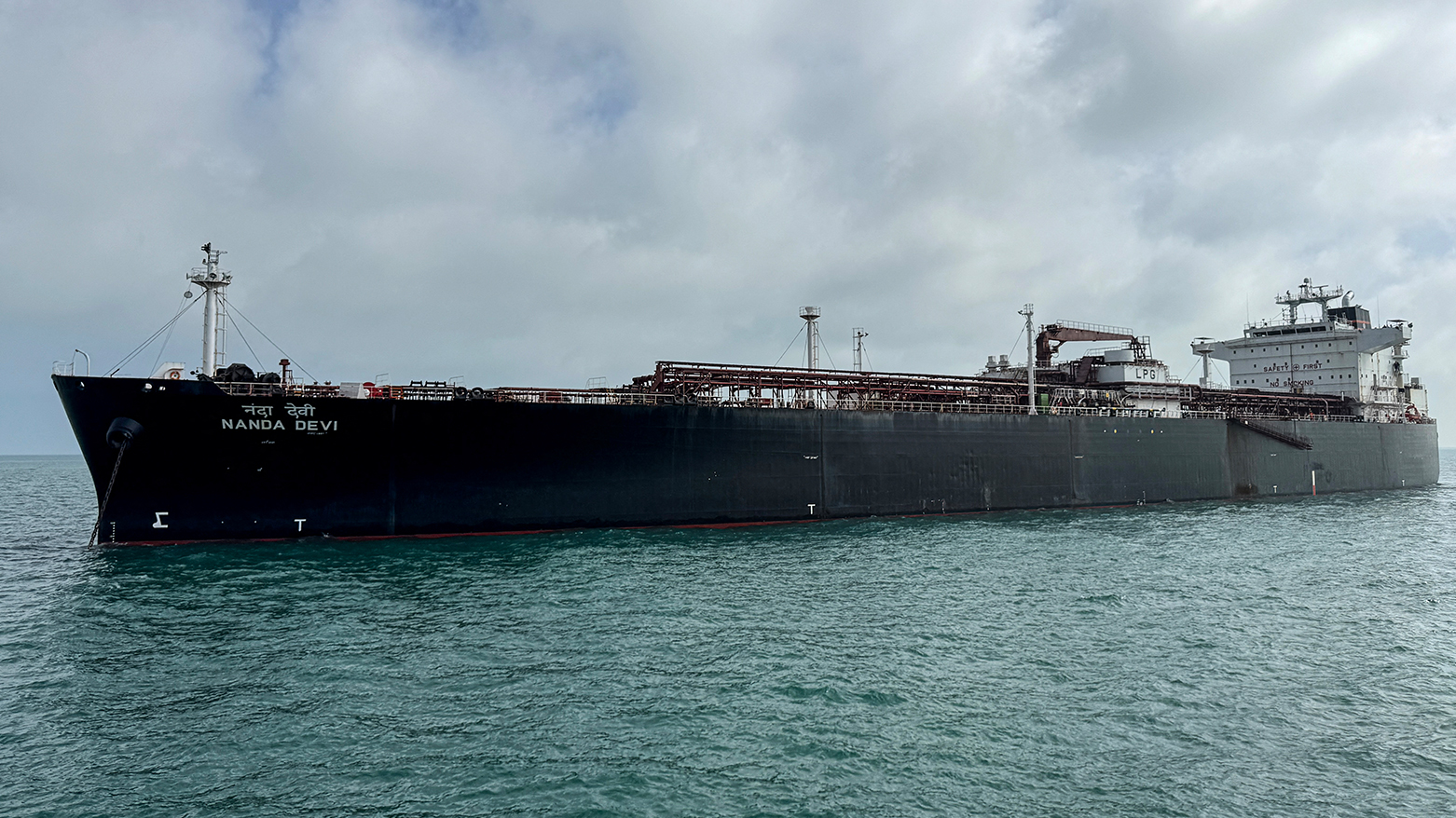
Tracking data from the Automatic Identification System (AIS) showed that two Indian gas carriers, Shivalik and Nanda Devi, used the new route starting March 13, transmitting signals near Iran’s coastline and Larak Island, indicating successful transit through the strait.
In a letter dated March 16, 2026, Iran addressed the International Maritime Organization (IMO), rejecting claims that it intends to close the Strait of Hormuz, describing such reports as “misleading.” The letter stated that maritime security and freedom of navigation cannot be ensured through threats or coercion.
According to Lloyd’s List Intelligence data, between March 15 and March 17, only 15 transits were recorded through the strait, with approximately 90 percent linked to Iranian ownership or commercial interests.
The developments come amid heightened tensions in the region. According to the Joint Maritime Information Center (JMIC), at least 21 attacks on ships and maritime infrastructure have been recorded since the beginning of the month through March 17.
The establishment of a paid “safe corridor” signals a significant shift in maritime dynamics in the Strait of Hormuz, as security, trade, and geopolitical tensions increasingly intersect.