Israel Conducts Targeted Airstrike on IRGC HQs in Tehran
The military described the strike as part of a broader effort to “deepen damage” to Iran’s key operational nodes and disrupt the IRGC’s internal control and external influence capabilities.
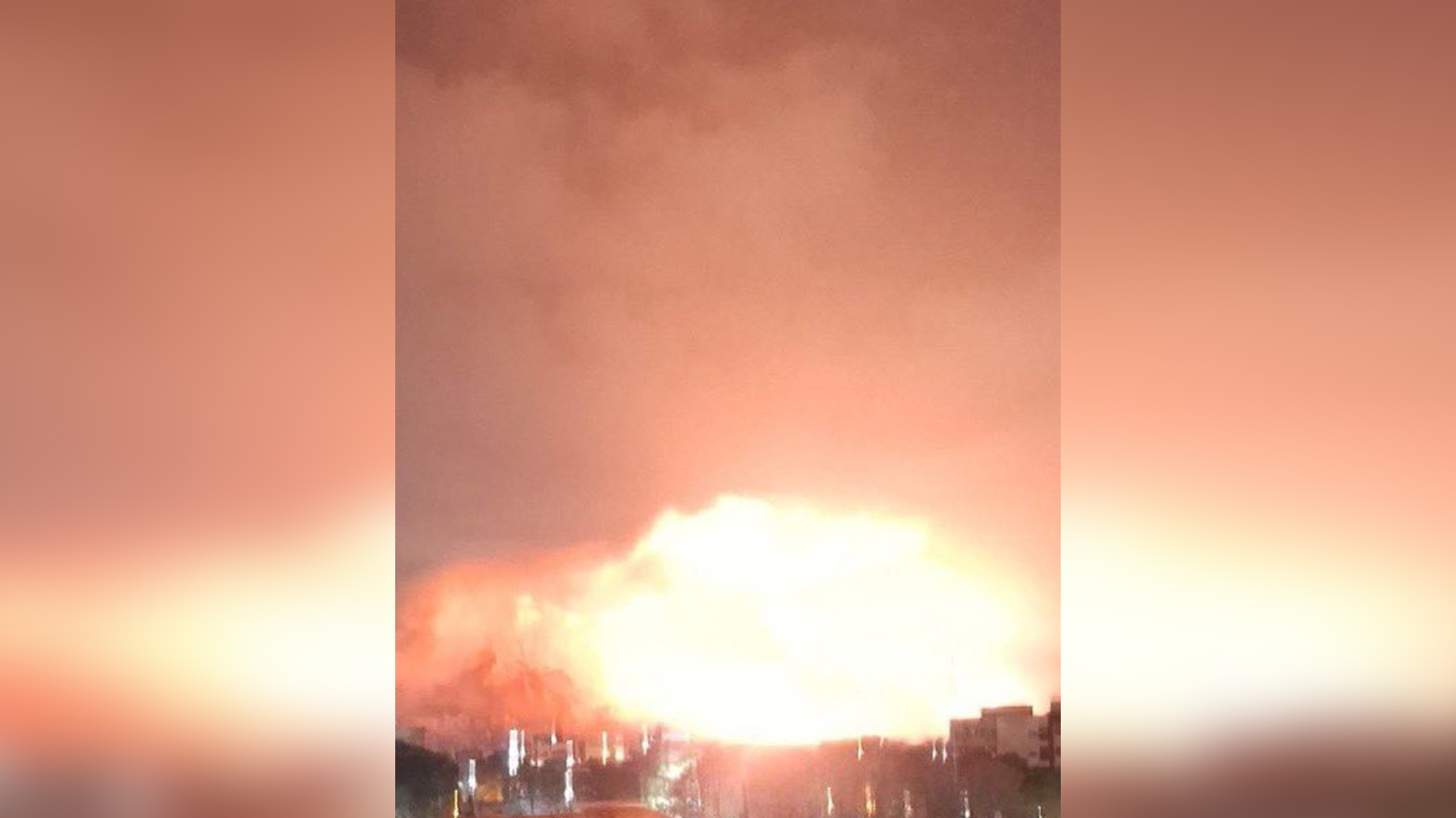
ERBIL (Kurdistan24) - The Israeli military announced Monday, that it conducted a targeted airstrike on a central headquarters of Iran’s Islamic Revolutionary Guard Corps (IRGC) in Tehran, destroying the facility while it was located within civilian infrastructure.
The Israel Defense Forces (IDF) said in a statement that the strike, carried out by fighter jets and guided by military intelligence, was aimed at a strategic IRGC command center responsible for coordinating security forces and directing Basij units involved in suppressing domestic protests.
The IDF emphasized that the headquarters had been deliberately positioned within a civilian area by Iranian authorities, effectively using the surrounding population as a shield.
In announcing the operation, Israeli officials said that multiple precautions were taken to limit civilian casualties, including the deployment of precision munitions, continuous aerial surveillance, and reliance on intelligence data to target the facility accurately.
The military described the strike as part of a broader effort to “deepen damage” to Iran’s key operational nodes and disrupt the IRGC’s internal control and external influence capabilities.
According to the IDF statement, the Tehran headquarters played a central role in consolidating coordination among various IRGC units and served as the operational hub for Basij sectors, which have historically been responsible for violently suppressing domestic protests.
Israeli officials framed the strike as a measure aimed at weakening Iran’s ability to enforce internal security through the Basij, which they said had employed mass arrests and lethal force against civilians in past demonstrations.
The airstrike occurred amid heightened tensions across the region, with Iran signaling potential retaliatory measures. Iran’s semi-official Fars News Agency, affiliated with the IRGC, reported Monday that “special plans” were being prepared for operations targeting Tel Aviv and regional allies of the United States and Israel.
The Fars report, citing informed Iranian sources, did not specify the nature or scope of these potential actions but described them as intended to “completely eliminate any hope for negotiations among the aggressors.”
Fars News Agency also indicated that disruptions in the Strait of Hormuz, a critical maritime passage for global petroleum shipments, could persist even after the conflict subsides.
The Strait, situated between Iran and the Sultanate of Oman, accounts for roughly 20% of global petroleum liquid consumption, underscoring its strategic importance to international energy markets.
Israeli military officials framed the strike as part of a strategic campaign aimed at limiting Iran’s operational reach both domestically and abroad.
“This military center played a pivotal role in coordination among various IRGC units to consolidate power and maintain internal security,” the IDF said, adding that it had acted based on precise intelligence to neutralize a high-value target while mitigating risks to civilians.
The strike comes against the backdrop of continuing regional tensions and heightened security alerts. While the IDF described the operation as narrowly targeted, Iranian sources have characterized it as part of an escalation that could provoke retaliatory measures across the region.
Fars News Agency cited Iranian officials saying that plans were being prepared “tonight” for actions targeting U.S. and Israeli allies, reflecting Tehran’s warning that it considers the strike a serious provocation.
The IDF statement noted that the operation followed careful planning and surveillance. Israeli officials said that intelligence gathering and the use of precision-guided weapons were intended to ensure the strike would hit the intended IRGC command center while avoiding unnecessary damage to surrounding civilian infrastructure.
The military described the Tehran headquarters as central to the Basij’s organizational command, which coordinates local and regional operations in response to domestic unrest.
Iranian authorities have not issued an official response confirming casualties or damage resulting from the Israeli strike. However, statements reported by Fars News Agency suggest that the IRGC and allied entities are preparing contingency measures targeting regional and international actors, including Tel Aviv.
The agency also highlighted concerns over the Strait of Hormuz, signaling potential ongoing disruption to shipping lanes critical for energy transport.
The strike illustrates the ongoing cycle of military and strategic maneuvers between Israel and Iran, with each side maintaining readiness for further actions. Israeli officials emphasized that the operation targeted a core IRGC facility, while Iranian sources highlighted potential retaliatory measures against regional actors.
The airstrike on the IRGC headquarters in Tehran represents a significant escalation in military operations targeting Iranian command and control infrastructure within the capital and underscores continuing tensions across the Middle East.