Markets Respond to Mixed Messages on Middle East Conflict and Diplomacy
Oil prices rose and equity markets showed mixed movements Thursday as investors assessed mixed messages regarding potential US-Iran peace talks amid the closure of the Strait of Hormuz.
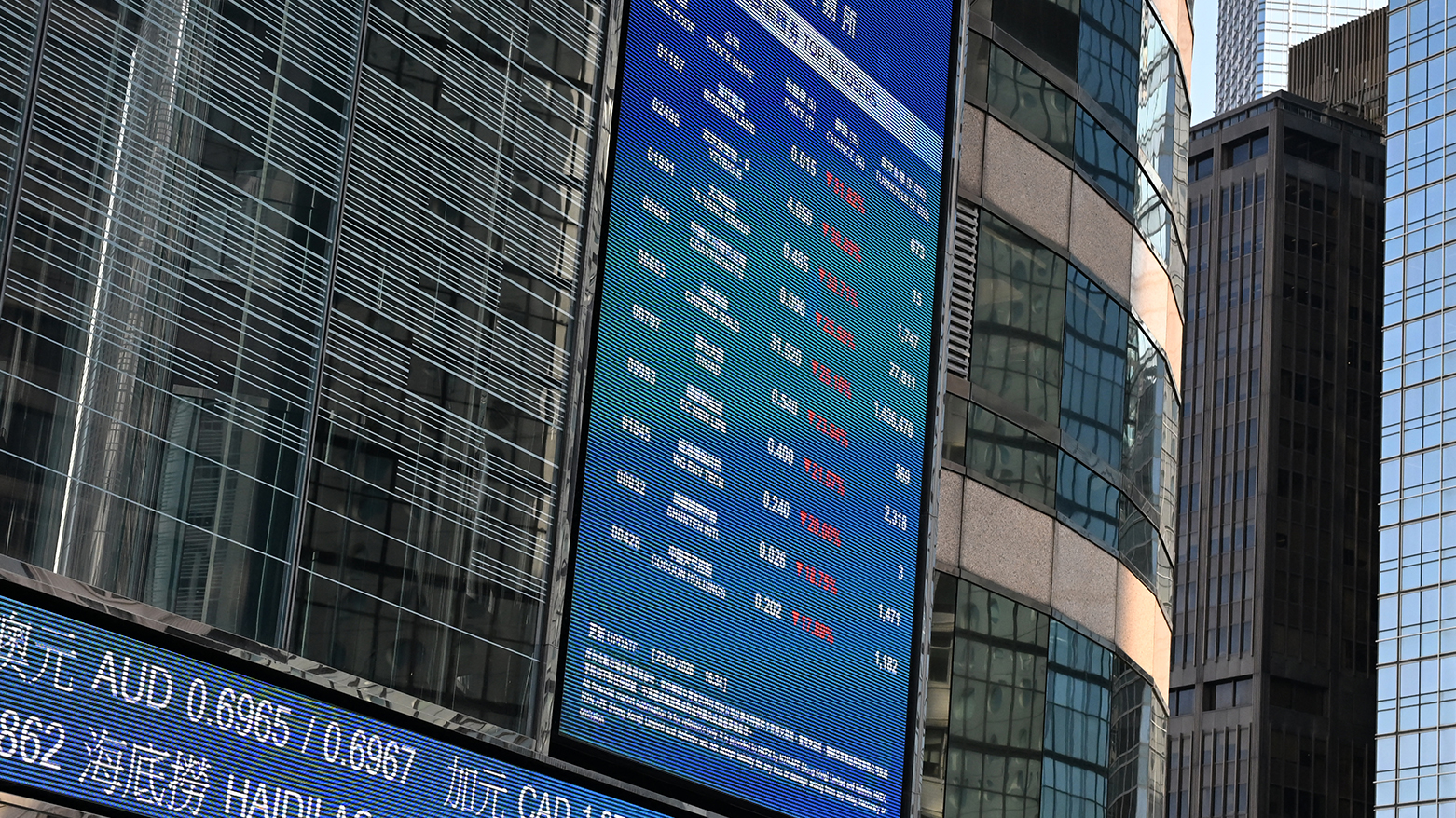
ERBIL (Kurdistan24) - Oil prices rose on Thursday while equity markets registered mixed results as investors monitored ongoing developments in the Middle East amid hopes that United States and Iranian officials could reach an agreement to end the conflict.
The conflict has increased fears of an unprecedented global energy crisis.
Markets received support since late Monday following comments by US President Donald Trump in which he backed away from a threat to destroy Iran's energy infrastructure and indicated that the two sides were engaged in peace talks.
However, uncertainty continued to affect trading, with the virtual closure of the Strait of Hormuz — a key chokepoint carrying around 20 percent of the world's oil and gas — remaining a factor.
Officials in Washington have presented a 15-point plan intended to bring the war to a close. The plan includes Iran giving up its enriched uranium and opening the waterway for shipping, sources familiar with the proposal said.
According to Iran's state-run television, officials in Tehran have put forward their own five conditions for hostilities to end.
Trump, on Wednesday, threatened to "unleash hell" if Iran did not strike a deal. The US president, however, also said Iran was taking part in peace talks. He attributed denials from the Iranian side to negotiators fearing they could be killed by their own side.
Iranian Foreign Minister Abbas Araghchi said his country does not intend to negotiate.
Despite the mixed messages, oil prices have stabilised this week, with Brent crude trading just above $100 a barrel and West Texas Intermediate around $90 a barrel. Both contracts rose around 2 percent on Thursday.
Trading figures showed West Texas Intermediate up 2.1 percent at $92.23 a barrel and Brent North Sea Crude up 2.1 percent at $104.33 a barrel at around 0700 GMT.
In equity markets, stocks on Wall Street and in Europe gained ground. Asian markets, however, struggled after recording a two-day rally.
The Nikkei 225 in Tokyo closed down 0.3 percent at 53,603.65. Hong Kong's Hang Seng Index fell 2.0 percent to 24,833.44. Shanghai's Composite index declined 1.1 percent to 3,889.08.
Indices in Seoul, Sydney, Taipei, Manila, Bangkok and Jakarta also closed lower.
The Dow Jones Industrial Average in New York rose 0.7 percent to close at 46,429.49. London's FTSE 100 advanced 1.4 percent to 10,106.84.Analyst Charu Chanana at Saxo Markets said pressure on energy prices, shipping flows and broader financial conditions remains one of the few meaningful sources of leverage Iran retains.
"There is therefore little incentive to relinquish that leverage prematurely, particularly if market stress strengthens its negotiating position," Chanana said.
She added that it would be imprudent to assume diplomacy is absent simply because it is not visible. "In conflicts of this nature, public rhetoric and private negotiation often diverge materially," she said. "Markets understand this dynamic, and they also tend to inflect before the political endgame is formally in place."
Fiona Cincotta at City Index said that for any recovery to gain traction, investors will want to see clearer signs of de-escalation, including the reopening of the Strait of Hormuz.
The head of the International Chamber of Commerce, John Denton, warned the conflict could cause the "worst industrial crisis" in decades.
Denton referred to warnings by the head of the International Energy Agency that the world is facing an energy crisis more severe than the oil shocks of the 1970s. "From a business perspective, we believe this could yet become the worst industrial crisis in living memory," he said.
The World Trade Organization said disruptions to fertiliser supplies posed a double threat to global food security through scarcity and high prices. A third of the global fertiliser supply normally transits the Strait of Hormuz.
Currency trading saw the euro fall to $1.1560 from $1.1565. The pound was at $1.3359 from $1.3365. The dollar traded at 159.35 yen from 159.47. The euro was at 86.53 pence against the pound from 86.52 pence.
The developments reflect the continued influence of Middle East tensions on global commodity and equity markets as trading unfolded Thursday.