Iran FM Says Netanyahu Gambled With U.S. Taxpayer Dollars, American Lives
“Netanyahu gambled with American taxpayer dollars and American lives. Having badly lost that gamble, he is now singlehandedly making sure that ordinary Americans, particularly retirees and those retiring in next few years, will pick up the tab,” Iran FM stated.
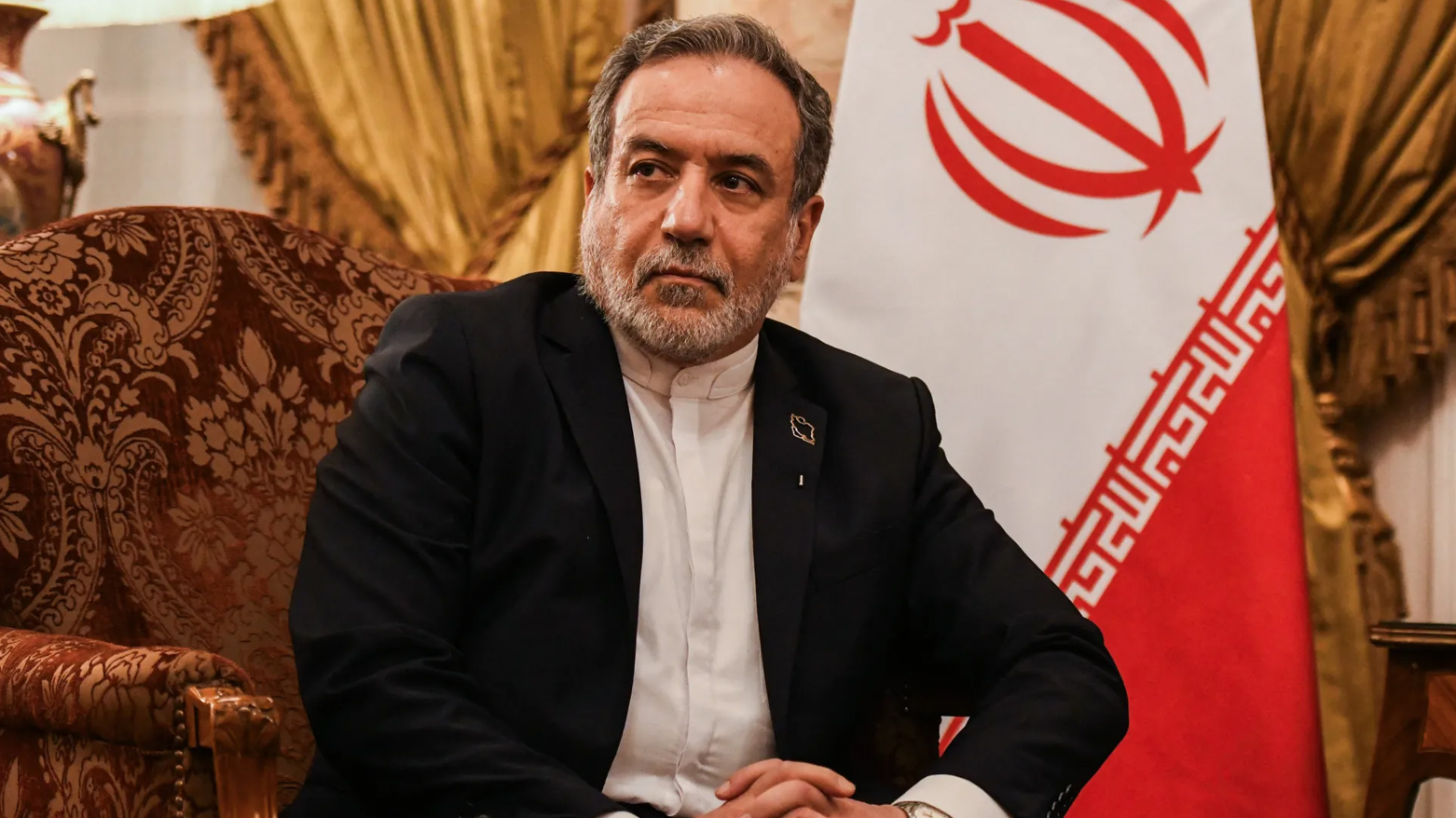
ERBIL (Kurdistan24) - Iran’s Foreign Minister Abbas Araghchi wrote on X on Friday, that U.S. and Israeli actions in the region are endangering American citizens financially and militarily.
“Netanyahu gambled with American taxpayer dollars and American lives. Having badly lost that gamble, he is now singlehandedly making sure that ordinary Americans, particularly retirees and those retiring in next few years, will pick up the tab,” the minister stated.
The remarks follow an escalation of hostilities in the region involving Iran, Israel, and U.S.-led operations. Israeli Defense Minister Israel Katz said Friday that Israeli forces will intensify and broaden strikes against Iran in response to continued missile launches toward Israeli territory.
“Despite the warnings, the firing continues — consequently, IDF strikes in Iran will intensify and expand to other targets in sectors that help the regime develop and use military means against Israeli civilians,” Katz said in a video released by his office.
Katz added that Iran would “pay a heavy price, an increasingly heavy one, for this war crime,” according to AFP.
Iranian state media reported that a recent round of missile strikes from Tehran marked the 83rd wave targeting Israel, prompting air raid sirens in central areas, including Tel Aviv and Jerusalem.
In parallel, Iranian officials reported that an explosion in Qom early Friday killed at least six people, following strikes on residential buildings in the Pardisan neighborhood, citing what were described as bunker-buster munitions.
Araghchi accused the United States and Israel of targeting civilian infrastructure, including schools, medical centers, and water facilities, describing the alleged attacks as “crimes against humanity” during remarks to the United Nations Human Rights Council.
U.S. Secretary of State Marco Rubio attended a G7 foreign ministers’ meeting near Paris on Friday, facing questions over U.S. operations in Iran and the closure of the Strait of Hormuz.
Rubio defended U.S. actions, stating that reopening the Strait served “the interest of all G7 nations” and that the military strategy was “not just doing a favour to the United States and to our people. This is for the world,” according to AFP.
The session highlighted divisions among G7 members, with France emphasizing a “truly diplomatic approach” and Britain affirming defensive but not offensive support.
Germany’s Foreign Minister Johann Wadephul confirmed that Berlin has not received formal U.S. requests for military involvement in the Strait of Hormuz and is maintaining a non-combat role focused on diplomatic coordination with the United States, European allies, and regional stakeholders.
Wadephul noted that indirect contacts between Washington and Tehran have occurred and preparations are underway for direct talks in Pakistan. He also emphasized ongoing coordination with France and the United Kingdom on a common European position.
The regional impact of the conflict has extended to infrastructure, with Kuwaiti authorities reporting an early Friday attack on Mubarak Al-Kabeer Port involving drones and cruise missiles. No casualties were reported, but material damage prompted the activation of emergency procedures.
Analysts cited by Kurdistan24 noted continued market volatility, with Brent and West Texas Intermediate crude prices falling after earlier gains, reflecting a temporary pause in energy-targeted strikes and indications of diplomatic progress.
U.S. officials are reportedly considering deploying at least 10,000 additional troops to the Middle East, while Washington has paused certain strikes on Iranian energy infrastructure amid ongoing negotiations. The dual pressures of military escalation and diplomatic coordination highlight the complex environment faced by the United States and its allies.
The G7 meeting concluded without a formal joint statement; France, holding the presidency, will issue an official communiqué summarizing the discussions on Iran, regional stability, and coordination on Ukraine.
The developments underscore Iran’s accusation that Israeli and U.S. operations are exacerbating tensions and placing civilians at risk, while international actors pursue both defensive measures and diplomatic engagement.