Kurdistan Citizens Urge Kurdish Parties to Resolve Political Deadlock and Form Cabinet
Citizens and business owners across the Kurdistan Region are increasingly demanding the swift formation of a new KRG cabinet and the reactivation of parliament, warning that continued political stalemate is hurting investment, markets, and daily livelihoods.
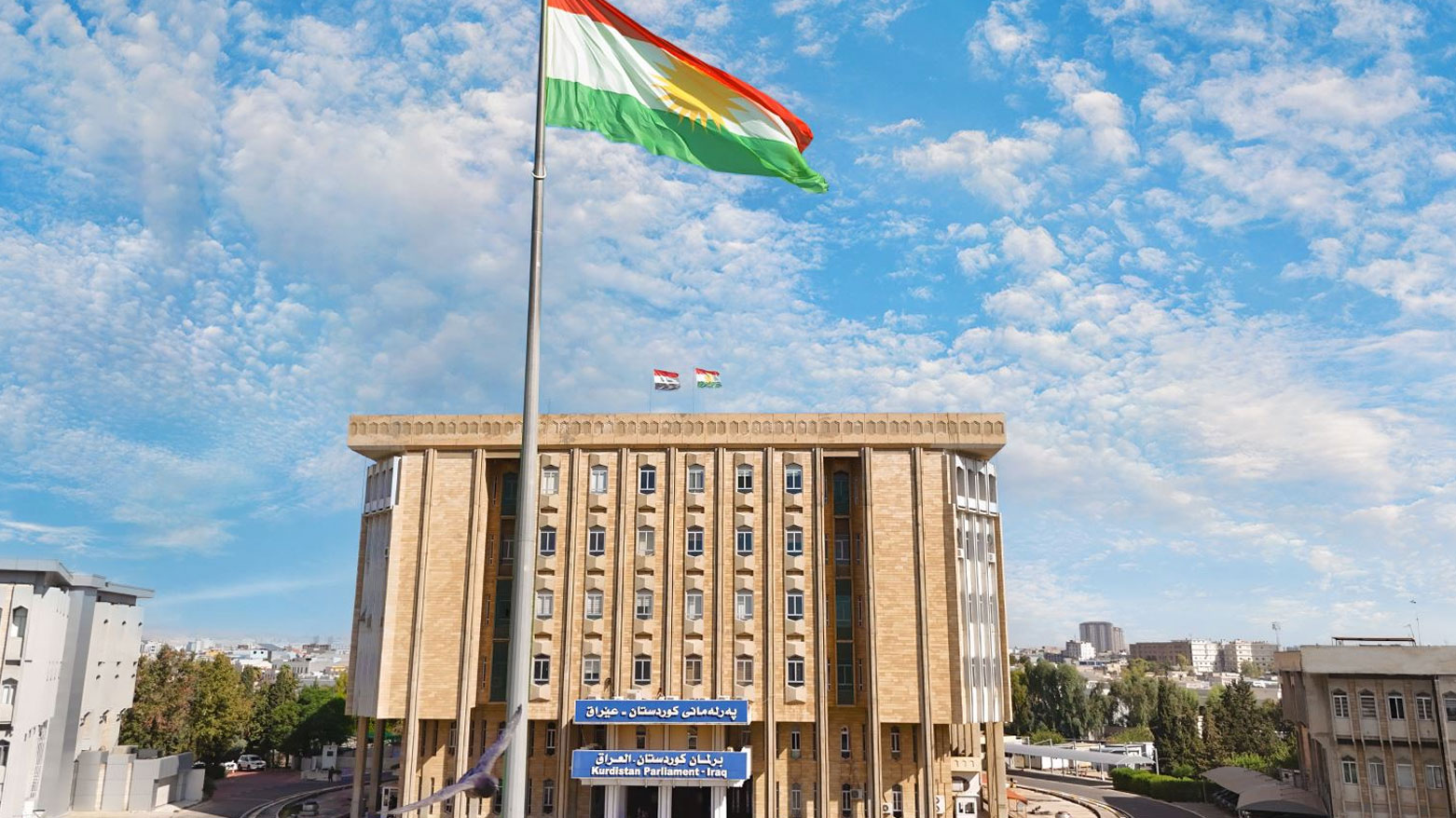
ERBIL (Kurdistan24) - Citizens and business owners in the Kurdistan Region are increasingly voicing concerns over the prolonged delay in forming a new regional government cabinet, demanding that political factions urgently activate the parliament.
According to a recent report by Kurdistan24's correspondent Hawzhin Jamal on Sunday, the prolonged period since the last elections has generated significant frustration, with residents pointing to the negative economic and administrative consequences of the ongoing political deadlock.
The report noted that the delay in reactivating the parliament and forming the new cabinet has created a pervasive sense of stagnation in the market and disrupted the daily livelihoods of citizens.
As business owners and the public urge political leaders to find an exit from the current impasse, election experts have warned that constitutional steps are being obstructed by the specific interests and conflicts of certain political forces.
Although citizens continue their daily routines, the failure to establish a functional government has left many in a state of frustrating anticipation.
The urgency of these demands is underscored by the broader governance implications for the Kurdistan Region.
The ongoing stalemate not only delays the implementation of essential public services but also undermines public confidence in the political process.
Experts argue that the continuous postponement of institutional duties creates a vacuum that directly affects economic stability, investment, and the ability of the regional administration to respond to crises.
The formation of a new government is viewed by citizens as a critical prerequisite for restoring administrative continuity and ensuring that the promises made during the election campaigns are fulfilled.
Public Expectations and Economic Concerns
The economic impact of the political deadlock is particularly visible in the region's commercial centers.
According to the report, vendors in the heart of the Sulaimani market have experienced a significant decrease in their income.
Jeza Sargalluyi, a local businessman, told Kurdistan24 that the market has been negatively impacted by a combination of factors, including the failure to form the government, regional complexities, and delays in salary distributions.
"The sooner the government is formed, the calmer the people will be and the more they will be able to start projects and businesses," Sargalluyi stated.
This sentiment reflects a broader public consensus that economic vitality is inextricably linked to political stability.
Citizens interviewed expressed that the current environment of uncertainty discourages investment and suppresses economic activity, making the immediate formation of the Kurdistan Regional Government an urgent necessity for the local economy.
Governance Delays Under Scrutiny
The failure to establish a working government has drawn sharp criticism from political and electoral experts.
The report highlighted that voting is the foundational mechanism for establishing a political system, granting citizens the right to demand rapid government formation to protect public life and regional stability.
Yad Karwan, an election expert, pointed out the stark contrast between political promises and administrative realities.
"During the election campaign, all parties were promising services and job opportunities, but nothing has been implemented," Karwan told Kurdistan24.
He further illustrated the extent of the institutional paralysis, noting that over the past year and a half, the parliament should have held dozens of meetings to amend or implement essential laws if it had maintained a standard schedule of one session per week.
Focus on Stability and Cooperation
As public frustration mounts, observers suggest that the only viable path forward requires immediate political compromise.
Reaching an agreement between the competing political parties and resuming serious dialogue is seen as the primary mechanism for overcoming the current deadlock.
The option of repeating the elections, which has been occasionally discussed in political circles, is viewed by experts as a potentially counterproductive measure that might only preserve the status quo and further deepen the crisis.
Citizens continue to urge Kurdish political parties to finalize the government formation process, emphasizing that overcoming partisan divisions is essential to ensuring administrative continuity and restoring political stability in the Kurdistan Region.