Iran Says Regional Mediation Underway as Tensions Escalate with Threats Against Israel and Gulf targets
Iran says regional mediation is underway to stop the war, while warning of Hormuz closure and threatening strikes on Israeli and Gulf industrial targets.
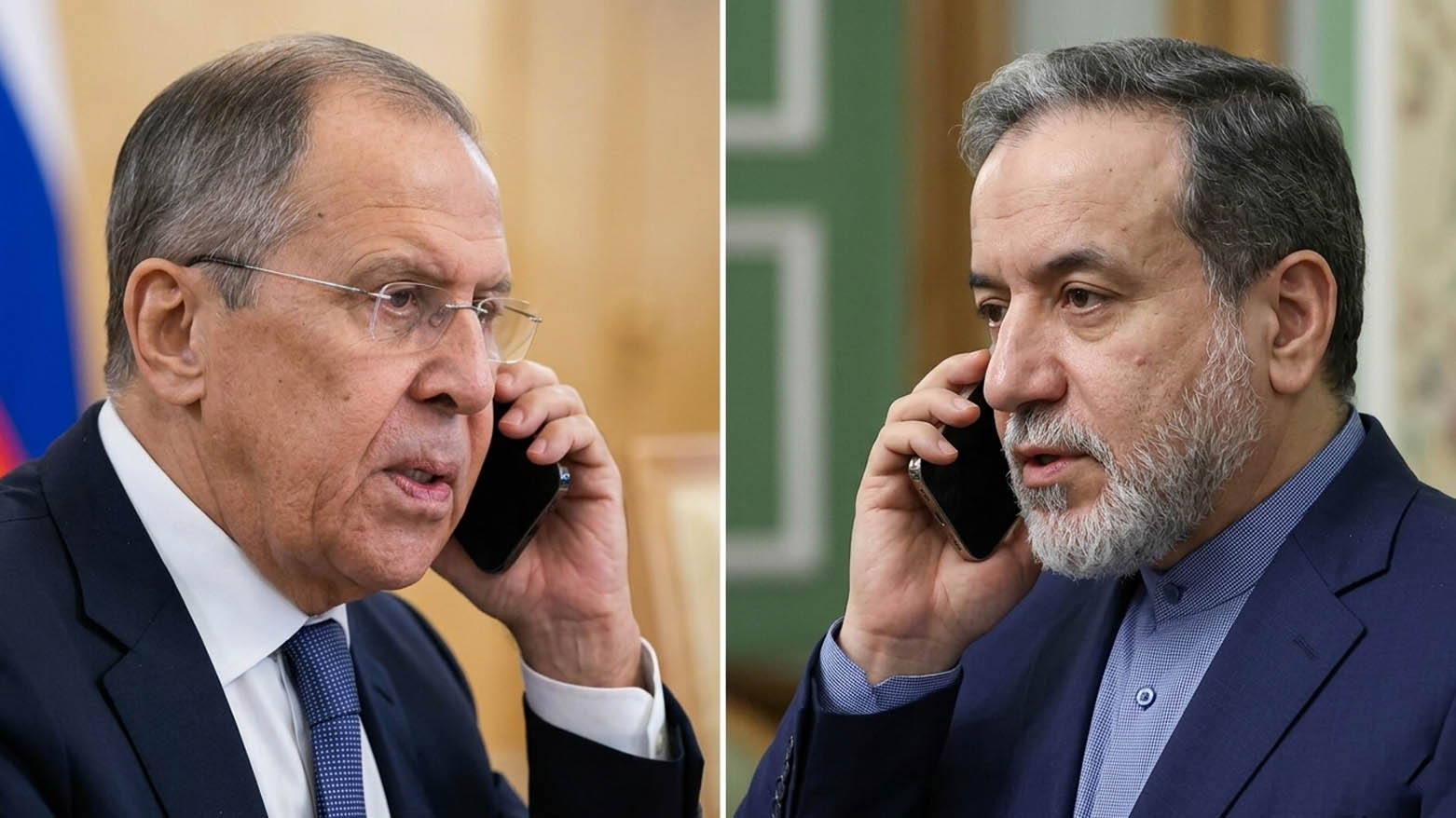
ERBIL (Kurdistan24) - A tense diplomatic push unfolds alongside escalating threats, as Iran signals mediation efforts to halt the war while simultaneously warning of widening retaliation across the region.
On Friday, Iranian Foreign Minister Abbas Araghchi held a phone call with Russian Foreign Minister Sergey Lavrov, discussing the latest regional developments and the consequences of continued attacks on Iranian territory.
According to a statement from Iran’s Foreign Ministry, Araghchi said that several neighboring and friendly countries are engaged in “serious and sincere” mediation efforts aimed at ending the war. However, he stressed that the Islamic Republic’s fundamental positions regarding the protection of its national rights and interests remain unchanged, underscoring Tehran’s determination to defend its sovereignty.
Addressing maritime security, Araghchi stated: “The instability in the Strait of Hormuz is the result of US and Israeli military aggression.” He further warned that the strategic waterway is closed to vessels belonging to the United States, Israel, and any parties involved in military strikes against Iran.
In a separate statement, Araghchi escalated rhetoric toward Israel, accusing it of targeting civilian infrastructure. He said that Israeli strikes on steel factories, power generation facilities, civilian nuclear sites, and other infrastructure were “contrary to the diplomatic opportunity extended by Trump.”
He added: “These attacks are also contrary to the extension of that diplomatic opportunity.” In a direct warning, Araghchi declared: “Iran will exact a heavy price from Israel for these crimes.”
Meanwhile, Iran’s Revolutionary Guard threatened to strike six major industrial facilities in Israel and five Gulf countries. In an official statement, the group published the names and locations of the targets, describing them as “new targets for retaliatory strikes.”
The listed targets include steel industry complexes across the region: Hadeed in Jubail, Saudi Arabia; Emirates Steel Arkan in Abu Dhabi, UAE; Qatar Steel in Mesaieed, Qatar; Foulath – SULB & GIC in Al-Hidd, Bahrain; United Steel Industrial Co. – KWT Steel in Shuaiba, Kuwait; and Yehuda Steel in Ashdod, Israel.
The Revolutionary Guard stated that these targets were selected based on precise field intelligence and a comprehensive assessment of the industrial capabilities of US allies involved in attacks against Iran. It also called on civilians in Gulf countries to stay away from US military bases and facilities.
These threats come as Iran’s Tasnim News Agency reported that US and Israeli warplanes carried out two separate airstrikes targeting major steel industry companies in Khuzestan and Isfahan provinces, describing them as among the largest industrial facilities in the country.
As mediation efforts intensify behind the scenes, Iran’s parallel warnings of retaliation and strategic closure signal a conflict poised between fragile diplomacy and dangerous escalation.