Iran Allows Pakistani Ships Through Hormuz as Houthi Strikes Intensify
Iran allows 20 Pakistani ships through Hormuz, signaling limited de-escalation, as Houthi forces launch a second missile and drone attack on Israel within 24 hours.
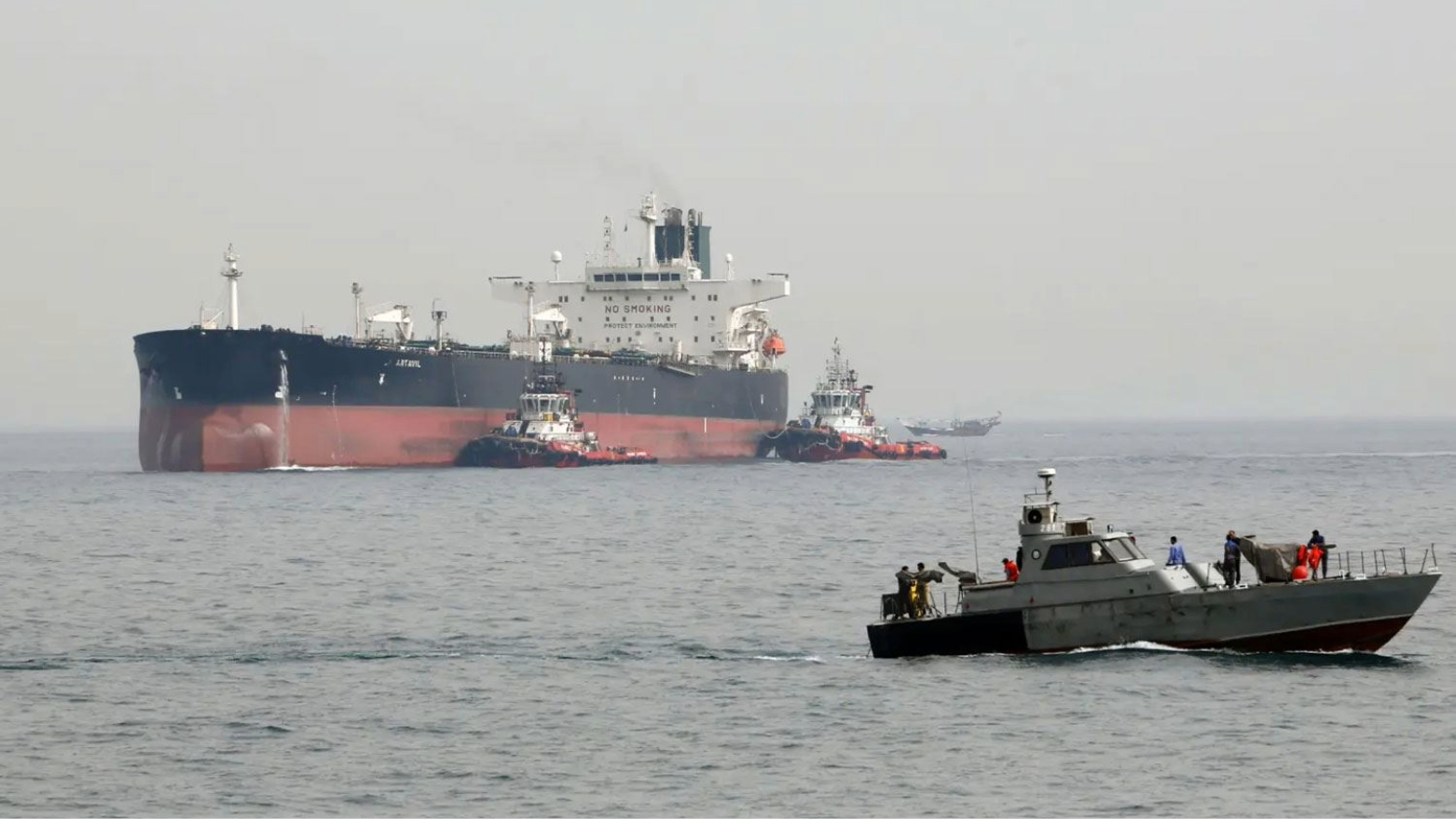
ERBIL (Kurdistan24) - A narrow corridor opened amid rising tensions as Iran permitted a controlled passage through the Strait of Hormuz, even as fresh missile fire from Yemen underscored the widening scope of confrontation across the region.
On Saturday, Ishaq Dar announced in a message on his official X account that Iran had agreed to allow 20 additional Pakistani-flagged ships to transit the strategic Strait of Hormuz. According to the statement, two vessels will pass daily through the international waterway.
Ishaq Dar welcomed the decision, describing it as “a commendable step and a constructive sign from Iran.” He added: “This decision is seen as a message of peace and will be a major contributor to strengthening stability in the region.”
He further stressed that the move represents “a meaningful step forward toward peace,” emphasizing that dialogue, diplomacy, and confidence-building measures remain the only viable path to resolving disputes and advancing stability.
In a parallel escalation, a military spokesperson for Yemen’s Houthi group confirmed that their forces carried out a second missile and drone attack on Israel within less than 24 hours. The announcement, reported by Reuters on Saturday, stated that the operation marks the second such strike in a single day.
The spokesperson affirmed that the attacks were conducted using missiles and unmanned aerial vehicles, pledging that operations would intensify in the coming days.
The Houthis’ direct involvement in the ongoing confrontation between the United States, Israel, and Iran further complicates the regional security landscape. The group has demonstrated the capability to strike distant targets inside Israel and, as previously seen following the events of October 7, 2023, disrupt maritime navigation in the Red Sea and surrounding areas of the Arabian Peninsula.
Military analysts indicate that the activation of the Yemen front places significant pressure on US and Israeli air defense systems, particularly as Washington continues to examine diplomatic proposals aimed at halting the war. The strikes are viewed as an attempt to impose leverage in potential negotiations.
As limited maritime openings emerge, simultaneous escalations on multiple fronts reveal a region balancing between fragile de-escalation signals and intensifying military pressure.