Knesset Approves Israel's Largest-Ever Budget for 2026, With Record Defense Spending
Israel’s Knesset approved a record NIS 850.6B ($271B) 2026 budget early Monday, boosting defense amid the Iran conflict and increasing Haredi and settlement funding. Voting occurred in a fortified room as missile alerts interrupted proceedings.
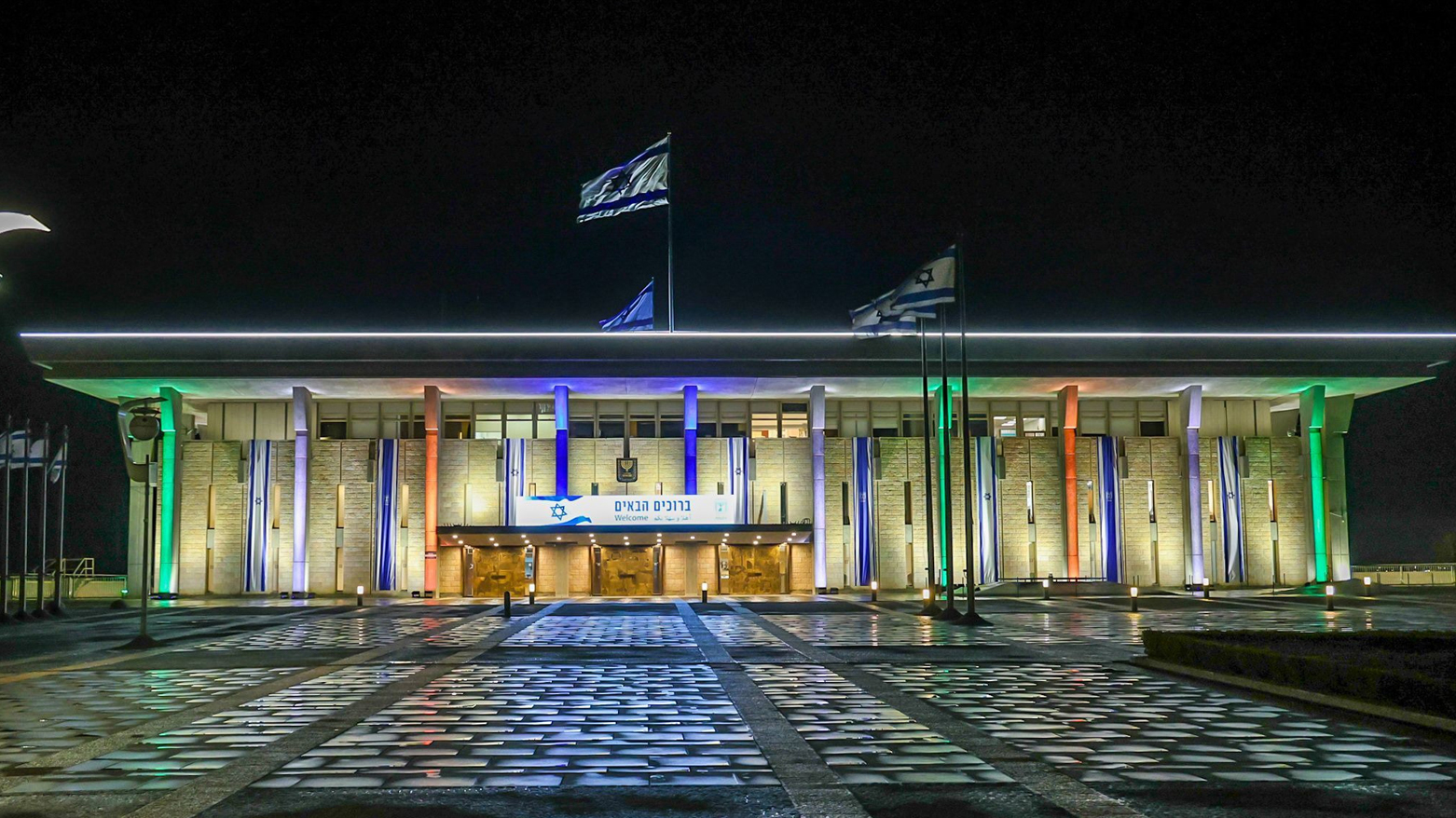
ERBIL (Kurdistan24) - Israel's Knesset early Monday approved the largest state budget in the country's history, a NIS 850.6 billion ($271 billion) spending plan for the 2026 fiscal year that significantly increases defense expenditures amid the ongoing war with Iran and directs additional funds to priorities of the governing coalition, The Times of Israel reported.
Lawmakers voted 62-55 in favor of the measure, officials said. The passage came hours before a legally mandated deadline that would have triggered early elections had the budget failed to pass by Tuesday. Finance Minister Bezalel Smotrich, a key figure in the coalition, described the plan as one that “takes care of everyone and fights the cost of living,” according to The Times of Israel.
The vote followed more than 13 hours of filibustering by opposition parties and was interrupted repeatedly by sirens warning of ballistic missiles from Iran, as detailed by The Times of Israel. Because of the security alerts, members of parliament cast their ballots from an alternate fortified room, Knesset officials confirmed.
The budget includes a record allocation for the Defense Ministry of NIS 143 billion ($45.8 billion), plus NIS 22 billion ($7 billion) in income-dependent expenditure and NIS 82.2 billion ($26.3 billion) for long-term spending commitments, the Finance Ministry said in materials released after the vote and reported by The Times of Israel. Smotrich called the defense package the “core” of the wartime budget. “This budget enables the state to win,” he told the plenum before the final tally, as quoted by The Times of Israel.
Earlier this month the government had approved a 3 percent across-the-board cut to all ministries except Defense to help fund an additional NIS 28 billion ($9 billion) in wartime spending, according to coalition statements cited in The Times of Israel.
One set of amendments approved shortly after midnight allocated approximately NIS 800 million ($255 million) to programs and institutions favored by Haredi parties, including yeshivas, the Knesset recorded, The Times of Israel noted. In total, funding for Haredi educational institutions rose by more than NIS 1 billion, from NIS 4.1 billion ($1.3 billion) to NIS 5.17 billion ($1.65 billion), according to a tally cited in parliamentary proceedings and reported by The Times of Israel.
The ultra-Orthodox parties agreed to support the budget even though the coalition has not yet passed separate legislation they had demanded to enshrine blanket exemptions from military conscription for yeshiva students, The Times of Israel reported. Hebrew media reports noted that the additional Haredi funding appears to deliver resources previously blocked by the Attorney General due to the absence of such a conscription law, as covered by The Times of Israel. Opposition members inadvertently voted for the amendments before realizing the content, parliamentary records showed.
Smotrich spoke jubilantly before the vote. “We are passing this budget under a right-wing government that will serve out its full term and complete its mission in security, the economy, and in reforming the judicial system,” he said, according to The Times of Israel. He added that anyone voting against the budget was voting “against Israel’s security, against tax relief for working people in Israel, and against taxation of the banks,” The Times of Israel quoted him as saying.
Opposition lawmakers sharply criticized the final package, The Times of Israel reported. Yesh Atid chair Yair Lapid, the opposition leader, called the budget “the greatest theft in the history of the state,” as reported by The Times of Israel. Addressing the plenum, Lapid said: “This isn’t a budget – it’s a robbery. The Israeli public is not stupid. It understands that this budget is a bonanza for the corrupt and for draft evaders who are celebrating at our expense,” according to The Times of Israel. He vowed that the next budget would serve “those who serve, work, and pay taxes – the Israeli middle class,” The Times of Israel detailed.
Former prime minister Naftali Bennett described the plan as “the most reckless and anti-Zionist” in the state’s history, The Times of Israel reported. “We are at war, and, when cuts are necessary, the people of Israel know how to bear them. But the government is doing something entirely different: looting the public purse,” he said in a video statement covered by The Times of Israel.
Democrats party leader Yair Golan said the “worst government in Israel’s history” was passing a budget that amounted to “a working plan for dismantling the State of Israel,” The Times of Israel noted. He cited funding for ultra-Orthodox schools that “refuse to teach core curriculum subjects,” alongside cuts to higher education and allocations to West Bank settlements “in amounts exceeding those given to communities inside the Green Line,” as reported by The Times of Israel.
Avigdor Liberman, chair of the Yisrael Beytenu party, stated: “On a day when the State of Israel is at war, when our soldiers are on the front lines, and reservists are leaving behind families and livelihoods, the government chooses to pass a misleading, sectarian budget that encourages draft evasion,” according to The Times of Israel. He added: “This is a moment that shows who and what matters to this government, and who matters less,” The Times of Israel quoted him as saying.
The budget also allocates NIS 400 million ($129.5 million) to the Settlements and National Missions Ministry, parliamentary documents showed, The Times of Israel reported.
Beyond defense, the Education Ministry is slated to receive just over NIS 97 billion ($30.9 billion) for the school system plus about NIS 14.9 billion ($4.7 billion) for higher education, officials said, according to The Times of Israel. The National Insurance Institute will receive some NIS 64 billion ($20.3 billion), while the Health Ministry is allocated roughly NIS 63 billion ($20 billion), according to the Finance Ministry breakdown reported by The Times of Israel.
In addition to the main budget, lawmakers passed the 2026 Arrangements Law, which determines how funds will be disbursed, and the Deficit Reduction and Budgetary Expenditure Limitation Bill, which sets the deficit ceiling for 2026 at 4.9 percent of GDP — up from the 3.9 percent target in the first reading passed in January, The Times of Israel reported.
The coalition had maneuvered to postpone and separate several controversial pieces of legislation from the budget package to expedite its approval, as detailed by The Times of Israel. Among the items set aside were Finance Minister Smotrich’s proposed dairy reform and a planned tax on tobacco products and a 1.5 percent property tax on vacant land, The Times of Israel noted.
Coalition whip Ofir Katz said in a statement after the vote: “This is a budget with good tidings for the State of Israel and its citizens — in defense, welfare, education, health, for reservists, for residents of border communities and more. We’re stable, we’re strong and we will continue to work for the citizens of Israel until the coalition completes its term,” according to The Times of Israel.
The ultra-Orthodox United Torah Judaism and Shas parties had conditioned their support for the budget on the eventual reintroduction of the draft-exemption legislation following its approval, according to reports from Hebrew media covered by The Times of Israel.
The session underscored deep divisions within the Knesset, The Times of Israel reported. Lapid posted on X early Monday: “There’s never been anything like this in the history of the Knesset. This is a collection of lowly thieves who are disconnected from the people, who are looting the citizens of Israel while they’re in bomb shelters” due to the war with Iran, as quoted by The Times of Israel.
The budget also includes provisions for reservists, residents of border communities and other wartime needs, the Finance Ministry noted, according to The Times of Israel.
The Knesset further voted on the first reading of the 2026 budget alongside the Arrangements Law and the deficit bill in a single extended session, The Times of Israel reported.
Officials from both the coalition and opposition acknowledged the procedural challenges posed by the ongoing security situation, as reported by The Times of Israel. The fortified-room voting and repeated pauses for missile alerts marked an unusual backdrop for the annual budgetary process, The Times of Israel noted.
Smotrich had earlier characterized the overall plan as one that would “dramatically improve our geopolitical and diplomatic standing” and “dismantle and rebuild the Middle East,” statements that drew criticism from across the aisle, according to The Times of Israel.
Opposition members argued that the last-minute amendments favoring coalition priorities undermined the integrity of the budgetary process, The Times of Israel reported. They described the Haredi funding additions as unprecedented in scope and timing, as detailed by The Times of Israel.
The passage ensures the current right-wing government will continue without immediate electoral pressure, at least until the scheduled October vote, according to Knesset procedural rules cited in the debate covered by The Times of Israel.
The budget’s scale reflects the financial demands of prolonged conflict, with defense forming the single largest component, The Times of Israel reported. The Education Ministry allocation ranks second, followed by social insurance and health spending, according to the detailed ministry-by-ministry figures released by the Finance Ministry and reported by The Times of Israel.
In the final hours before the deadline, coalition leaders worked to secure the necessary votes by addressing the concerns of ultra-Orthodox partners while maintaining the broader fiscal framework, as reported by The Times of Israel.
The Knesset plenum session, originally scheduled in the main chamber, was relocated due to the security threats, underscoring the intersection of wartime conditions and routine governance, The Times of Israel noted.