Trump, Xi Agree Iran ‘Can Never Have a Nuclear Weapon’ During Beijing Summit
US and Chinese leaders stress importance of keeping Strait of Hormuz open amid global energy and regional security concerns
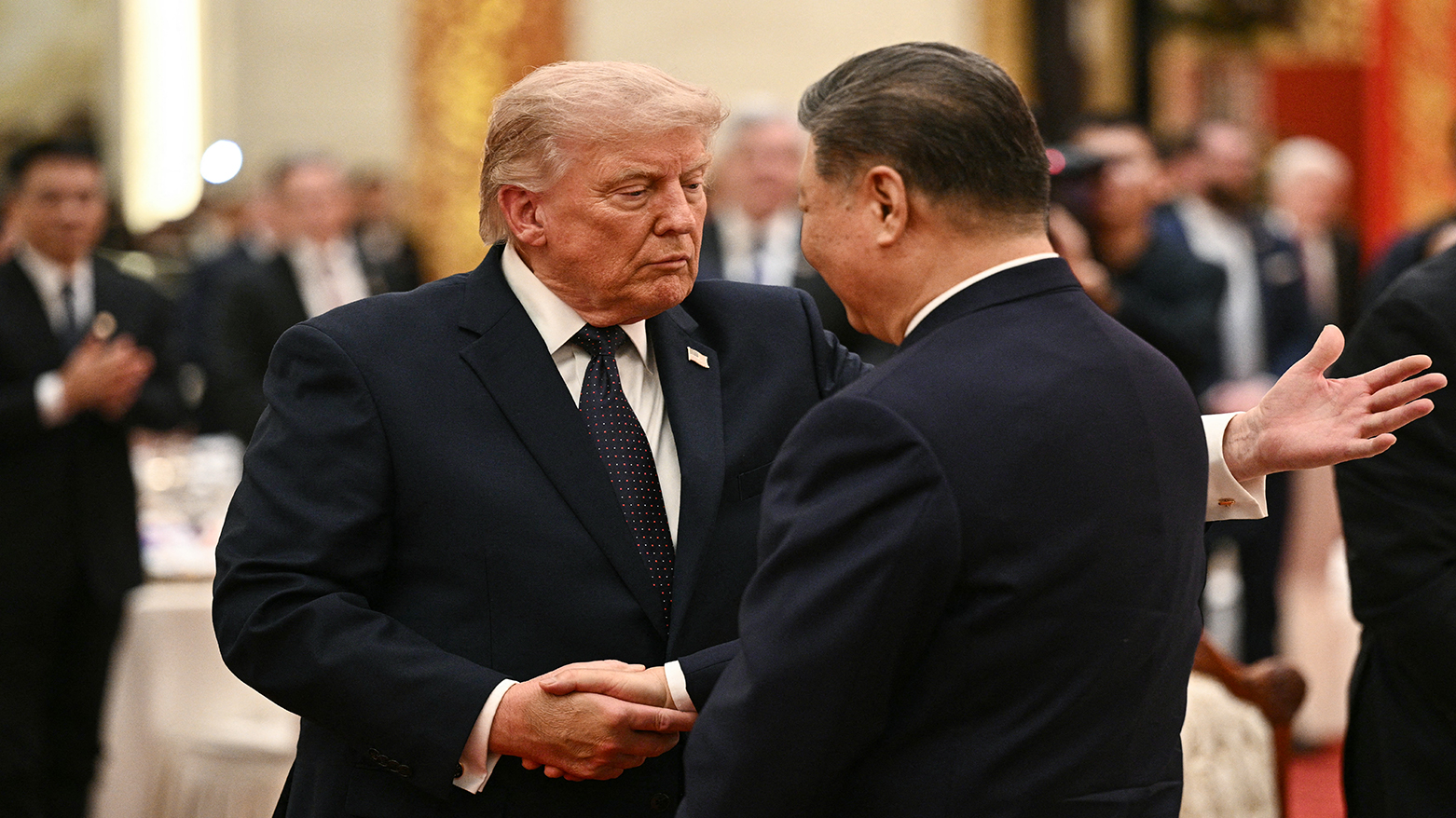
ERBIL (Kurdistan24) — US President Donald Trump and Chinese President Xi Jinping agreed during high-level talks in Beijing that Iran must never obtain a nuclear weapon and that the strategically vital Strait of Hormuz must remain open to global energy shipments, according to statements released by the White House on Thursday.
The remarks came during the first full day of a closely watched summit between the two leaders in the Chinese capital, where discussions focused on economic cooperation, regional security, energy stability, and trade relations between the world’s two largest economies.
In a statement posted by the White House on X, the two sides said they agreed that “Iran can never have a nuclear weapon,” while also emphasizing the need to preserve freedom of navigation through the Strait of Hormuz, one of the world’s most critical energy chokepoints.
“The two sides agreed that the Strait of Hormuz must remain open to support the free flow of energy,” the White House said, adding that President Xi expressed opposition to “the militarization of the Strait and any effort to charge a toll for its use.”
According to the statement, Xi also signaled interest in increasing purchases of American oil in an effort to reduce China’s dependence on energy flows through the Gulf waterway in the future.
The Strait of Hormuz has become a central focus of global concern in recent months following escalating conflict involving Iran, the United States, and Israel.
Iran has imposed severe restrictions on maritime traffic through the narrow passage since the outbreak of war earlier this year, while Washington has maintained naval pressure on Iranian ports despite an ongoing ceasefire.
Roughly one-fifth of global oil and liquefied natural gas shipments normally transit through the Strait, making any disruption a major threat to international energy markets and global trade.
The White House also said Trump and Xi discussed expanding economic cooperation, including broader market access for American businesses operating in China and increased Chinese investment in US industries.
“Leaders from many of the United States’ largest companies joined a portion of the meeting,” the White House said, highlighting the strong business dimension of the summit.
The talks additionally covered efforts to curb the flow of fentanyl precursor chemicals into the United States and increase Chinese purchases of American agricultural products, issues that have remained key priorities in bilateral negotiations between Washington and Beijing.
Later Thursday, Trump addressed a state banquet at Beijing’s Great Hall of the People, describing the discussions with Xi and the Chinese delegation as “extremely positive and productive.”
“We had extremely positive and productive conversations and meetings today with the Chinese delegation earlier,” Trump said, calling the banquet “another cherished opportunity to discuss among friends.”
During the evening event, Trump also invited Xi to visit the White House in September, according to another White House statement released on social media.
The summit marks another attempt by Washington and Beijing to stabilize ties after years of tensions over trade, technology, Taiwan, and geopolitical competition, while also reflecting growing international concern over instability in the Middle East and its impact on global energy security.