Trump Tells Aides He May End Iran Campaign Despite Strait of Hormuz Closure: The Wall Street Journal
The report said Trump has told aides that reopening the key maritime chokepoint could extend the conflict beyond his preferred timeline of four to six weeks.
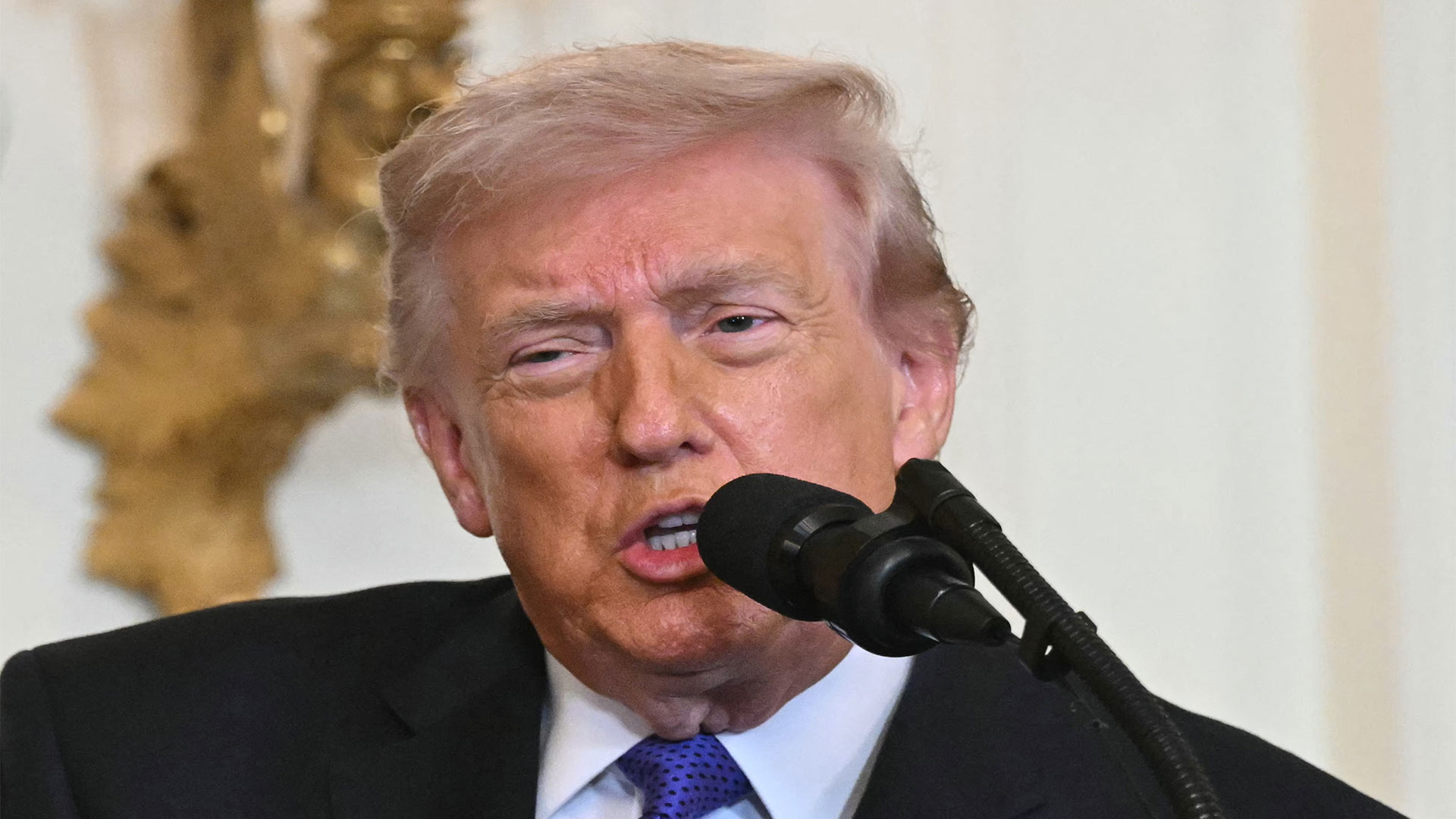
ERBIL (Kurdistan24) – The Wall Street Journal reported on Tuesday that U.S. President Donald Trump is prepared to wind down the U.S. military campaign against Iran even if the strategically vital Strait of Hormuz remains largely closed, according to administration officials.
The report said Trump has told aides that reopening the key maritime chokepoint could extend the conflict beyond his preferred timeline of four to six weeks. Instead, he is said to favor achieving core military objectives—weakening Iran’s naval capabilities and reducing its missile stockpiles—before scaling back hostilities and shifting toward diplomatic pressure.
Officials indicated that Washington would push Tehran to restore the free flow of trade through negotiations. Should diplomatic efforts fail, the U.S. may encourage its European and Gulf allies to take the lead in reopening the strait. While military options remain under consideration, they are not currently a top priority, the report added.
Trump’s stance reflects a broader pattern of mixed messaging on the issue. In recent weeks, he has alternated between threatening strikes on Iran’s civilian energy infrastructure if the strait is not reopened and downplaying the waterway’s importance to the United States, suggesting its closure is primarily a concern for other nations.
The continued disruption in the Strait of Hormuz—one of the world’s most critical energy transit routes—has already begun to impact global markets. A prolonged closure risks further destabilizing energy supplies, driving up fuel prices, and causing shortages in key industries reliant on materials such as fertilizer and helium.
Analysts warn that without a swift resolution, Iran could maintain leverage over global trade routes, forcing the U.S. and its partners to either negotiate a settlement or consider more forceful measures.
Meanwhile, U.S. military deployments to the region continue. According to the report, the USS Tripoli and the 31st Marine Expeditionary Unit have recently entered the region. Trump has also ordered elements of the 82nd Airborne Division to deploy and is reportedly considering sending up to 10,000 additional troops.
Despite these moves, Trump has described the conflict in unusually casual terms, referring to it as “an excursion” and “a lovely stay,” even as he weighs more complex operations, including a potential mission targeting Iran’s uranium assets, the report noted.