Germany, Syria Target Return of 80% of Syrian Refugees Within Three Years
Nearly one million Syrians sought refuge in Germany at the height of the conflict, many of whom have since integrated into the workforce and society.
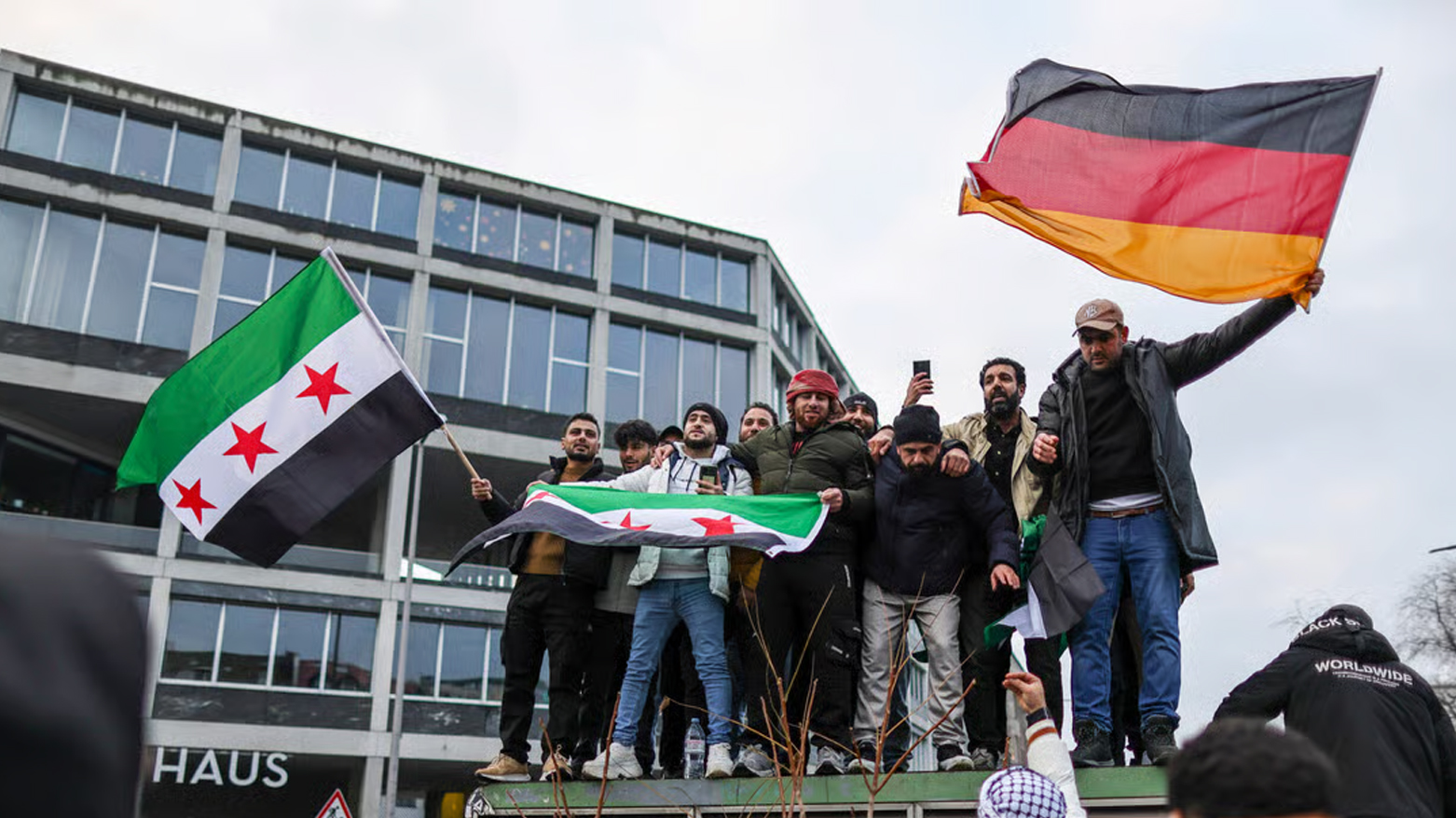
ERBIL (Kurdistan24) — Friedrich Merz, the Chancellor of Germany, has announced that Germany and Syria are working toward an ambitious goal of returning up to 80 percent of Syrians currently residing in Germany to their home country within the next three years.
The statement came following a high-level meeting in Berlin with Syrian President Ahmed al-Sharaa, where both leaders expressed optimism that improved conditions in Syria could pave the way for a large-scale return of refugees.
Merz described the figure as a shared expectation between Berlin and Damascus, emphasizing that the situation in Syria has “changed fundamentally” more than a year after the end of the civil war. He said this shift requires Germany to reassess the protection status granted to Syrian refugees during the conflict.
“Looking ahead over the next three years – as President Sharaa has expressed his hope – around 80 percent of Syrians currently residing in Germany are expected to return to their home country,” Merz said.
The proposed scale of returns would mark a significant turning point in Europe’s handling of one of the largest refugee populations created by the Syrian war. Nearly one million Syrians sought refuge in Germany at the height of the conflict, many of whom have since integrated into the workforce and society.
Despite the ambitious target, Merz did not outline a concrete mechanism for achieving such returns. He indicated that the process would likely begin with individuals who no longer have valid residence permits, particularly those convicted of crimes, before expanding more broadly.
At the same time, Merz acknowledged that the return would not be universal. He stressed that Germany has an interest in allowing certain groups to remain, particularly skilled workers such as doctors and caregivers, who play an important role in the country’s labor market.
President Sharaa welcomed the initiative and highlighted the potential role of returning Syrians in rebuilding their country after years of war. He also pointed to ongoing discussions with Germany on establishing a “circular migration” framework, which would allow Syrians to move between the two countries without permanently giving up the lives they have built in Germany.
However, the proposal raises complex questions about its feasibility. While German officials point to improved conditions in Syria, critics argue that infrastructure challenges and lingering security concerns could complicate large-scale returns, particularly within the proposed three-year timeframe.
The plan underscores a broader policy shift in Germany, where the government is increasingly linking post-war developments in Syria to its domestic migration strategy, even as debates continue over how many refugees are willing—or able—to return.